Coros CEO explains why AI voice is the future of sports watches
Coros is using microphones paired with AI to create a two-way conversation between watch, athlete, and coaching intelligence
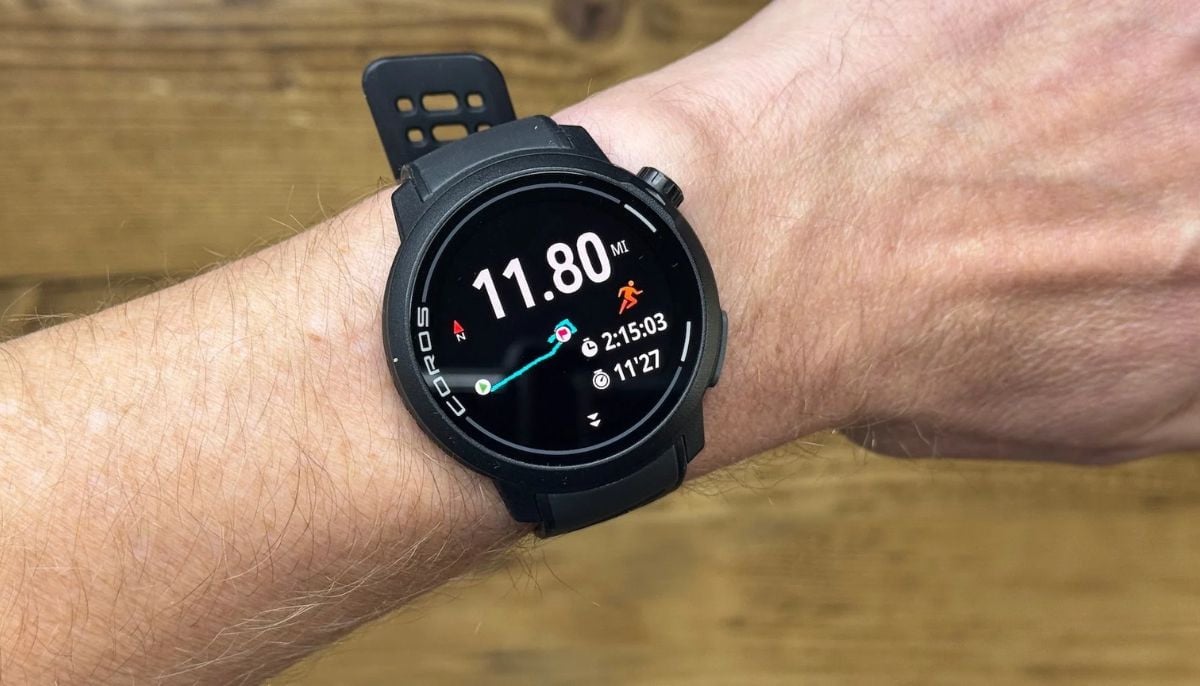
Coros is positioning voice and artificial intelligence as the missing link in sports watch design, moving beyond basic metrics like pace and heart rate to capture how athletes actually feel during training.
The company is using microphones paired with AI to create a two-way conversation between watch, athlete, and coaching intelligence.
CEO Lewis Wu articulates the vision plainly stating, "When the era of AI comes in, a lot of the interaction between the watch or the app and consumers will change. Voice is the easiest way for the system or app to understand you."
The company launched voice pins on the Nomad outdoor watch earlier this year, allowing athletes to record subjective notes during runs, leg soreness, ankle issues, and fatigue levels and map those observations to specific GPS coordinates. The feature has since rolled out to the Pace 4 and Apex 4 models.
Traditional metrics miss crucial coaching information. A runner clocking the same pace and heart rate on two different days may feel entirely different, one leg tired, the other fresh. AI analysing voice notes alongside performance data can detect patterns invisible to numeric dashboards alone.
Wu emphasises, "If I feel tired, my legs are sore, or my ankle has an issue, these are all things that a coach wants to know, and now AI will know this."
Coros argues most companies pursue the wrong wellness equation: do sports to become healthy. Instead, Coros flips the logic: stay healthy so you can do sports injury-free.


-
 Google Cloud introduces Gemini agent for work
 -
 Amazon launches premium Alexa tablets to challenge iPad: What to know
 -
 Italy, EU launch probe into Microsoft-owned gaming companies
 -
 Andrew Garfield says playing Sam Altman left him scared of AI
 -
 TikTok strengthens AI transparency & safety efforts to help navigate AI-generated content
 -
 ASOS data breach: What hackers accessed from customer accounts revealed
 -
 Nestlé CEO says AI skills go far beyond writing good prompts
 -
 WhatsApp Status double speed is finally coming to Android