New aging brain study finds single protein behind cognitive decline and possible reversal
The study also found that FTL1 disrupts energy production in brain cells, weakening the connections between neurons over time
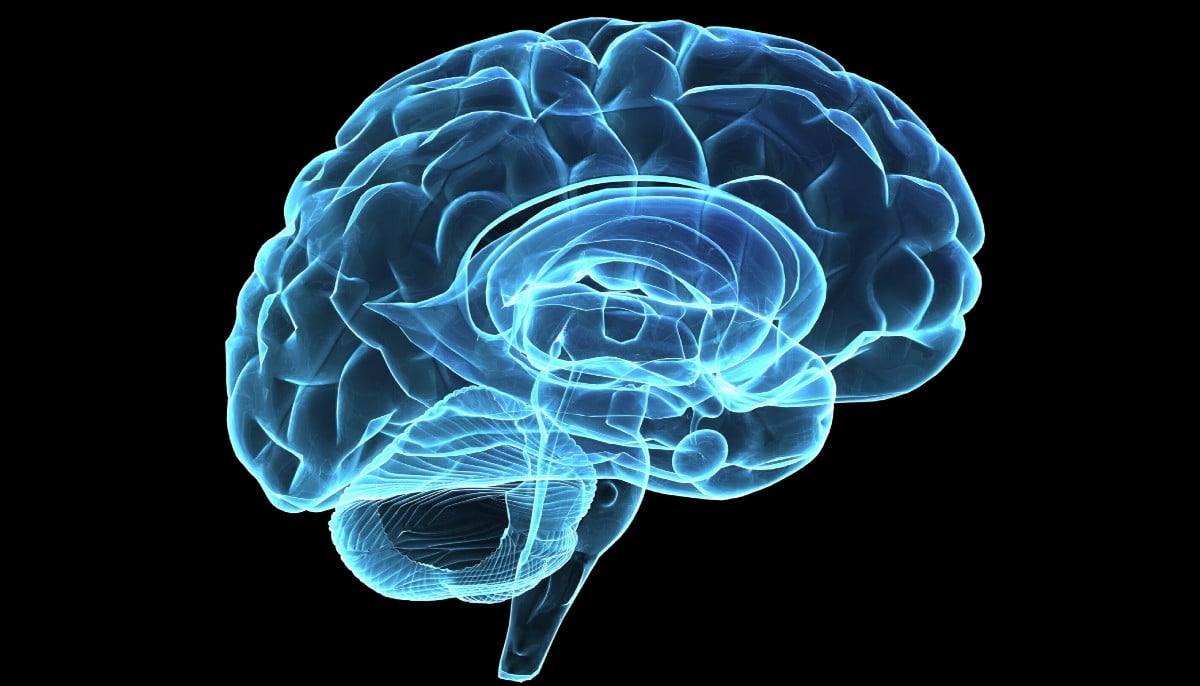
A new study on the aging brain has identified a single protein that may drive cognitive decline and suggests the damage could be reversible.
Researchers at the University of California, San Francisco studied activity in the hippocampus, the part of the brian responsible for learning and memory.
They found that older mice had significantly higher levels of a protein known as FTL1 compared with younger mice.
To test its impact, scientists increased FTL1 levels in young mice. Their brains began to show signs of ageing, with neurons losing their ability to form complex networks and communicate effectively.
When researchers reduced the protein in older mice, the results were striking as connections improved and memory performance increased.
The treated mice scored “significantly better” on memory tests, according to the study.
“It is truly a reversal of impairments,” said Saul Villeda, the study’s senior author.
“It’s much more than merely delaying or preventing symptoms.”
The study also found that FTL1 disrupts energy production in brain cells, weakening the connections between neurons over time.
“We’re seeing more opportunities to alleviate the worst consequences of old age,” Villeda said, adding: “It’s a hopeful time to be working on the biology of aging.”


-
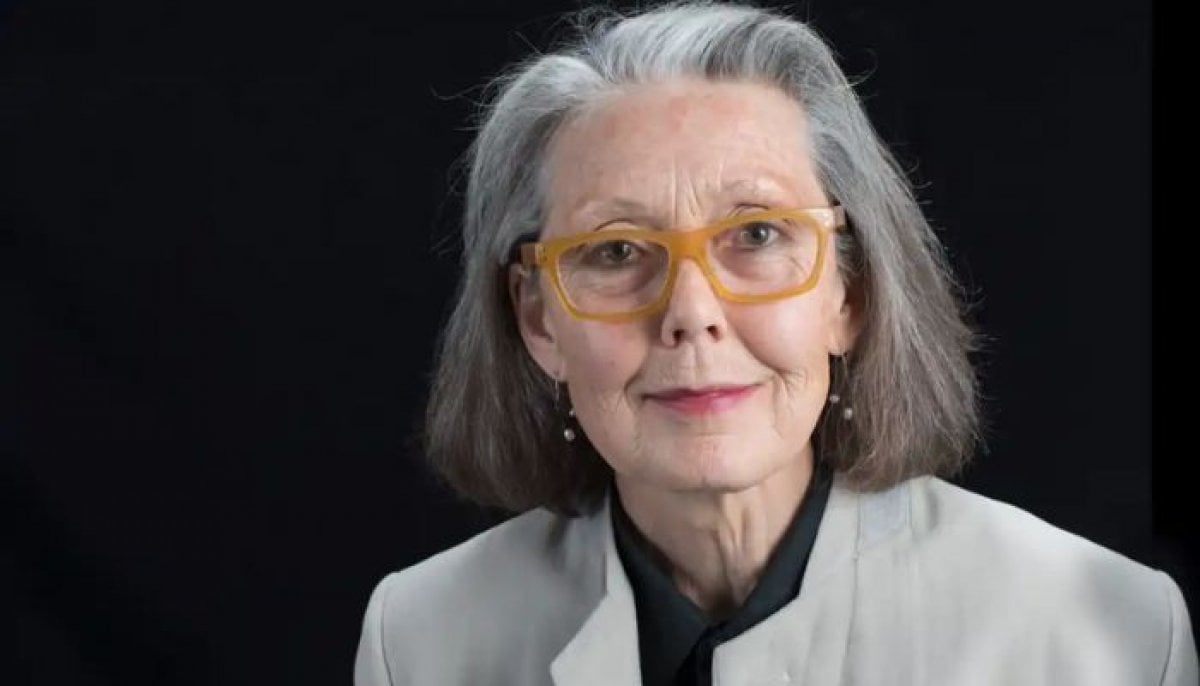 Anne Carson wins Nobel Prize in Literature for ‘bold, inventive’ writing
 -
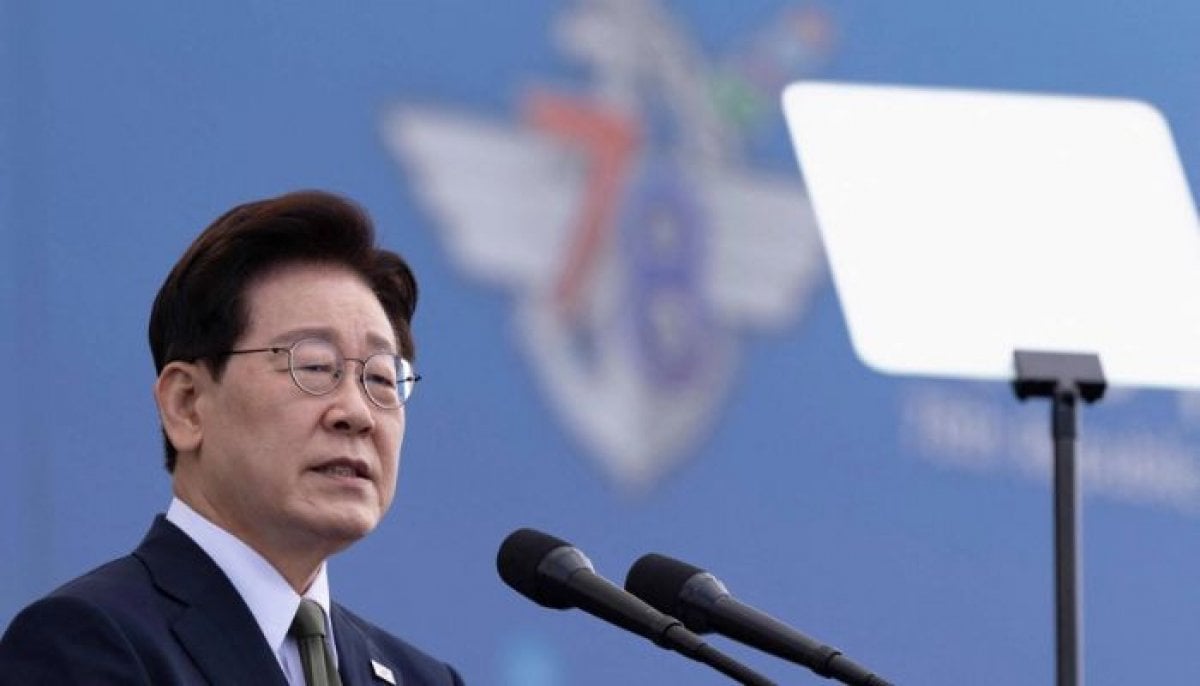 South Korea recalls Ukraine ambassador over North Korean POW dispute
 -
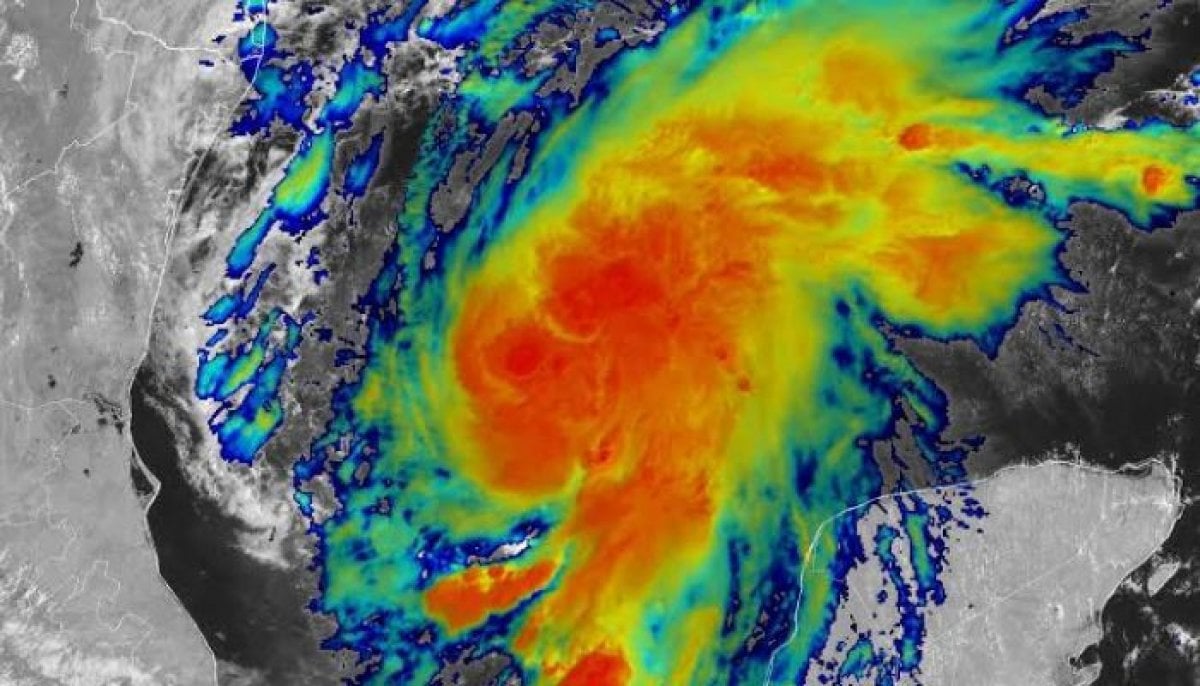 Hurricane Isaias strengthens on path: Which US Gulf Coast states are at risk?
 -
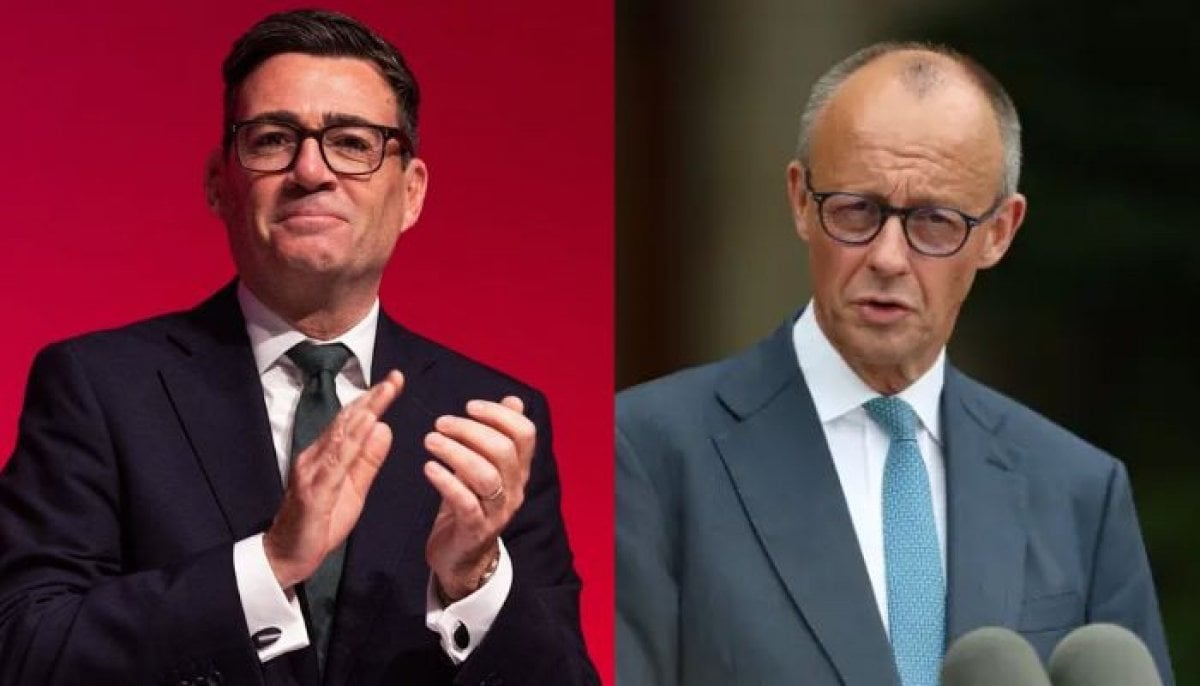 UK, Germany unite against Russia’s ‘shadow war’ as spy chief warns of ‘violent conflict’
 -
 US, Russia explore gas sales to Europe via Nord stream pipelines amid Ukraine conflict
 -
 When will Trump, Putin speak? Kremlin responds to ‘very soon’ call claim
 -
 Baltimore Ravens acquire Cam Jurgens from Eagles for two draft picks
 -
 Trump threatens to fire his top advisers over reported work for pro-Russian government