
Industrial gases sector expands capacity
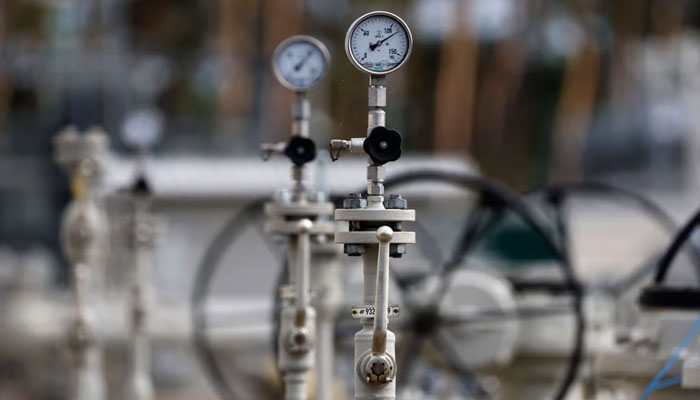
KARACHI: The industrial gases sector is undergoing significant expansion as companies invest in new plants and enhance the capacity of existing facilities. These developments aim to ensure a steady supply of gases to meet the needs of the healthcare sector, China-Pakistan Economic Corridor (CPEC) projects and the growing demands of other industries within the large-scale manufacturing (LSM) sector.
Sector data reveals that the full operational impact of new plants on revenue and market share is yet to be realised. Upcoming contracts and facility relocations are also expected to influence the sector’s financial performance.
The rising demand for specialty gases, such as argon and rare gases (neon, krypton and xenon), is being driven by advancements in research and technology industries. Meanwhile, nitrogen and carbon dioxide, commonly used in packaged foods to maintain freshness, are experiencing increased demand due to a higher consumption of canned and packaged products.
The sector has demonstrated improved margins and stronger interest coverage ratios, indicating financial resilience. However, an increase in working capital days raises concerns about cash flow management, underscoring the importance of optimal working capital practices.
In FY24, the sector’s actual production capacity stood at 119.3 million units, a 1.6 per cent decline from 121.3 million units in FY23. Pakistan Oxygen contributed 51.8 per cent of the total production, while Ghani Chemicals accounted for 48.2 per cent. The marginal decline in production was attributed to slower demand and subdued performance across the overall LSM sector.
Despite these challenges, the expansion plans of key players are expected to boost production capacity. This growth will likely enhance the availability of medical gases for hospitals and support CPEC-related development projects as the economy recovers, driving future demand.
The sector is on the brink of significant milestones, including the commissioning of the fifth Air Separation Unit (ASU) plant and an import-substitute chemical project by a major player in the Hattar Special Economic Zone. These projects are in their final phases and are expected to commence operations soon.
Domestic production continues to dominate the supply of industrial gases, with imports accounting for less than 1.0 per cent of total supply despite a gradual increase in import volumes over the years.
The sector’s performance indicators remained robust in FY24 and are expected to strengthen further with economic stabilization and consolidation.
However, challenges such as slower-than-expected growth in the LSM sector, higher energy costs, and increasing working capital days could temper the sector’s anticipated growth trajectory.


