
Work culture in Pakistan
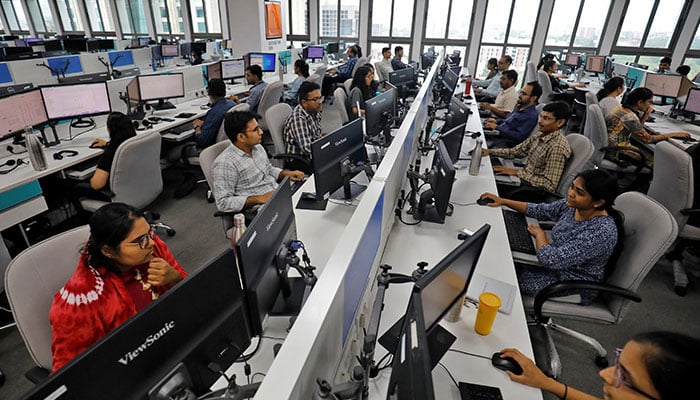
LAHORE: The minimum wage system in Pakistan, coupled with loyal workforces in family-owned businesses and hierarchical structures, discourages open communication and denies workers fair compensation. This has led to a demotivated workforce and low productivity.
Gender inequality and a lack of professional training further hinder productivity. The prevalence of informality across many sectors results in inconsistent workplace policies. High employee turnover is a recurring issue, driven by dissatisfaction with pay, lack of growth opportunities or better prospects abroad.
Motivating workers requires a mix of financial and non-financial incentives. Employers must publicly acknowledge employees’ achievements and contributions while providing clear career growth opportunities through training and promotions. Workers thrive in collaborative and supportive cultures where they can take ownership of their work. Flexible working hours and mental health support are equally crucial. Including employees in decision-making processes and valuing their input can significantly boost morale and motivation.
In a positive work environment, job satisfaction often takes precedence over salary as it directly impacts well-being and engagement. However, salary remains vital for meeting basic needs. Ideally, fair compensation should align with meaningful work and a supportive atmosphere. Satisfied employees value stability and positive relationships with colleagues and supervisors, prioritising job satisfaction over marginal pay increases. Conversely, dissatisfaction with pay, career growth or work-life balance often makes employees more receptive to external offers.
Discrimination -- whether based on gender, age, ethnicity, or favouritism -- is a pervasive issue in Pakistan’s workplaces. It erodes morale, fosters resentment, and reduces productivity, leading to high turnover rates and a breakdown in trust. Addressing discrimination through equitable treatment is critical for maintaining team cohesion and motivation.
Another neglected aspect of Pakistan’s work culture is empathy towards employees’ personal challenges. Managers who offer tailored support, such as flexible hours or additional resources, improve morale and build trust. However, this must be done carefully, respecting privacy and boundaries.
Merit-based preferential treatment encourages accountability and excellence. It rewards hard work and professionalism while motivating others to improve. Transparency in evaluation criteria is essential to prevent perceptions of favouritism.
High turnover often signals underlying issues, such as poor management, low job satisfaction, uncompetitive compensation, limited growth opportunities, or a toxic workplace culture. Addressing these problems is vital for talent retention and enhancing a company’s reputation.
India’s dynamic work culture benefits from a booming tech and service industry, with a strong focus on innovation, meritocracy and professional development. Substantial investments in training and employee engagement have enhanced productivity. However, high stress levels, long working hours and burnout remain significant challenges.
In Bangladesh, rapid industrial growth, particularly in textiles, has fostered a disciplined and hardworking workforce. Collective worker movements have improved working conditions in some sectors. Yet, inadequate focus on worker well-being and limited career advancement opportunities are weaknesses.
Sri Lanka’s work culture emphasises inclusivity and gender equality in many industries. Stable employment in strong export sectors, such as tea and textiles, contributes to relatively low turnover. Employees value job security and loyalty in the smaller economy, fostering a strong sense of workplace commitment.
By addressing these challenges and leveraging lessons from regional counterparts, Pakistan has the potential to transform its work culture into one that fosters productivity, loyalty and innovation.







-
 Britney Spears 'swears To Clear The Slate' As Fears Grow After DUI Arrest
 -
 Creators Push ‘human-made’ Labels As AI Content Floods Internet
 -
 Matthew Morrison Reveals Why He Embraced His Most Iconic 'Glee' Covers
 -
 King Charles Leaves Prince Harry 'devastated' With Major Snub After Duke's Olive Branch
 -
 Anna Faris Unveils 'life-changing' Roles As She Prepares To Play Cindy In 'Scary Movie 6'
 -
 AI With Human Traits May Be Safer, Anthropic Study Finds
 -
 Chocolate Prices Climb Across Europe Before Easter
 -
 'Spice Girls' Mel B Breaks Silence On Reunion Tour Rumours: 'A Shock To Me'
 -
 Zara Larsson Schools Critics In Support For Chappell Roan
 -
 Meghan Markle Receives 'Princess' Title After Latest Move
 -
 Ozzy Osbourne's Daughter Kelly Drops Ice-cold Message For Ex-fiancé Slipknot DJ Sid Wilson
 -
 New Covid Variant BA.3.2 Spreads Across US As Experts Stress Vigilance
 -
 Meghan Markle Makes Big Blunder: Here's Why She 'alienated Everyone'
 -
 Pavel Durov: Russia’s Anti-VPN Measures Triggered Payment Failure
 -
 Blake Lively's Statement Sparks Response From Piers Morgan After Her Legal Setback
 -
 50 Cent Shocks Fans With Forgiveness Prayer