
Govt seeks Nepra nod for Bijli Sahulat Package
Package proposes discounted tariff of Rs26.07 for electricity consumption exceeding benchmark levels
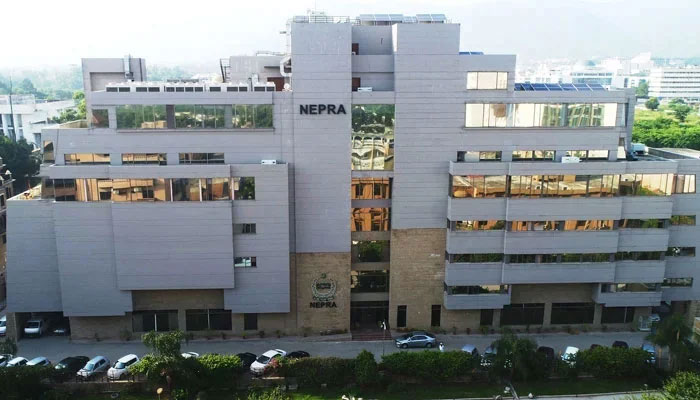
ISLAMABAD: The federal government has petitioned the National Electric Power Regulatory Authority (Nepra) for approval of its “Bijli Sahulat Package,” a relief initiative aimed at lowering power tariffs for industrial, commercial, and eligible domestic consumers during the winter months of December 2024 through February 2025.
Nepra has scheduled a public hearing for November 26, 2024, to review the proposed plan, officially named the Winter Demand Initiative. The Economic Coordination Committee (ECC) greenlit the package on November 19, following an announcement by Prime Minister Shehbaz Sharif on November 8. The initiative seeks to address low seasonal electricity demand while easing financial pressures on consumers.
The package proposes a discounted tariff of Rs26.07 per kilowatt-hour for incremental electricity consumption exceeding benchmark levels.
Domestic consumers are expected to save up to Rs26 per unit on additional usage, while commercial and industrial users could receive reductions of Rs22.7 and Rs15.05 per unit, respectively.
The package is also expected to bring considerable economic benefits. Domestic consumers may see electricity costs drop by 30-50 per cent for incremental usage, while commercial establishments could experience savings of 34-47 per cent. Industrial users stand to benefit from an estimated 18-37 per cent reduction in incremental electricity costs, bolstering productivity during the winter season.
The relief will only apply to incremental consumption up to 25 per cent above the benchmark, with any usage beyond that threshold billed at standard rates. This approach is designed to encourage higher electricity consumption during the winter while remaining subsidy-neutral and avoiding any additional financial strain on government resources.
Electricity demand in Pakistan drops sharply during the winter, falling from summer peaks of approximately 25,000 megawatts to as low as 8,000 megawatts. This decline significantly increases capacity payments — fixed charges paid to power producers regardless of utilization — resulting in higher costs for consumers. Meanwhile, winter gas demand often exceeds 6.5 billion cubic feet per day, forcing the government to implement load-shedding or import expensive liquefied natural gas (LNG) to bridge the gap. The Bijli Sahulat Package aims to mitigate these challenges by promoting electricity usage during low-demand months, reducing reliance on gas, and saving foreign exchange spent on LNG imports. The initiative also seeks to stabilize the energy sector by spreading electricity demand more evenly across the year, thereby lowering capacity payments and incentivizing industrial activity.


