
Winter package not to produce required results: APTMA
If government wants meaningful results it should reduce electricity rates under the winter package
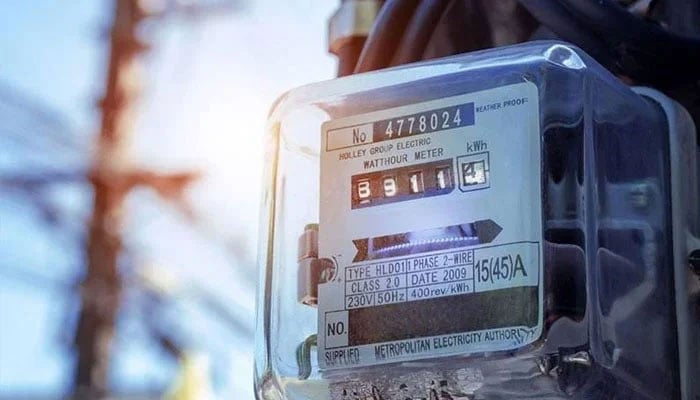
ISLAMABAD: The Winter Incentive Package (WIP) at Rs26.07 per unit on 25 per cent incremental use of electricity that the government has extended for three months of December, January and February will not yield the required results of increasing industrial activities and handling the monster of idle capacity for electricity generation.
If the government wants meaningful results, it should reduce electricity rates under the winter package to Rs 20 per unit from the proposed Rs 26.07 per unit. The government also needs to do away with the 25 per cent cap on incremental consumption of electricity to enable the package to achieve its envisaged goals and provide genuine relief to the industry.
This has been stated in a letter written on Monday (November 18) by the All Pakistan Textile Mills Association (Aptma) to Federal Minister for Power Awais Ahmed Khan Leghari. “While the Winter Incentive Package extended by the government for domestic, commercial and industrial consumers, applicable during December, January and February, is highly appreciable, the procedural framework and anticipated impact on industrial consumers raise significant concerns for the industry,” says the letter.
The Aptma drew the attention of the minister towards the proposed procedure made to enforce the Winter Incentive Package, saying that it was exceedingly complex and difficult for industrial consumers to comprehend and implement. The estimated savings for the industry under the package amount to only 5-6 per cent which is inadequate for meaningful rejuvenation, particularly when savings are capped at 25 per cent of incremental consummation over base units. Any additional consumption beyond this limit is to be charged at the existing Nepra tariff, effectively nullifying the intended relief and falling short of the government of Pakistan’s state objectives. More importantly, the textile industry has argued, the structure does not incentivize a substantial shift from other, more stable sources to grid electricity. Given the industry’s reliance on un-interrupted power supply and high likelihood of outages during foggy winter months, the package offers limited appeal to industrial consumers who operate 24/7. Additionally, these shortcomings may impede the government’s ability to achieve the revenue targets set under IMF guidelines and hinder any significant transition from gas-fired capacitive power generation to the national grid.







-
 Pamela Anderson, David Hasselhoff's Return To Reimagined Version Of 'Baywatch' Confirmed By Star
 -
 Willie Colón, Salsa Legend, Dies At 75
 -
 Prince Edward Praised After Andrew's Arrest: 'Scandal-free Brother'
 -
 Shawn Levy Recalls Learning Key Comedy Tactic In 'The Pink Panther'
 -
 King Charles Fears More Trouble As Monarchy Faces Growing Pressure
 -
 Inside Channing Tatum's Red Carpet Return After Shoulder Surgery
 -
 Ryan Coogler Brands 'When Harry Met Sally' His Most Favourite Rom Com While Discussing Love For Verstality
 -
 Sarah Pidgeon Explains Key To Portraying Carolyn Bessette Kennedy
 -
 Justin Bieber Rocked The World With Bold Move 15 Years Ago
 -
 Sam Levinson Wins Hearts With Huge Donation To Eric Dane GoFundMe
 -
 Kate Middleton Steps Out First Time Since Andrew Mountbatten-Windsor's Arrest
 -
 Inside Nicole 'Snooki' Polizzi's 'private' Marriage With Husband Jionni LaValle Amid Health Scare
 -
 Germany’s Ruling Coalition Backs Social Media Ban For Children Under 14
 -
 Meghan Markle Shuts Down Harry’s Hopes Of Reconnecting With ‘disgraced’ Uncle
 -
 Liza Minnelli Alleges She Was Ordered To Use Wheelchair At 2022 Academy Awards
 -
 Quinton Aaron Reveals Why He Does Not Want To Speak To Wife Margarita Ever Again