
From leader to laggard: The decline of Pakistan’s middle class
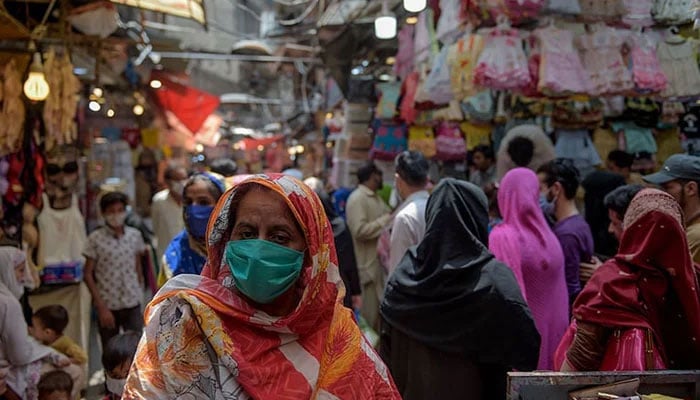
LAHORE: In 1990, Pakistan boasted the largest middle class as a percentage of its population compared to India and Bangladesh. However, 34 years later, it now has the smallest proportion of middle-class citizens among the three nations, reflecting a troubling decline in prosperity.
The middle class plays a crucial role in any country’s economy due to its significant impact on economic growth, social stability, and innovation. This demographic drives demand for goods and services, particularly non-essential items and consumer products. Their consumption supports business growth, stimulates production, and creates jobs across industries.
Today, India has the largest middle class in South Asia, with an estimated 600 million people, roughly 40 per cent of its population. Bangladesh’s middle class has grown substantially to around 35-40 million people, or 20-25 per cent of its population. In contrast, Pakistan’s middle class is estimated to be around 40-50 million people, or 15-20 per cent of its population, indicating slower growth compared to its regional peers.
Middle-class families typically invest in education, healthcare and skill development, building a more skilled workforce and driving long-term productivity and innovation. A larger middle class also expands the tax base, as these individuals are more likely to pay income, property, and consumption taxes. This increased revenue supports government initiatives in infrastructure, education and social programmes, which in turn help reduce poverty and raise living standards. When the middle class is financially stable, reliance on government aid programs decreases, freeing up resources for economic development projects. Middle-class individuals are also often more politically active, advocating for law and order, transparency, and accountability, fostering democratic governance and stability.
Middle-class entrepreneurs are more likely to start small and medium-sized enterprises (SMEs), which generate jobs, stimulate competition and drive local innovation. However, the state of SMEs in Pakistan is currently dire, undermining economic growth.


