
Breaking tax resistance
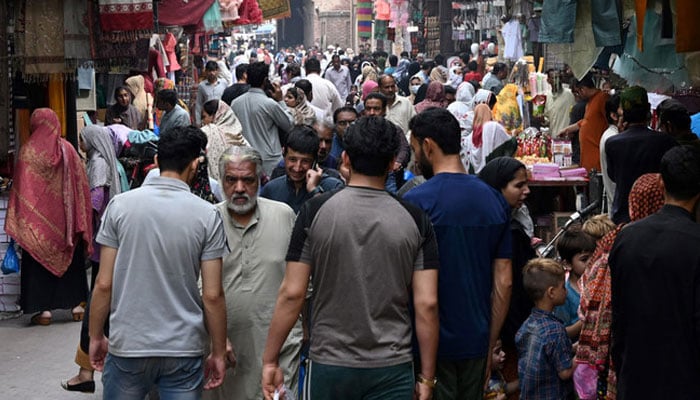
LAHORE: Navigating Pakistan’s current economic and political climate, particularly with the government’s efforts to expand the tax base, requires a delicate approach. While some sectors have reluctantly accepted new tax measures, traders have persistently resisted.
Government revenues are crucial for managing state functions, and it is commendable that the current administration remains steadfast despite operating under precarious political conditions. The challenge lies in balancing the enforcement of tax reforms with sensitivity to the concerns of both the business community and ordinary people, all while strategically manoeuvring through a volatile political environment.
For nearly four decades, traders have resisted genuine documentation. Even the International Monetary Fund (IMF) has conceded to accepting a fixed annual tax from them. However, only about 10 per cent of traders complied, reporting a fixed tax based on self-assessed annual turnover without supporting documentation.
Consequently, the collected tax was minimal, which did not meet the IMF’s expectations. The IMF preferred full documentation or, at the very least, a fixed tax reflective of traders’ visible income and lifestyle.
The Federal Board of Revenue (FBR) initially failed to conduct a thorough analysis and imposed generalized monthly taxes on each shop based on factors such as location, size, electricity bills, rent, or the market value of the property.
These varied criteria led to confusion and resistance. The FBR has now agreed to revisit this approach in consultation with traders’ representatives to establish a more reasonable monthly tax rate.
It is important to note that tax evasion among traders has often involved collusion with bureaucrats, who received bribes from shopkeepers. The bureaucrats may have intentionally set rates to provoke tensions between the government and traders, thereby stalling the tax collection process.
Historically, governments have retreated from properly taxing traders following protests. However, this time, it is the IMF imposing annual revenue targets that must be met, making it imperative that traders are included in the tax net.
Other sectors have also resisted increased taxation. The salaried class has voiced their concerns but has had higher income tax rates deducted from their salaries by employers. The dairy sector has opposed sales tax on processed dairy products for two decades, yet it now submits monthly sales tax without any significant impact on sales.
Textile exporters initially protested against requirements to file comprehensive income tax returns, arguing it would lead to mill closures. Their concerns about rationalizing power rates are valid, but their resistance to taxation appears unjustified, as they are merely required to disclose their incomes and pay taxes like other individuals.







-
 Leonardo DiCaprio's Co-star Reflects On His Viral Moment At Golden Globes
 -
 SpaceX Pivots From Mars Plans To Prioritize 2027 Moon Landing
 -
 J. Cole Brings Back Old-school CD Sales For 'The Fall-Off' Release
 -
 King Charles Still Cares About Meghan Markle
 -
 GTA 6 Built By Hand, Street By Street, Rockstar Confirms Ahead Of Launch
 -
 Funeral Home Owner Sentenced To 40 Years For Selling Corpses, Faking Ashes
 -
 Why Is Thor Portrayed Differently In Marvel Movies?
 -
 Dutch Seismologist Hints At 'surprise’ Quake In Coming Days
 -
 Australia’s Liberal-National Coalition Reunites After Brief Split Over Hate Laws
 -
 DC Director Gives Hopeful Message As Questions Raised Over 'Blue Beetle's Future
 -
 King Charles New Plans For Andrew In Norfolk Exposed
 -
 What You Need To Know About Ischemic Stroke
 -
 Shocking Reason Behind Type 2 Diabetes Revealed By Scientists
 -
 SpaceX Cleared For NASA Crew-12 Launch After Falcon 9 Review
 -
 Meghan Markle Gives Old Hollywood Vibes In New Photos At Glitzy Event
 -
 Simple 'finger Test' Unveils Lung Cancer Diagnosis