
Pakistan’s ‘zombie’ power sector straining the economy: Atif Mian
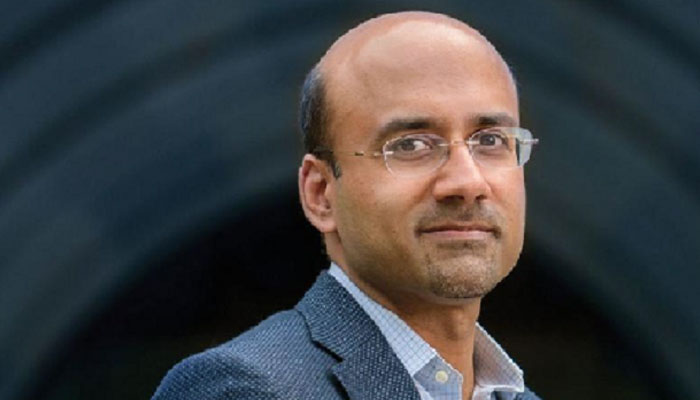
KARACHI: Renowned Pakistani-American economist Atif Mian has issued a stark warning about the dire state of Pakistan’s power sector, likening it to a ‘zombie’ industry that is draining the vitality of the country’s economy.
In his latest post on X, Mian describes ‘zombie firms’ as entities that are fundamentally insolvent but are kept afloat through external subsidies. He said, “Pakistan’s entire power sector has become a zombie sector -- and it is sucking the blood out of the rest of the economy. The proof is simple: Pakistan is selling electricity at one of the highest prices in the world, about 21 cents per kWh (with taxes), and yet the sector as a whole runs in a loss.”
“The true market price of electricity should not be more than 8-9 cents per kWh (just look at neighbouring India), but the government is charging an exorbitant price in order to keep the zombie alive.”
According to Mian, the Pakistani government’s refusal to acknowledge the sector’s bankruptcy has resulted in a broken system that has been deteriorating over the past three decades. This situation has compelled citizens to bear the brunt of exorbitant electricity costs, which in turn adversely affects other sectors of the economy.
Energy, being a crucial input for nearly every industry, means that higher electricity prices create widespread economic distortions.Mian criticizes the government’s approach, suggesting that the power sector should undergo a bankruptcy and restructuring process to realign the value of its assets with the market reality. He points out the complicating factor of sovereign guarantees given to private companies in previous years, which have prevented effective restructuring.
The economist proposes a solution based on economic principles taught in introductory courses: avoid the sunk cost fallacy by pricing electricity at a fair market rate to avoid economic distortions.
He advocates for separating the power sector into viable assets that can operate sustainably at a fair price and non-viable assets that require legal restructuring, privatization, or government intervention to manage losses.







-
 Jerome Tang Calls Out Team After Embarrassing Home Defeat
 -
 Cynthia Erivo Addresses Bizarre Rumour About Her Relationship With Ariana Grande
 -
 Prince Harry, Meghan Markle Spotted Cosying Up At NBA All-Star Game
 -
 Lady Gaga Explains How Fibromyalgia Lets Her 'connect With People Who Have It'
 -
 Metro Detroit Weather Forecast: Is The Polar Vortex Coming Back?
 -
 Daniel Radcliffe Reveals Surprising Way Fatherhood Changed Him
 -
 ‘Disgraced’ Andrew At Risk Of Breaking Point As Epstein Scandal Continues
 -
 Alan Cumming Shares Plans With 2026 Bafta Film Awards
 -
 OpenClaw Founder Peter Steinberger Hired By OpenAI As AI Agent Race Heats Up
 -
 Kate Middleton's Reaction To Harry Stepping Back From Royal Duties Laid Bare
 -
 Rose Byrne Continues Winning Streak After Golden Globe Awards Victory
 -
 Ice Hockey Olympics Update: Canada Stays Unbeaten With Dominant Win Over France
 -
 Brooklyn Beckham Makes This Promise To Nicola Peltz Amid Family Feud
 -
 Chinese New Year Explained: All You Need To Know About The Year Of The Horse
 -
 Canadian Passport Holders Can Now Travel To China Visa-free: Here's How
 -
 Maya Hawke Marries Christian Lee Hutson In New York Ceremony