Tragedies of desperation
Pakistan is no stranger to gas cylinder blasts and last Thursday brought a reminder of just how dangerous these cylinders can be
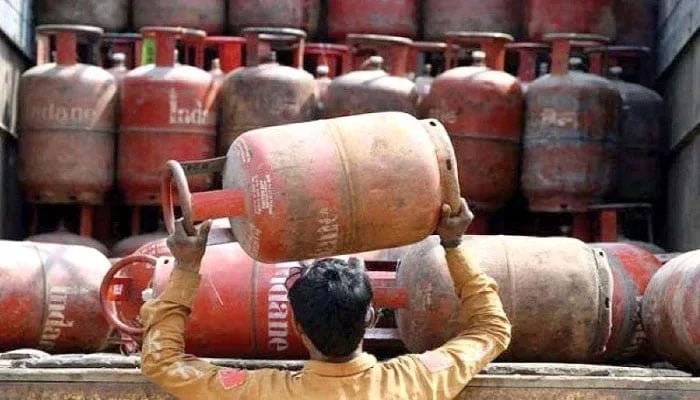
For some Pakistanis, cooking their meals appears to have become something that requires putting your life on the line. As regular piped gas becomes increasingly unaffordable and unreliable, more and more people are being forced to rely on relatively unsafe methods to fulfil their energy needs. For most, this means turning to LNG cylinders. Pakistan is no stranger to gas cylinder blasts and last Thursday (May 30) brought a reminder of just how dangerous these cylinders can be. Twin gas cylinder blasts in an LNG filling shop in the Preetabad area of Hyderabad led to more than 20 deaths and left around 49 people injured. The filling shop was reportedly located on the ground floor of a building with the owner’s family residing on one of the upper floors. The first blast reportedly occurred around 6pm and when residents rushed to the shop to put out the fire – note how ordinary people often play the role of first responders during any emergency in the country – the second blast occurred. The LNG shop went up in flames and the blast apparently caused fires in some of the adjacent shops and homes too.
Pictures taken in the aftermath of the incident show that the building was located in a densely packed area, like most neighbourhoods in the country’s urban areas, with several shops and homes located nearby. As such, the death and destruction caused by the blasts could have been a lot worse. Sadly, many people do not have the luxury to think twice about gas cylinders even after such incidents. Although the district administration sealed around 48 LPG shops on the day after the blast, the fact that thousands simply have no gas and the lengthy gas loadshedding mean that people simply went to the outskirts of the city to get their cylinders refilled. Obviously, simply shutting down cylinder shops is no permanent solution to this problem.
These cylinders themselves are a stop-gap measure to cope with the fact that the country lacks sufficient gas at prices that the majority can afford and even those who do pay their bills in full and on time are forced to cope with several hours of loadshedding. The latter are being forced to pay for the inefficiencies of the existing gas network. All this being said, LPG cylinders are likely to stick around for the immediate future. Fixing the existing gas network will take time and making gas affordable for all will take even longer. In the meantime, we can ensure as many people as possible are aware of how to handle such cylinders safely and that shops selling or filling them are not located near shops and homes.







-
 'Percy Jackson' Star Feels Relieved After Season Two Finale
 -
 Jelly Roll Reveals How Weight Loss Changed Him As A Dad: 'Whole Different Human'
 -
 Prince Harry Gets Emotional During Trial: Here's Why
 -
 Queen Camilla Supports Charity's Work On Cancer With Latest Visit
 -
 Dove Cameron Opens Up About Her Latest Gig Alongside Avan Jogia
 -
 Petition Against Blake Lively PGA Letter Gains Traction After Texts With Taylor Swift Revealed
 -
 Netflix Revises Warner Bros. Deal To $83 Billion: All-cash Offer
 -
 Prince Harry Mentions Ex-girlfriend Chelsy Davy In UK Court
 -
 David, Victoria Beckham 'quietly' Consulting Advisers After Brooklyn Remarks: 'Weighing Every Move'
 -
 Meta's New AI Team Delivered First Key Models
 -
 Prince Harry Defends Friends In London Court
 -
 AI May Replace Researchers Before Engineers Or Sales
 -
 Christina Haack Goes On Romantic Getaway: See With Whom
 -
 Consumers Spend More On AI And Utility Apps Than Mobile Games: Report
 -
 Aircraft Tragedy: Missing Tourist Helicopter Found Near Japan Volcano Crater
 -
 Taylor Swift Lands In Trouble After Blake Lively Texts Unsealed