'The Odyssey' review: Christopher Nolan finds the answer to his lifelong obsession in Odysseus' choices
In 'The Odyssey', Christopher Nolan explores the cost of winning, actions' consequences, and a fight to become worthy to return home again
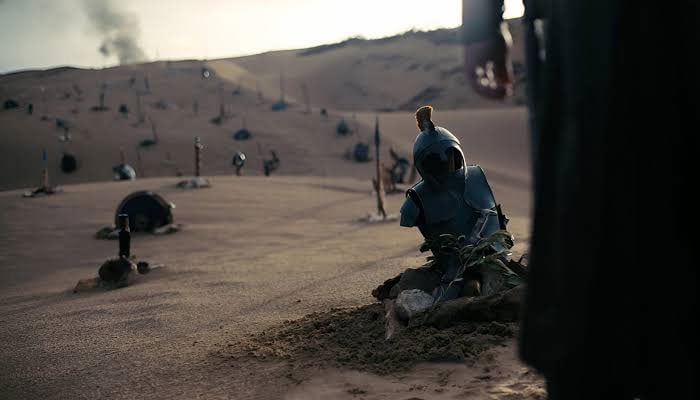
“Tell me about a complicated man."
The opening line of Emily Wilson's elegiac translation of the nearly three millennia-old Greek classic The Odyssey captures the heart of what defines Christopher Nolan's recurring fascination in his filmography: morally burdened protagonists and the monumental cost of their extraordinary choices.
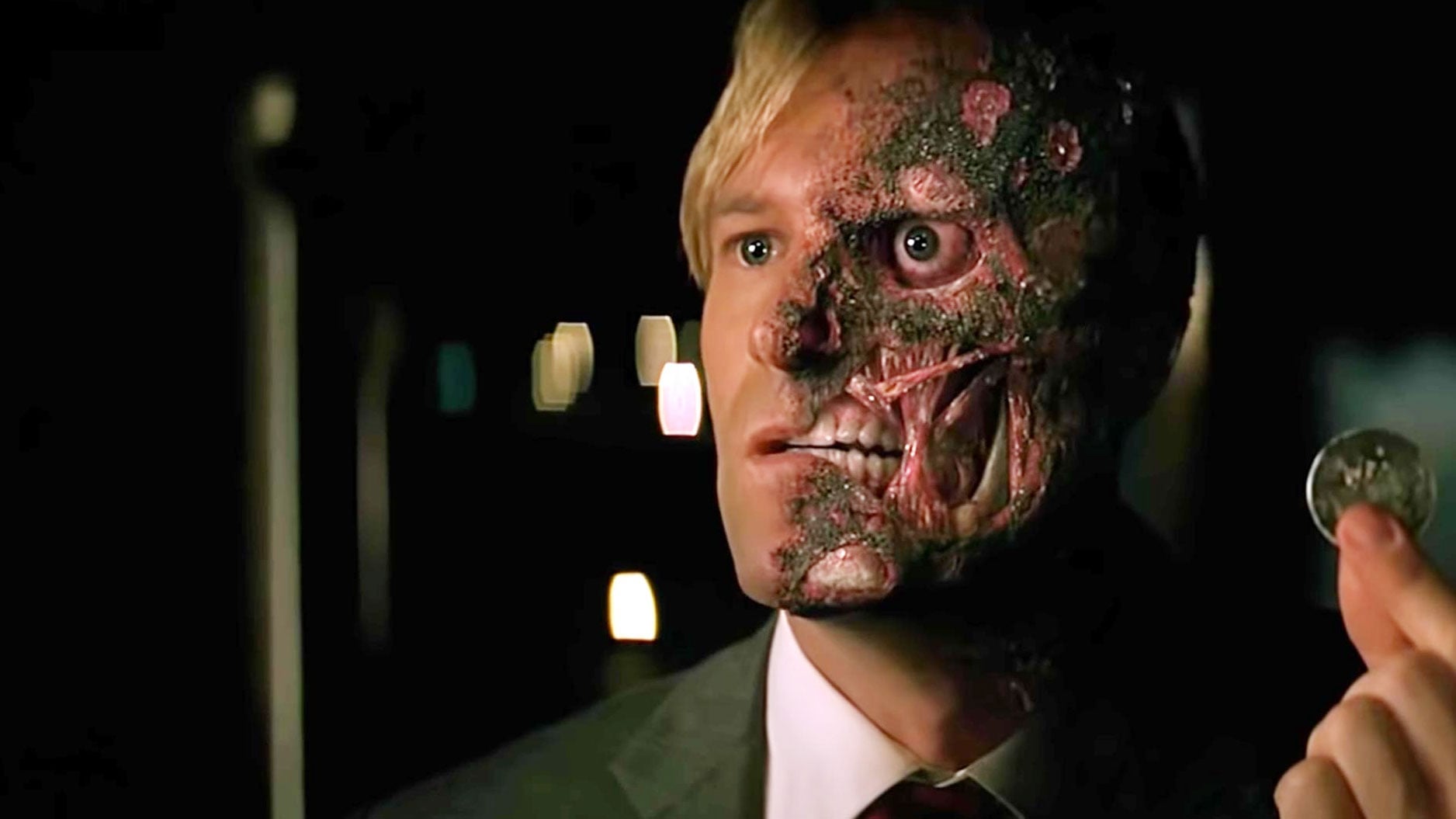
His flawed Dark Knight, for example, weighs the burden of the consequence of hoping to save Gotham but loses Rachel in the process.
Cooper and Cobb, likewise, accomplish the impossible — the former saved humanity, and the latter escaped the labyrinth of the dream realm — yet not sans irreversible toll: both lose decades of separation from family.
Given Nolan's pull toward complex heroes, who, though, realize their goals but, in turn, become emotionally diminished due to the unintended aftermath of their defining choices.
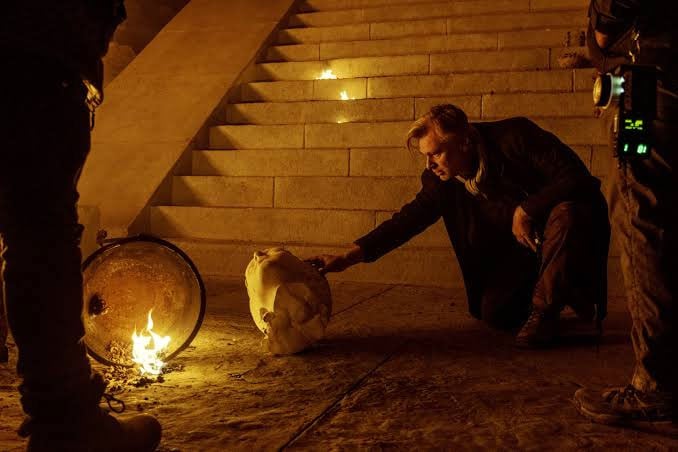
Herein, adapting Homer's immortal epic has not only made sense for the Academy-winning director's body of work but also works as an ultimate culmination.
But what turns a blind Greek poet's protagonist into a guilt-ridden figure? His encounter with a one-eyed giant or meat-eating sea monsters?
Not exactly. His moral torment began long before them; to be precise, when his voyage to Troy was set to commence.
Troy: A death knell to Odysseus' morals
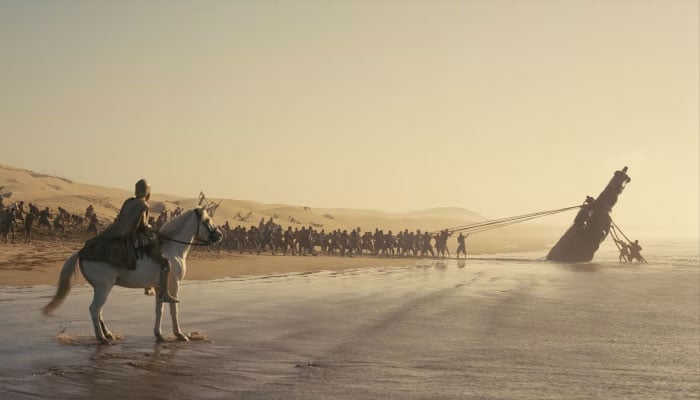
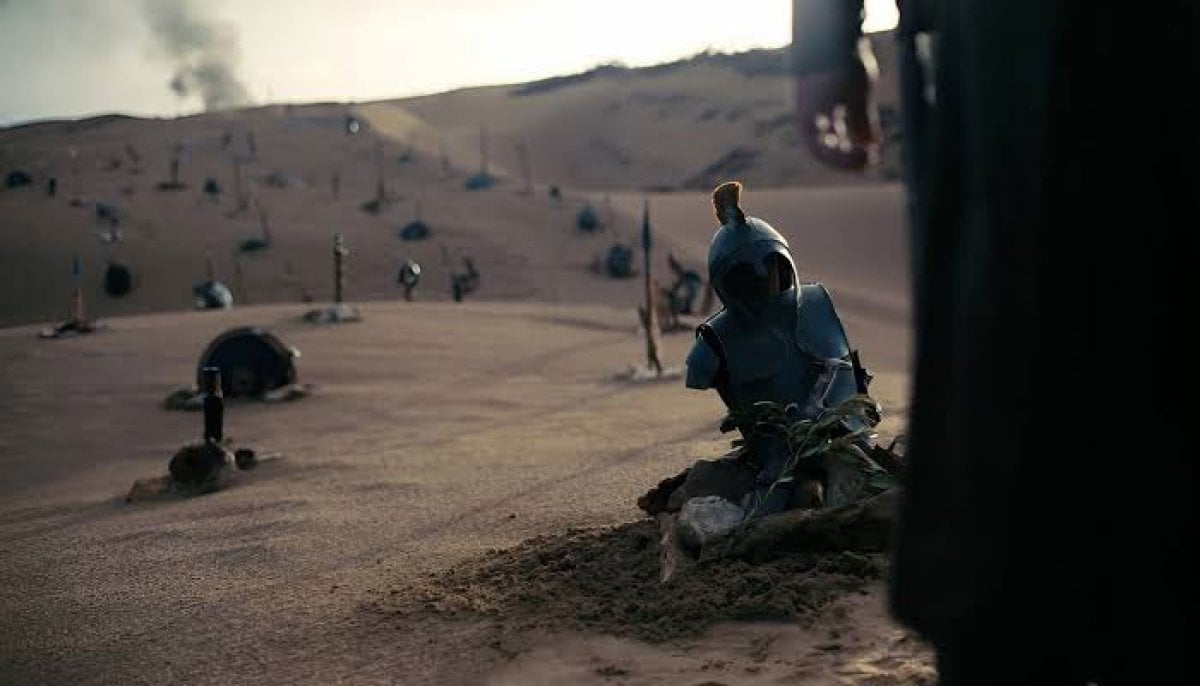
In contrast to other screen adaptations of the sacking of Troy as glory to the Greek military and particularly credited to Odysseus’ ingenuity, Nolan reframes it.
He underscores how the king of Ithaca is aware that the whole of Helen's abduction is largely a pretext for the power-hungry Mycenaean leader Agamemnon to stage a military campaign to raid the rich city of Ilium.
Thus, before sailing for Troy, Odysseus carries a blot on his conscience.
Yet, what upended his life was what he witnessed at the ransacking of the ancient city — Nolan's muscular direction viscerally strips away the bravado of soldiers and confronts men working themselves into an orgasm of blind rage — ultimately, the victory cost him losing a part of himself in the carnage.
Injured with a moral wound, Odysseus grapples with yet another far-reaching consequence: his moral choices.
Choices rather than destiny seal Odysseus' fate
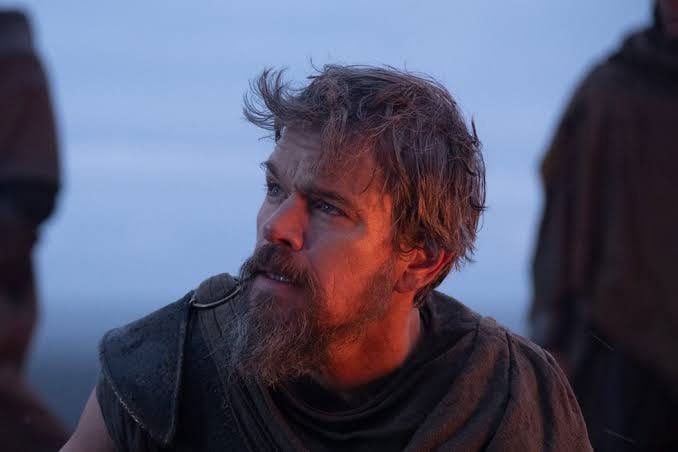
In The Odyssey, re-imagined by Nolan, violence is not merely karmic revenge but a chain reaction of cause and effect, guided largely by nature's unique gift to humans: personal choice.
Odysseus' ingenious military plan was the initial spark.
An intentional choice — born presumably out of desperation due to Troy's unbreachable walls — left dozens of Ithacan soldiers wilfully confined inside the oversized wooden horse for days; though poised for an ambush, they silently waited for the gates of the ancient city to open.
Trapped, suffocated, and shaken, Odysseus and his men test the limits of their duties and commitments by stacking onto each other, akin to the Leaning Tower of Pisa.
For the conniving scheme to be complete, a last piece is required.
Ulysses wilfully provided this in the face of his cousin Sinon, a teenage soldier portrayed by Elliot Page, who unwittingly tricks the Trojans through his guilelessness into believing the horse is a gift and, in seconds, is impaled for believing what is untrue.
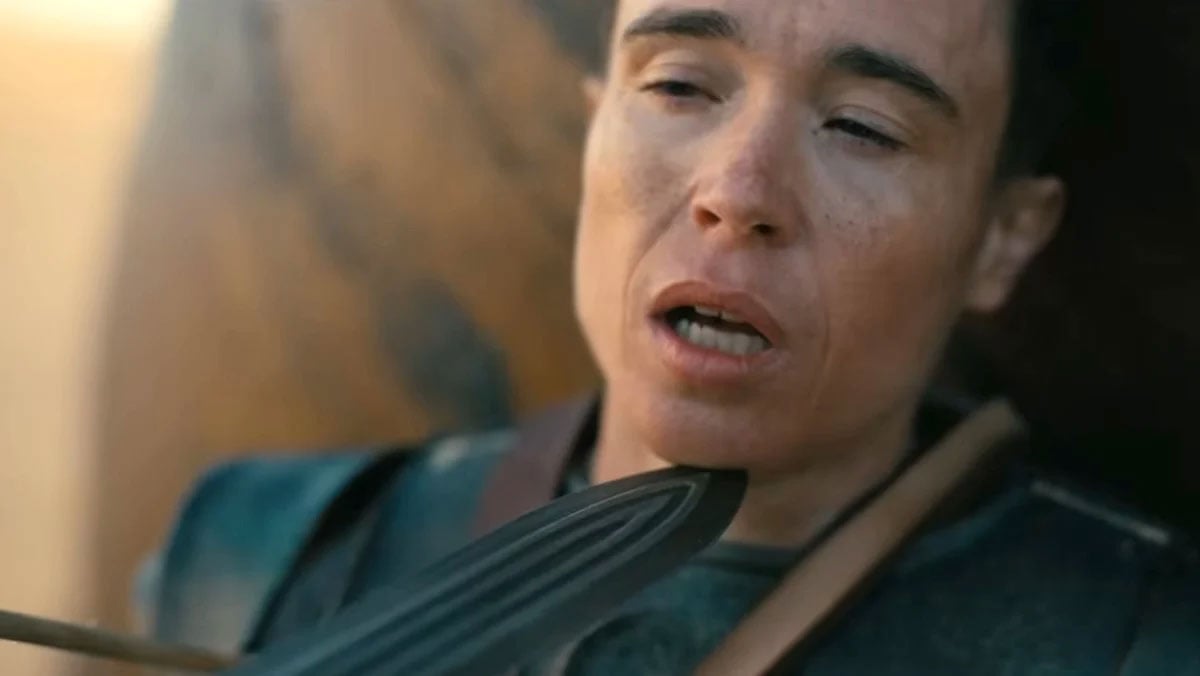
In the ensuing moments, Nolan's protagonist — with the pivotal decision made — agreed to at least two moral compromises.
The first was disregarding his 'fair fight' code – as an upstanding man, Odysseus, while on a hunt, never kills a deer without alerting it – yet on the shores of Troy, he unleashes ten years of bottled Greek army fury in the dead of night on the city.
"We turned a fight into a hunt," he says to his wife about his actions in the siege of the walled city while in beggar's disguise.
Still, what trumps all is Penelope's wandering husband's cardinal sin of axing the Zeus-protected xenia law by inventing the treacherous wooden horse and tricking the unsuspecting Trojan soldiers into believing it to be an offering.

As violence begets violence, so do Odysseus's unfailing attempts to contain it; however, the choices he has made — since departing from Troy — have not only voided his intentions but also outlived them.
Shooting an arrow at Polyphemus in spite of making it out of the cave alive with his crew, for example, is Exhibit A.
Regardless of them being under Odysseus's command, some Achaean warriors question the shot, arguing it was needless.
Still, out of rage, revenge, or reverence for his fallen men at the hands of the one-eyed giant, Odysseus defends his actions.
Yet, his spite produces the diametric opposite results.
As the Cyclops — already in a fume over his single eye being gouged out — in response rushes to devour a band of surviving crew on the shore while the morally grey hero from a safe distance shoulders on with the burden of witnessing.
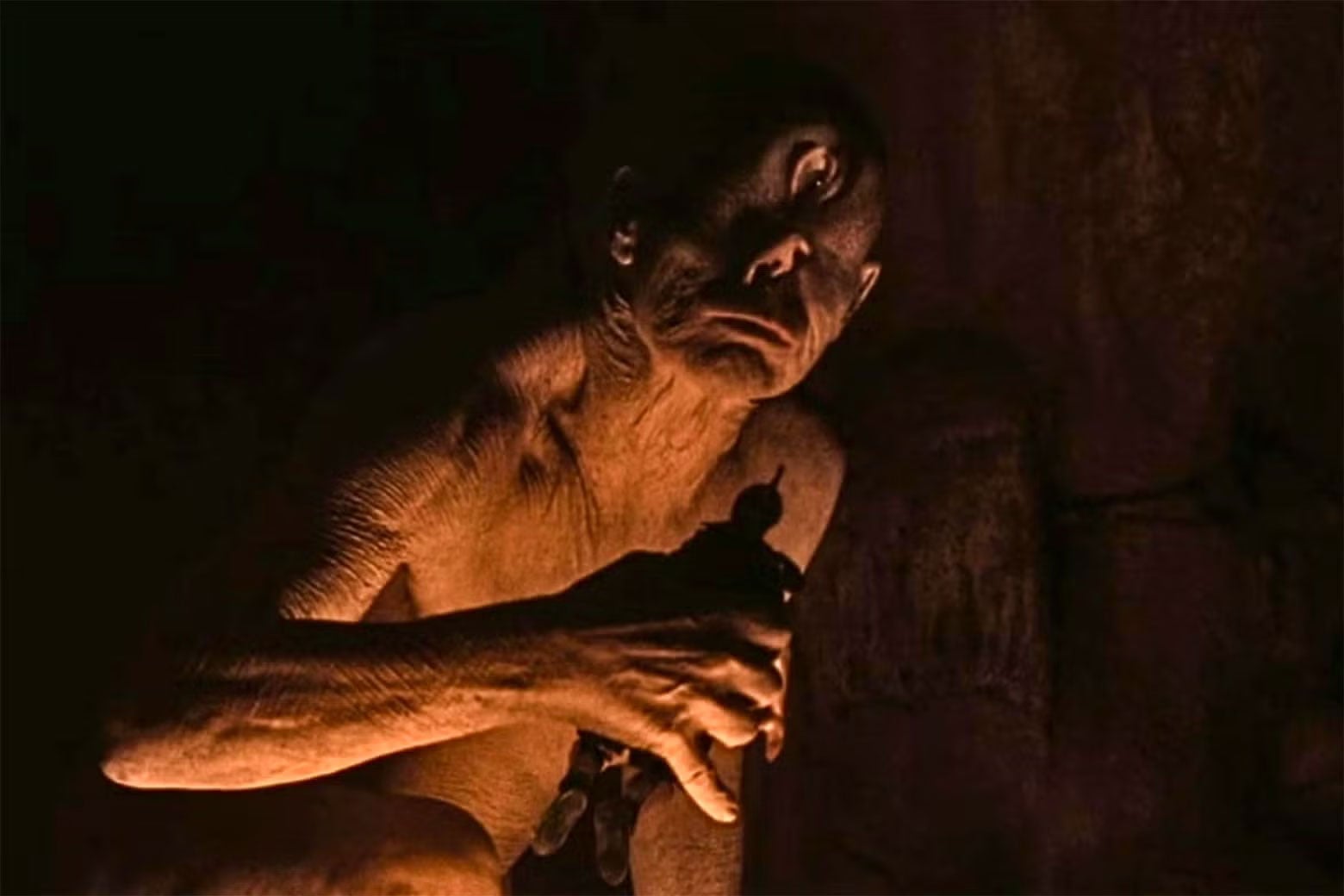
Odysseus' rash decision, much to his chagrin, makes violence cyclical as it sets off a domino reaction.
From a subsequent curse by sea-god Poseidon for driving a hot wooden spear into his son Polyphemus, which haunts him and his men in the ocean, to defying the deities’ ire in a bid to save his crew, even going to lengths to meet the dead, he still loses them to Zeus' rage over eating the sun god's cattle.
Though quietly, his men are beginning to come to terms that their commander, who seeks to save them, will eventually get them killed. Hence, disobeying his commands is explained.
Cutting a tragic figure, Odysseus encapsulates Nolan's captivation with flawed protagonists paying dearly for their fateful choices.
So does Batman, who required a sequel to salvage the consequences partly let loose by propping up the lie of unblemished Harvey Dent.
Oppenheimer builds an atomic bomb to win the race against the Nazis, only to be left in dread of becoming what he set out to beat.
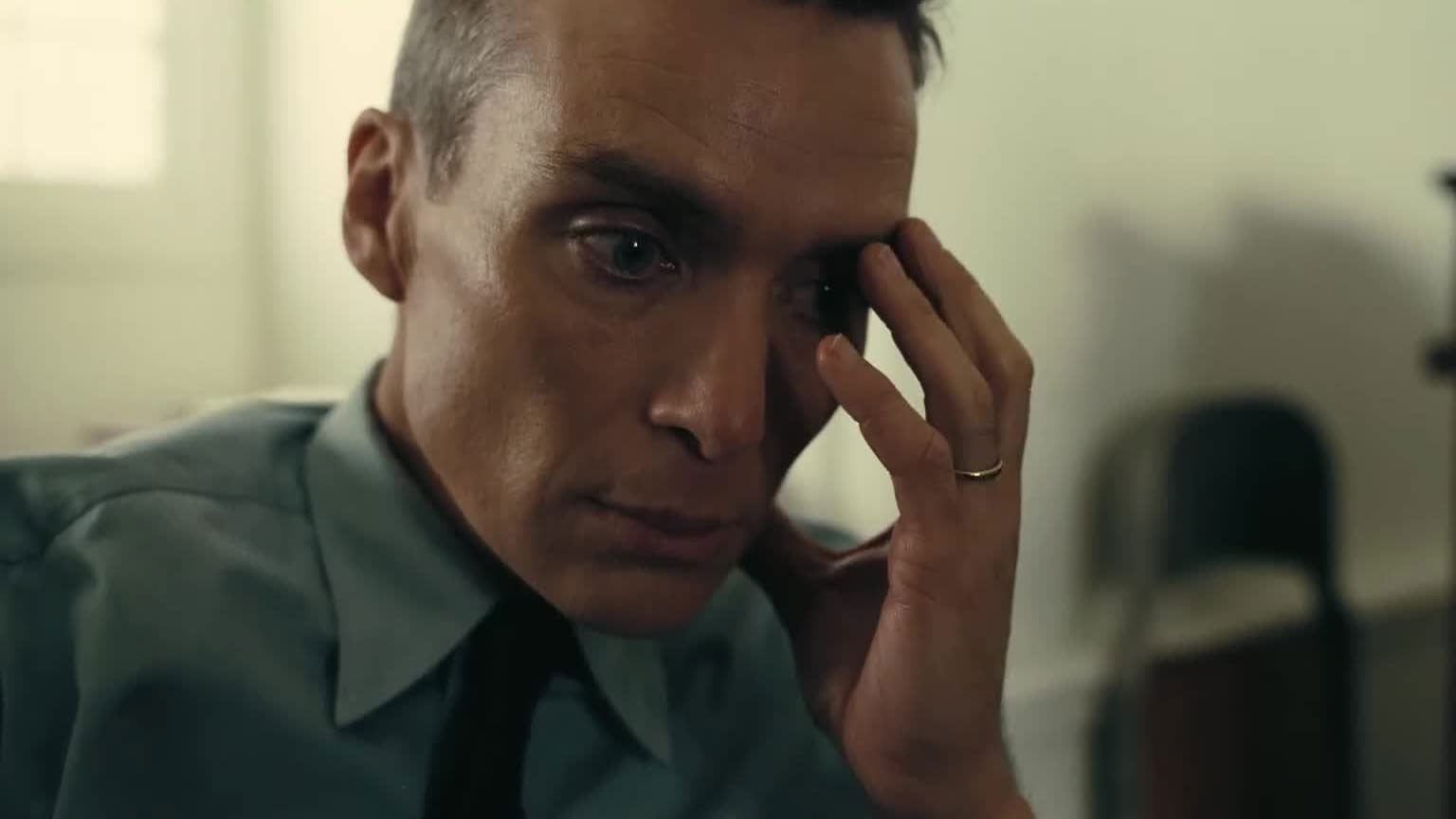
Together, via his fallible protagonists' acts of compromise, Nolan overall conveys that they invariably create consequences that become uncontrollable and eventually pave the path for their moral reckoning, which, in Odysseus' case, culminates in his journey back to his kingdom, Ithaca.
What is Home?
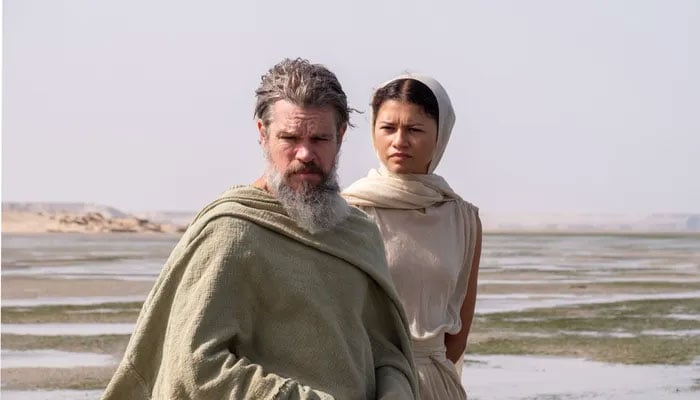
Home often, if not always, in Nolan's oeuvre acts as a metaphor rather than a physical place. Therefore, it means different things to different people.
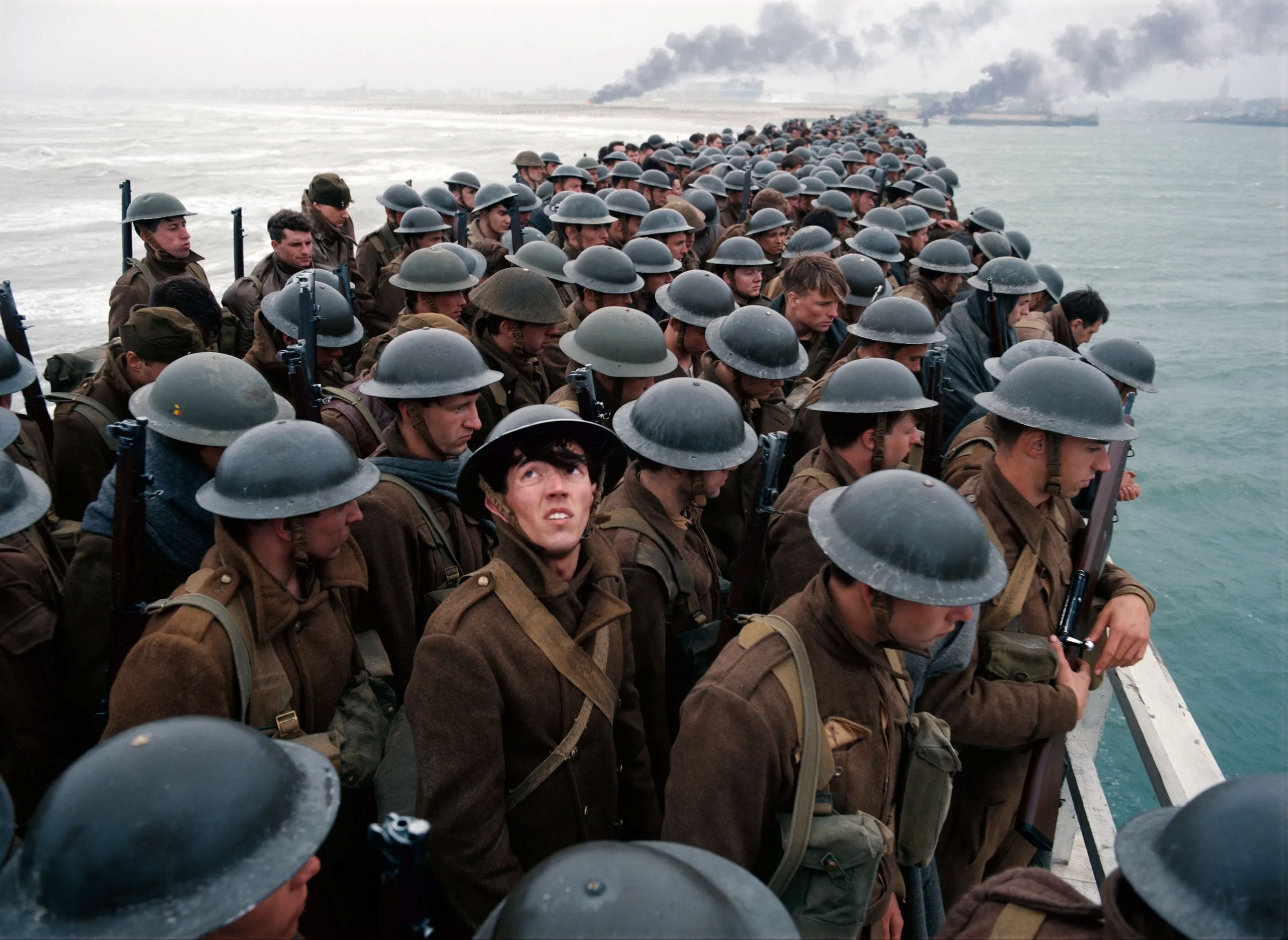
For famished Allied soldiers stranded at the beaches of Dunkirk during the height of World War II, with 330,000-plus of them rescued, home signifies survival and a search for dignity.
Oppenheimer, however, cannot return home, which for the physicist is peace of mind that he lost after fully realizing the destruction of his creation.
In contrast, Odysseus longs for home, which translates to his family and the identity he lost in twenty years in the wild.
Though the son of Laertes restores himself — in addition to entering his kingdom as a beggar, where he once left as a king — by peeling his flaws off in trial after trial in the sea and on mysterious islands.
Regardless of achieving worthiness, twenty years away from home unfolds the weary hero into confronting pillaging Troy, encountering man-eating giants, suffering the wrath of the gods, and witnessing the deaths of all his crew.
Nolan, here in just a shy three hours of The Odyssey, asks, 'Can enduring such a level of violence make anyone remain unchanged despite returning home?'
Poignantly, the director himself answers the question via his protagonist, Odysseus, who at the tail-end of the film discloses what the epic fantasy throughout instills fear from: the 'Sea Peoples', and the complicated man, as translated by Wilson, acknowledges, "We are the people from the sea."



-
 'The Odyssey' review: Christopher Nolan finds the answer to his lifelong obsession in Odysseus' choices
 -
 Emily Wilson reviews Christopher Nolan's 'The Odyssey': 'I would be ashamed to write this script'
 -
 Savannah Guthrie begs Nancy's kidnappers to 'tell us where she is'
 -
 Nancy Guthrie's chilling first ransom note details revealed
-
 Dakota Johnson's mother, other celebrities back Kaitlan Collins after Daily Show appearance
 -
 Tom Holland praises wife Zendaya's acting skills: 'She raises the game'
 -
 Jen Hamilton reveals if she plans to change last name after exposing ex's 'double life'
 -
 What Katie Holmes' daughter really thinks of her mom's new romance
 -
 Elizabeth Hurley expresses her true feelings about Miley Cyrus: 'I always knew who she was'
 -
 Ariana Grande takes legal action after alleged theft of private files
 -
 Celeste Rivas Hernandez's family reacts as D4vd heads to trial
 -
 Brooke Nader, Taron Egerton break up after months of dating