
‘Dementia must be treated as a disease’
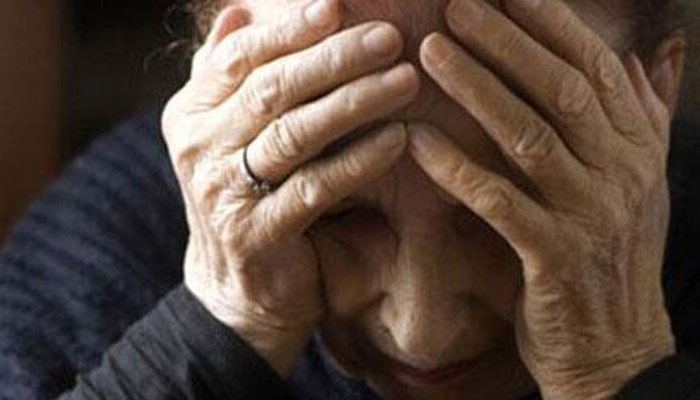
LAHORE: Dementia is not just ageing phenomenon as it is ranked as the seventh major cause of death among aged patients.
“Dementia must be treated as a disease and, therefore, needs to be taken care of,” said Prof Dr Shahida Batool of Department of Psychology, Government College University while speaking at a virtual session on “Diagnosis of Dementia – What Next?” jointly organised by Alzheimer’s Pakistan and Pakistan Psychiatric Society here on Thursday.
Alzheimer’s Pakistan Secretary General Hussain Jafri moderated the session.
Dr Shahida Batool quoted a US study terming dementia a morbidity that increased the risk of heart problems among patients. She said that initially the patients remained in denial then there came a stage of acceptance followed by management role. The members of those families are at more risk where there are already such patients in the family. Dementia increases eight percent every decade. She said, “We teach students about dementia description available in the syllabus. The students do internship while taking care of patients. We teach caregivers to give quality time to patients.”
Prof Dr Ather Javed, former president of Pakistan Society of Neurology, said that there was a good shift of average population without dementia as mostly those above 80 years of age were without dementia. Now, he said, the diagnosis was not rare and people also knew symptoms through available sources of information on social media.
At an advanced Alzheimer’s disease, he said, the patients usually stop eating. The doctors modify treatment as much as the change in the disease takes place. He said that the patients must be given available medicines to slow down the disease and attempts should be made to remove depression from the patient. He said that the caregivers must not hurt the dignity of patients.
Prof Ali M Hashmi, professor of psychiatry, King Edward Medical University (KEMU) and PPS secretary, Punjab, said that caregivers also get affected when they offered round the clock care to patients in advanced disease. At the age of above 85 years, at least 25 percent people faced this disease. Dementia is present in Western countries, where age of people is long.
Prof Dr Asad Tameezuddin, chairman, Institute of Psychiatry, Rawalpindi Medical University (RMU) and PPS vice-president, said that dementia changes started at around three to four years before one got to know about the disease. When the mild and moderate stages pass, the patients are taken to a health facility at a severe stage.







-
 Zayn Malik Reveals Why He Collaborated With Blackpink's Jisoo For 'eyes Closed'
 -
 NASA Artemis II Moon Mission Set For Liftoff Today: Here’s What To Know
 -
 Prince Harry Breaks Silence After King Charles Confirmed US Visit: 'Brave Leadership'
 -
 Zayn Malik Shares How His Daughter Really Feels About His Music
 -
 Megan Thee Stallion's Latest Hospitalization Echoes 2020 Shooting Trauma
 -
 Artemis II Mission: King Charles Sends Letter To Astronaut Jeremy Hansen
 -
 Anthropic Claude AI Source Code Leak: ‘Human Error’ Sparks Security Concerns
 -
 Princess Beatrice’s New Move Has Andrew On Edge
 -
 Why Did Luke Combs Think His Career Was Over When He Met Blake Shelton?
 -
 Why Women Fall Behind In AI Use, Former Meta COO Explains
 -
 Did The Big Bang Happen Differently? New Theory Challenges Origin Of Universe
 -
 Asia Shares Jump After Trump Hints Iran Conflict Could End In '2-3 Weeks'
 -
 April Fools’ Day Mystery Explained With Theories Linking Pranks To Calendar Reforms And Folklore
 -
 Andrew Receives Major Warning To Dial Back Expectations Over New Home
 -
 'Shrinking' Stars Get Honest About Harrison Ford Ahead Of Finale
 -
 Flash Flood Warning In Effect For Lawrence And Mercer Counties Amid Storms And Rising Water Levels