Struggling with obesity? Here's how to manage it
Obesity is a worldwide problem, with 16% of adults aged 18 years and older worldwide being obese in 2022
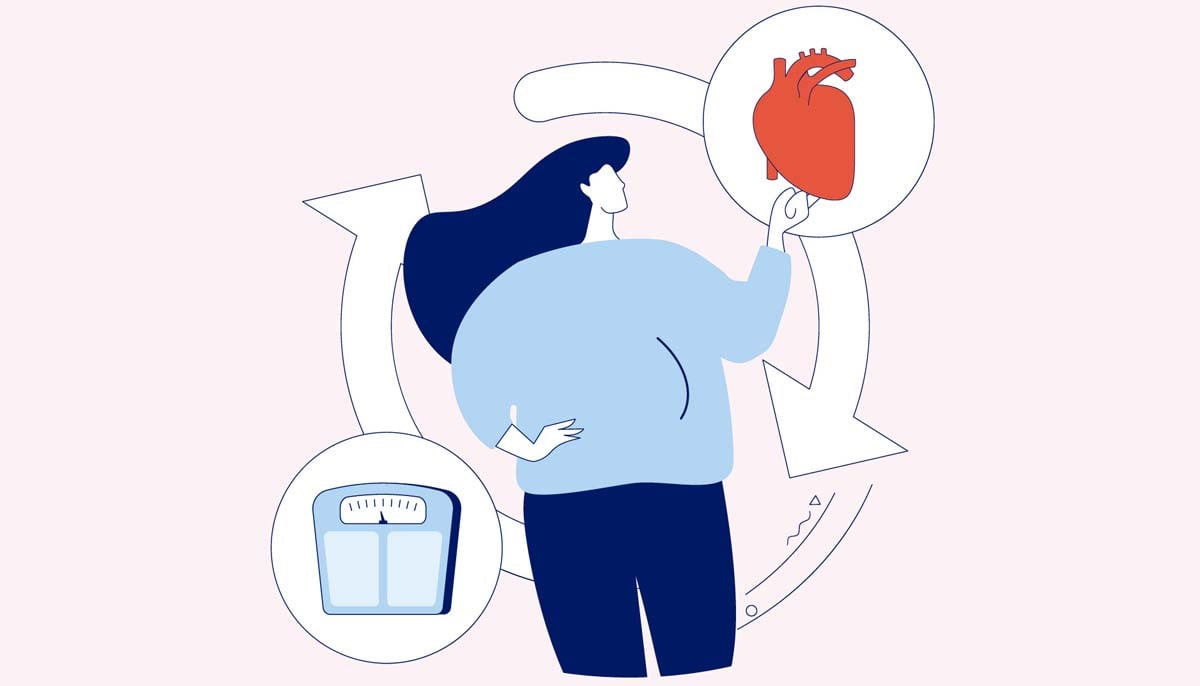
Obesity is a chronic medical condition characterized by excessive body fat that increases the risk of serious health problems.
It is commonly assessed using Body Mass Index (BMI), where a BMI of 30 or higher is classified as obesity.
Obesity is not simply caused by overeating; it is a complex condition influenced by biological, behavioral, as well as environmental factors.
What Is Obesity?
Obesity occurs when calorie intake consistently exceeds the body’s energy requirement, leading to fat accumulation. Over time, this excess fat disrupts normal metabolic processes and contributes to inflammation, insulin resistance, and hormonal imbalance.
The condition raises the risk of conditions such as heart disease, type 2 diabetes, stroke, joint disorders, and certain cancers.
Why Does Obesity Happen?
Several factors contribute to the development of obesity:
- Unhealthy dietary habits, including high intake of processed and calorie-dense foods
- Sedentary lifestyle, with quite less physical activity
- Genetic predisposition, affects metabolism and fat storage
- Hormonal imbalances, such as insulin resistance or thyroid disorders
- Psychological factors, including stress, emotional eating, and sleep deprivation
- Certain medications, like corticosteroids or antidepressants
These factors often interact, making obesity difficult to manage without guidance.
Treatment and Management of Obesity:
Obesity treatment focuses on long-term lifestyle modification and medical intervention upon need.
- Dietary changes, by having balanced, nutrient-rich meals
- Regular physical activity, designed to suit individual ability and health status
- Behavioral therapy, to address eating patterns and emotional triggers
- Medications, prescribed in specific cases to aid weight loss
- Bariatric surgery, for severe obesity when other treatments fail
Obesity is a complex but treatable medical condition.
It is not a failure on your behalf, nor your fault as some people might say. Early intervention and treatment strategies can significantly improve health outcomes and quality of life for individuals living with obesity.



-
 World’s first AI-powered lab aims to prevent future pandemics
 -
 New personalized cancer vaccine cuts Melanoma recurrence risk by 42%, trial shows
 -
 Prime editing rewrites DNA inside human body for the first time
 -
 WHO investigates mystery Ebola case in Nigeria as outbreak spreads beyond DR Congo
 -
 Virginia Sen. Louise Lucas indicted on racketeering and marijuana charges
 -
 France confirms world's first human case of Shamonda virus; patient dies
 -
 OpenAI agents uncover brain disease leads: Here’s how
 -
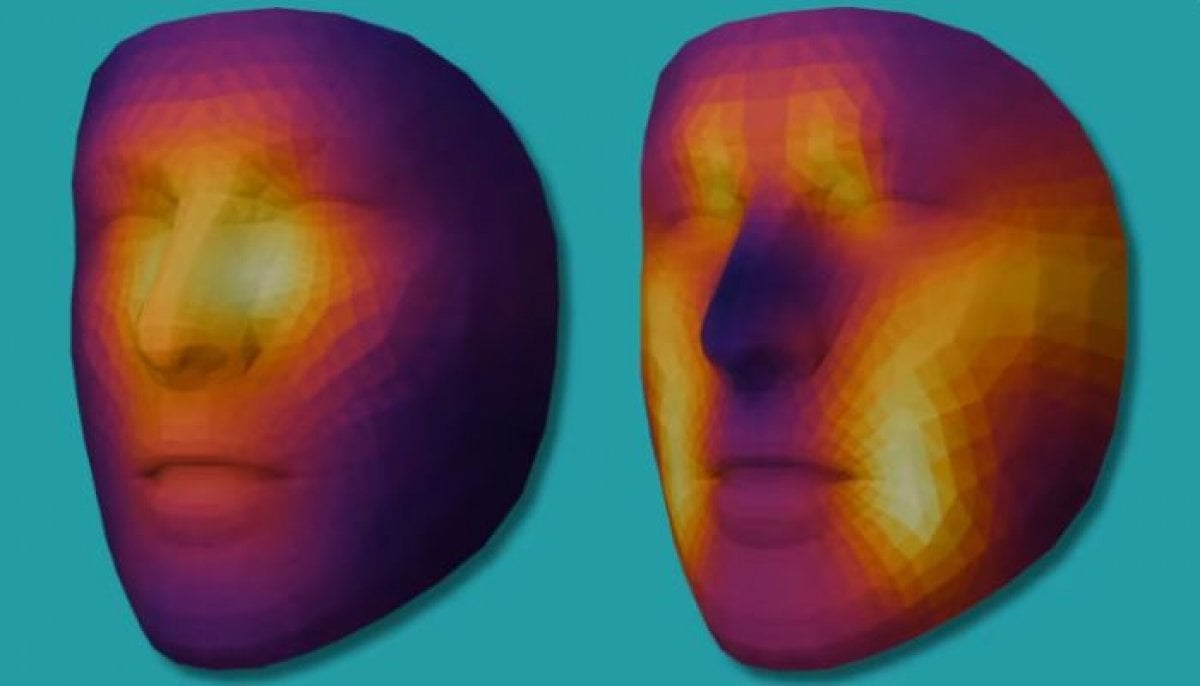 AI tool can now predict cancer survival by a single patient selfie: Find out how
-
 Scientists identify a new type of depression affecting 1 in 4 patients
 -
Everything to know about US FDA’s new guidance on apps used with prescription drugs
-
‘Immortal’ jellyfish could hold clues to slowing human ageing
-
Ebola crisis worsens in DR Congo as virus reaches eighth province with over 4,500 dead