
Kaunda: Zambian liberation leader passes away
Former Zambian president Kenneth Kaunda was a hero of the struggle against white rule in southern Africa, but lost his hold on power when democracy spread across the continent. Kaunda, who was admitted to hospital on Monday for pneumonia and died Thursday aged 97, ruled for 27 years and was one of the last remaining African liberation heroes.
He became the first foreign head of state to be visited by South African liberation icon Nelson Mandela on his release from prison in 1990. But the following year, Kaunda was ditched by Zambian voters when he was pressured into scrapping decades of one-party rule and holding multi-party elections in the copper-rich but impoverished country.
Kaunda, who came to power in 1964 when the former Northern Rhodesia won independence from Britain, nationalised mines and other key industries, but his policies proved economically disastrous.
His support for liberation movements in the region, including hosting Mandela’s African National Congress (ANC) in exile, also saw the country come under pressure from its bigger neighbours and hurt the copper-rich economy by cutting important export routes.
Although his own nationalist career had been essentially non-violent, and earned him the moniker "African Gandhi", Kaunda backed the armed struggles against minority white rule in South Africa, Angola, Mozambique and Southern Rhodesia (now Zimbabwe).
Despite this, he maintained generally good relations with Western powers, proving to be a valuable intermediary in talks with nationalist guerrilla groups. He famously danced with Britain’s "Iron Lady" prime minister Margaret Thatcher -- no friend of the liberation movements -- at a Commonwealth conference in Lusaka in 1979.
Widely known as KK, his warm personality and trademark white handkerchief, often used to dab his eyes during an emotional speech, made him a colourful and well-known character in the struggle against apartheid.
Ex-vice president Guy Scott recalled a visit to South Africa with Kaunda and how "amazing" it was while passing through the airport in Johannesburg "because everybody wanted to have themselves photographed with Dr Kaunda".
Kaunda himself recalled several fruitless meetings with white South African leaders over apartheid before talks with president F.W. de Klerk, who later freed Mandela. "Then came my meeting with F.W. de Klerk... and after a few hours I called a press conference where I said ‘I think I can do business with this man’. Thank goodness he released this great man." But at home Kaunda had become increasingly autocratic and, as democracy flowered across Africa with the thawing of the Cold War, he was forced to hold multi-party elections in 1991.




-
 Gigi Hadid Feels 'humiliated' After Zayn Malik's 'pathetic' Comment: Source
 -
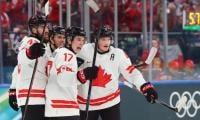 Olympics Men Hockey Game: McDavid, Crosby Power Canada Past Czechia
 -
 Sony PlayStation State Of Play Reveals 'Castlevania' And 'Metal Gear' Return
 -
 Ontario Tuition Freeze Ends, Allowing Colleges And Universities To Raise Fees
 -
 King Charles Should Apologise To All Rape Victims, Says New Poll
 -
 Cardi B Shares Emotional Message Amid Stefon Diggs Split Rumors
 -
 James Van Der Beek’s 'heartbroken' Ex Wife Breaks Silence Of His Death
 -
 Sarah Ferguson, Shamed Andrew Spotted In ‘family Costume Drama’
 -
 Kylie Kelce Reveals Why She Barely Planned Her Wedding Day?
 -
 Why Shamed Andrew Called His Victims ‘Mrs Windsor’
 -
 Kate Hudson Explains Why Acting Isn't Discussed At Home
 -
 Prince William, Kate Middleton Epstein Statement Was AI Generated, Says Expert
 -
 Sarah Ferguson On Her Way To Hurt 'only Two People Who Care About Her'
 -
 World’s Top PC Maker Sounds Alarm Over Memory Chip Shortage
 -
 King Charles Is ‘clearly Worried’ Andrew Has Tarnished Royal Image
 -
 Royal Family Loses 'loyal' Worker After King Charles Disliked His Work?