
‘Climate change bigger threat than Covid’
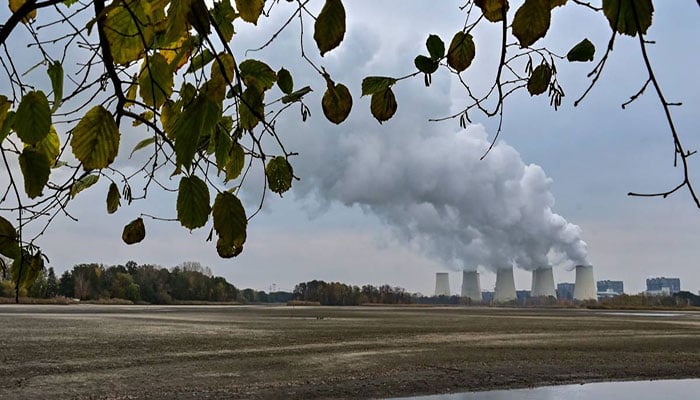
GENEVA: The world should react with the same urgency to climate change as to the coronavirus crisis, the Red Cross said on Tuesday, warning that global warming poses a greater threat than Covid-19. Even as the pandemic rages, climate change is not taking a break from wreaking havoc, the International Federation of Red Cross and Red Crescent societies (IFRC) said in a new report.
In the report, on global catastrophes since the 1960s, the Geneva-based organisation pointed out that the world had been hit by more than 100 disasters -- many of them climate related -- since the World Health Organisation declared the pandemic in March.
More than 50 million people had been affected, it said. "Of course, the Covid is there, it’s in front of us, it is affecting our families, our friends, our relatives," IFRC Secretary-General Jagan Chapagain told a virtual press conference. "It’s a very, very serious crisis the world is facing currently," he said of the pandemic, which has already claimed more than 1.3 million lives.
But he warned that the IFRC expects "climate change will have a more significant medium and long term impact on the human life and on Earth." And while it looked increasingly likely that one or several vaccines would soon become available against Covid-19, Chapagain stressed that "unfortunately there is no vaccine for climate change".
When it comes to global warming, he warned, "it will require a much more sustained action and investment to really protect the human life on this Earth." The frequency and intensity of extreme weather and climate-related events had already increased considerably in recent decades, said the IFRC.
In 2019 alone, the world was hit by 308 natural disasters -- 77 percent of them climate or weather-related -- killing some 24,400 people. The number of climate and weather-related disasters has been steadily climbing since the 1960s, and has surged by nearly 35 percent since the 1990s, IFRC said.
This is a deadly development. Weather and climate-related disasters have killed more than 410,000 people over the past decade, most of them in poorer countries, with heatwaves and storms proving the most deadly, the report said.
Faced with this threat, which "literally threatens our long-term survival", IFRC called on the international community to act with the urgency required.
It estimated that around $50 billion would be needed annually over the next decade to help the 50 developing countries to adapt to the changing climate. IFRC stressed that that amount was "dwarfed by the global response to the economic impact of Covid-19," which has already passed $10 trillion.







-
 Why Prince William Releases Statement On Epstein Scandal Amid Most 'challenging' Diplomatic Trip?
 -
 Historic Mental Health Facility Closes Its Doors
 -
 Top 5 Easy Hair Fall Remedies For The Winter
 -
 Japan Elections: Stock Surges Record High As PM Sanae Takaichi Secures Historic Victory
 -
 Prince William, Kate Middleton Finally Address Epstein Scandal For First Time: 'Deeply Concerned'
 -
 Kim Kardashian Promised THIS To Lewis Hamilton At The 2026 Super Bowl?
 -
 Andrew Mountbatten-Windsor Throws King Charles A Diplomatic Crisis
 -
 Barack Obama Hails Seahawks Super Bowl Win, Calls Defense ‘special’
 -
 Pregnant Women With Depression Likely To Have Kids With Autism
 -
 $44B Sent By Mistake: South Korea Demands Tougher Crypto Regulations
 -
 Lady Gaga Makes Surprising Cameo During Bad Bunny's Super Bowl Performance
 -
 Paul Brothers Clash Over Bad Bunny's Super Bowl Performance
 -
 South Korea: Two Killed As Military Helicopter Crashes During Training
 -
 Elon Musk Unveils SpaceX’s Moon-first Strategy With ‘self Growing Lunar City’
 -
 Donald Trump Slams Bad Bunny's Super Bowl Performance: 'Absolutely Terrible'
 -
 Jake Paul Criticizes Bad Bunny's Super Bowl LX Halftime Show: 'Fake American'