Pregnant women with depression likely to have kids with autism
The study highlights importance of maternal health especially during and after pregnancy
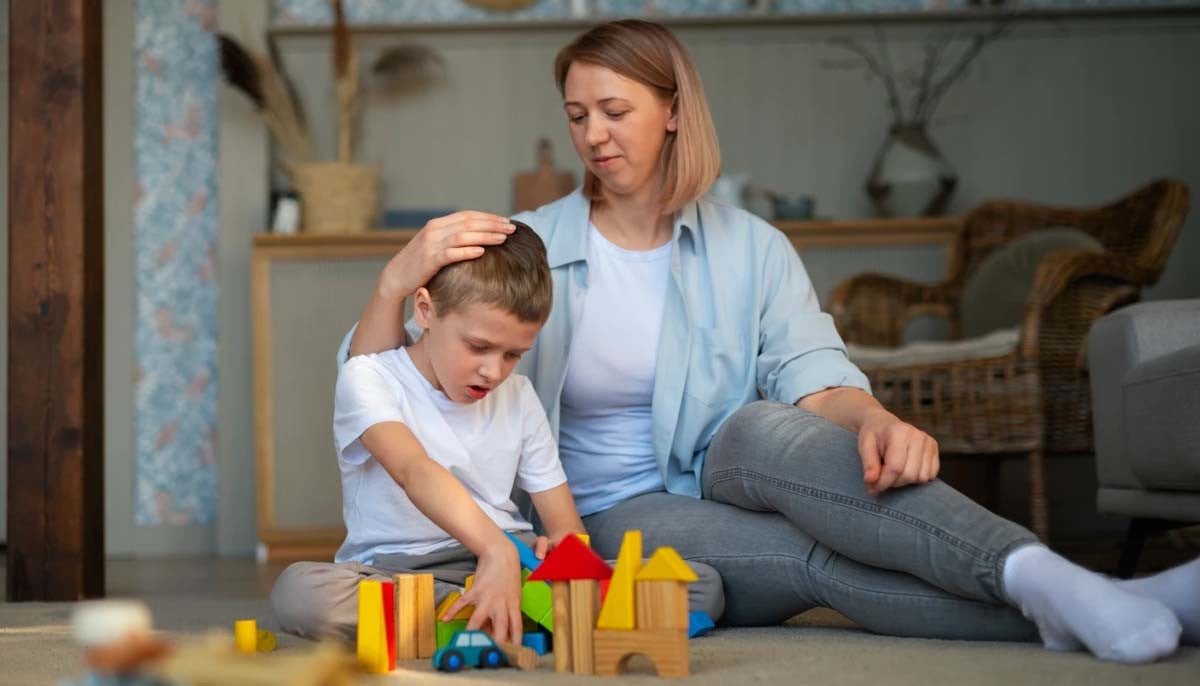
Children who are born to mothers experiencing severe stress or depression during or after pregnancy may face a higher risk of autism, according to new research from Japan.
According to this new research from Japan, it highlights the critical role of maternal health in early child development.
The study analyzed data from more than 23,000 mothers and their children, examining how maternal depression affected child development.
Researchers found a vivid association between maternal mental stress and increased chances of autism-like symptoms in children.
To strengthen the evidence, scientists also conducted biological experiments on mice, which supported the link between maternal stress and developmental changes related to autism.
While boys overall showed more autism-like symptoms regardless of their mother’s mental health, the effects of maternal depression were particularly pronounced in girls.
Girls exposed to maternal depression were more likely to be born with low birth weight and showed weaker emotional bonding with their mothers.
The research noted that, across the board, boys exhibited more autism-like traits than girls, independent of whether their mothers experienced depression.
According to the report, mental stress affects levels of oxytocin, a hormone essential for bonding and social behavior. Disruptions in oxytocin may help explain the biological pathway linking maternal depression to autism risk.
Another study involving more than 140,000 pregnant women found that using antidepressants during the second and third trimesters nearly doubled the risk of autism in children.
These findings have reignited debate around autism diagnosis, particularly the underdiagnosis of autism in girls, and the need to closely monitor mental health treatments during pregnancy.



-
 Measles cases in US top 4,000 nationwide, CDC reports
 -
 Sexually transmitted diarrhea spread in US, UK: Why antibiotics are failing against Shigella
 -
 Who is Song Li? China puts her forward for WHO leadership role
 -
 CDC monitors travelers from Siberia after plague worker’s death, director says
 -
 Russia pushes back on plague death reports, defends WHO notification
 -
 WHO deems Russia plague risk 'low' following lab technician’s fatal illness
 -
 New York declares Measles state of emergency amid nationwide disease resurgence
 -
 First-of-its-kind treatment shrinks unborn baby’s tumour before birth