
Budget 2025-26: ‘Specific uplift projects allocated for vote-rich areas’
LAHORE:The federal government has adopted a mix of public appeasement measures and revenue-assuring reforms especially under IMF scrutiny. These two goals often conflict, so the impact on the common man will vary depending on how the government balances them.
Public appeasing measures include increased social protection spending through expansion of Benazir Income Support Programme (BISP) stipends or coverage. These measures were announced to soften the political blow of austerity.
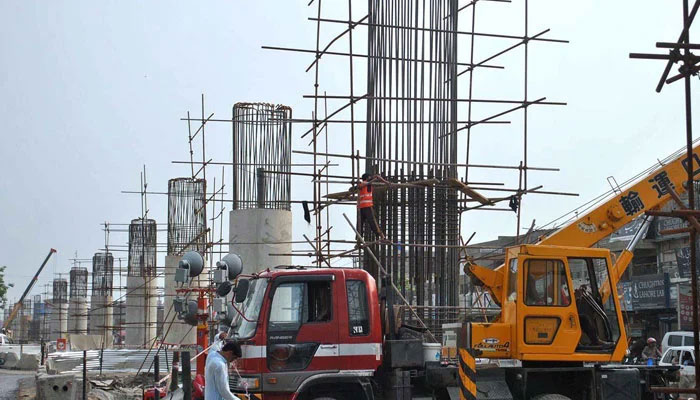
The budget also allocated specific development projects in vote-rich areas by announcing targeted schemes like roads, water supply, or schools in Punjab, Karachi, or KP for political gains. It might create short-term employment and improved amenities, but capital expenditure has limited direct impact on the poorest unless combined with maintenance and local procurement policies.
The government employees got salary and pension increase of 10 percent. It will help the middle class employed in the public sector, but may fuel inflation, especially if not matched by revenue generation. It will also increase fiscal burden unless matched by cuts elsewhere or new taxes. Still it would not satisfy the government employees who were demanding a 50 percent increase. No minimum wage was announced in the budget speech while the private sector workers were disappointed.
The next budget continued utility subsidies. Lifeline electricity units (50–100 units/month) would stay subsidised. The government may announce gas subsidies for tandoors and low-use households. This will reduce the energy stress for the poor, but create budget deficits or force cross-subsidisation (industry and middle class pay more).
To meet IMF targets (expected to require 1.5–2 percent of GDP in additional revenue), the government has moved toward a uniform sales tax scheme of tax exemptions but reduced sales tax on fertilizers was not disturbed. Exemptions for retailers or certain sectors have been withdrawn. The impact of these measures would result in an increase in prices and it hurts the middle class and poor unless offset by targeted subsidies.
Measures were announced to enforce track and trace, digital invoicing, and POS systems for better compliance. These measures would have positive long-term impact; it would reduce tax burden on salaried class if done fairly. In the short term, the govt may face resistance from affected stakeholders and prices may rise.
The withholding tax on non-filers has been increased from 0.6 percent to 1.2 percent on transaction or withdrawal of over Rs50,000. The income tax on bank profits has been increased from 15 percent to 20 percent.
This measure would not apply on national saving scheme depositors and will give National Saving Institution an advantage over banks environmental tax of 2.5 percent has been slapped on per liter of petrol and diesel. This would increase inflation leading to higher transport and food costs. It would also hurt lower-income households disproportionately.
Net impact of likely budget measures on the common man would vary for each segment of society. For the poorest 20 percent would receive some relief via BISP or lifeline subsidies, but rising inflation from indirect taxes and fuel/energy hikes will erode real gains.
Lower-middle class would be the worst hit as they do not qualify for targeted relief and face higher living costs via taxes, electricity, and inflation. Salaried middle class may see salary increases, but taxed more (especially indirect taxes) and see diminishing purchasing power.
Small businesses would face greater tax scrutiny, cost increases, and lower demand due to inflation. Agriculture and informal are likely to remain out of real taxation which is politically sensitive though economically overdue.







-
 Melania Trump Appears With Humanoid Robot At White House
 -
 ‘Addictive By Design’: Meta, YouTube Found Liable In Historic Verdict
 -
 Bruce Willis' Mom Marlene Makes Another Family Amid Son's Battle With Dementia
 -
 Roblox Safety Warning For Parents: Developer Says Kids Need 24/7 Monitoring
 -
 Chelsea Handler Explains Why She Dates Younger Men
 -
 Chappell Roan's Security Guard Takes 'full Responsibility' For His Interaction With Jorginho's Daughter?
 -
 Rosalía Cuts Concert Short Over Sudden Illness, Fans Shocked
 -
 'Buffy' Star Nicholas Brendon's Death Case Takes Massive Turn
 -
 FKA Twigs Takes Legal Stand Against Ex Shia LaBeouf
 -
 ‘Progressive’ Kate Middleton Snubs Outdated Royal Etiquette
 -
 Kylie Kelce Explains Why She Avoids Raising Kids With 'silver Spoon'
 -
 Meghan Markle Is Above Royal Family ‘empty Threats,’ Says Insider
 -
 Anne Hathaway Opens Up About 'defeated' Feeling As Working Mom
 -
 Shamed Andrew Should Testify In Epstein Case As ‘act Of Service’
 -
 What Really Happened Before Nicholas Brendon Was Found Dead At Home?
 -
 Sarah Ferguson Branded ‘most Famous Missing Person’ In UK Right Now