AI is not as powerful as we think, says mathematician Hannah Fry
Scientist warns that overtrust in artificial intelligence is already changing lives in risky ways

Artificial intelligence transforms human society, but people mistakenly believe it to be an unstoppable force. In a recent interview, University College London mathematician Hannah Fry said people are overestimating AI’s abilities and underestimating its risks.
The AI expert explained that people who trust AI chatbots and algorithms without questioning their reliability will experience negative consequences, which include job loss, relationship breakdowns, and financial loss.
AI hype vs reality
The AI systems have been incorrectly described by people who believe these systems function as divine entities, according to Fry. She explained that AI functions as an advanced spreadsheet tool which lacks any characteristics of a living being.
AI systems demonstrate their ability to execute tasks beyond human abilities, but they fall short of having complete knowledge. She presented examples where AI chatbots promoted dangerous conduct while providing harmful recommendations.
People used AI systems to receive therapy and financial guidance. Some people thought it had extraordinary abilities to predict future events. Fry described the excessive faith people have in artificial intelligence systems as a security threat.
At the same time, Fry remains optimistic about AI innovation. She said AI is helping solve complex maths problems and accelerating scientific research. Tools like protein-folding systems are advancing medicine and material science.
However, she stressed that AI development must be handled with caution. The AI revolution should be done “with us, not to us”. She called for public debate, stronger design safeguards and better awareness of AI risks.
Fry believes artificial general intelligence may not be far away. Yet she insists humans remain essential for creativity, abstraction and ethical judgement.
As artificial intelligence continues to evolve, Fry said society must stay worried, informed and involved. Worry, she argued, can help prevent the worst AI outcomes while allowing the best innovations to thrive.



-
 China’s DeepSeek restructures pricing with a permanent 75% cut on V4-Pro AI model
 -
 How Microsoft is fixing AI bias in blind representation
 -
 Italy shuts down piracy network linked to $348m losses for Netflix
 -
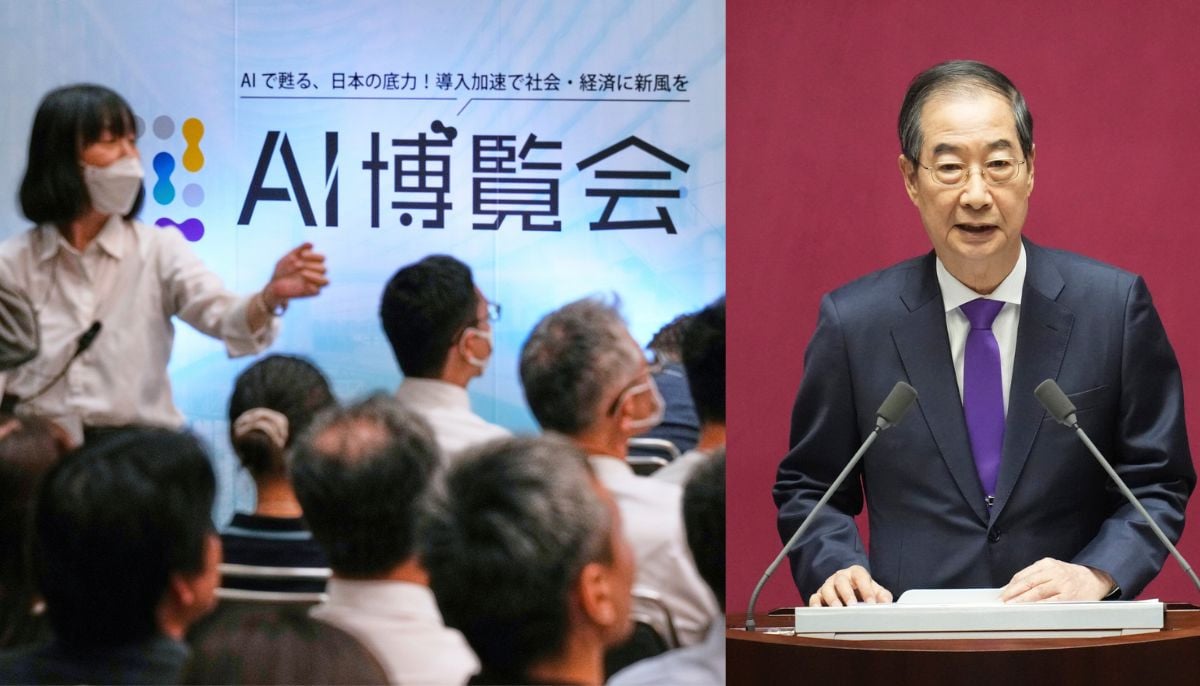 South Korea warns AI wealth gap could fuel labor unrest
 -
 Coros CEO explains why AI voice is the future of sports watches
 -
 Nvidia’s Jensen Huang says $200 billion CPU market forecast includes China
 -
 WiFi tracking tech identifies people with near-perfect accuracy, raising surveillance fears
 -
 Meta layoffs controversy grows after ex-employee’s anti-AI video goes viral