
Kibor drops after SBP 100bps rate cut
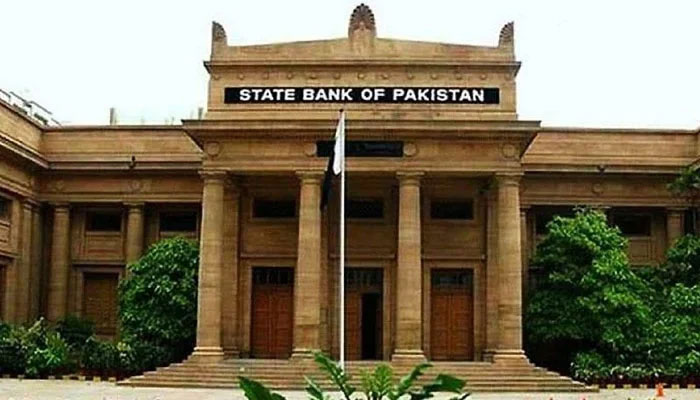
KARACHI: The Karachi Interbank Offered Rate (Kibor) declined across all tenors on Tuesday after Pakistan’s central bank cut the interest rate by more than expected due to an improved inflation outlook and a stable external account.
Kibor represents the average interest rate at which banks are willing to lend money to one another.
According to data from the State Bank of Pakistan, (SBP), the benchmark six-month Kibor fell by 64 basis points (bps) to 11.44 per cent. The one-week Kibor decreased to 11.43 per cent, down from 12.34 per cent on Monday. The two-week Kibor also fell, reaching 11.44 per cent compared to the previous 12.31 per cent. Similarly, the one-month Kibor dropped to 11.47 per cent from 12.24 per cent. The three-month Kibor declined to 11.33 per cent, down from 12.08 per cent. The nine-month rate decreased to 11.53 per cent, falling from 12.26 per cent, while the one-year rate declined to 11.51 per cent, down from 12.26 per cent.
The SBP on Monday lowered its benchmark interest rate by 100bps to 11 per cent, marking the continuation of a series of rate cuts that reduced the rate from a record high of 22 per cent after a brief hold in March. With the current reduction, the policy rate has fallen to its lowest level in three years, resulting in a cumulative cut of 11 percentage points since June 2024.
The SBP’s latest interest rate decision exceeded market expectations, which were largely anticipating either no change or a modest 50bps cut.
“The current monetary policy stance dispels the notion that the central bank is lagging behind the curve. Instead, it signals a decisive pivot towards supporting economic recovery and growth,” said Chase Securities in a note.
The recent decline in Kibor, amid an accommodating monetary policy, is expected to help boost demand for private sector credit in the coming months. According to data from the SBP released on Tuesday, bank lending to the private sector increased to Rs705.2 billion between July 1, 2024 and April 25, 2025, up from Rs208.2 billion during the same period last year.
The credit to the private sector grew by 12.6 per cent year-on-year, reflecting easing financial conditions and improving economic activity, the SBP said in the monetary policy document.
“Specifically, firms in the textile, refinery, and chemical and fertiliser sectors increased their borrowing for working capital during July-March FY25 as compared to the same period last year. Auto financing and personal loans have also risen this year,” it added.







-
 Creators Push ‘human-made’ Labels As AI Content Floods Internet
 -
 Matthew Morrison Reveals Why He Embraced His Most Iconic 'Glee' Covers
 -
 King Charles Leaves Prince Harry 'devastated' With Major Snub After Duke's Olive Branch
 -
 Anna Faris Unveils 'life-changing' Roles As She Prepares To Play Cindy In 'Scary Movie 6'
 -
 AI With Human Traits May Be Safer, Anthropic Study Finds
 -
 Chocolate Prices Climb Across Europe Before Easter
 -
 'Spice Girls' Mel B Breaks Silence On Reunion Tour Rumours: 'A Shock To Me'
 -
 Zara Larsson Schools Critics In Support For Chappell Roan
 -
 Meghan Markle Receives 'Princess' Title After Latest Move
 -
 Ozzy Osbourne's Daughter Kelly Drops Ice-cold Message For Ex-fiancé Slipknot DJ Sid Wilson
 -
 New Covid Variant BA.3.2 Spreads Across US As Experts Stress Vigilance
 -
 Meghan Markle Makes Big Blunder: Here's Why She 'alienated Everyone'
 -
 Pavel Durov: Russia’s Anti-VPN Measures Triggered Payment Failure
 -
 Blake Lively's Statement Sparks Response From Piers Morgan After Her Legal Setback
 -
 50 Cent Shocks Fans With Forgiveness Prayer
 -
 NASA Artemis II Crew To Break Apollo 13 Distance Record