
‘We are turning textile waste into green’
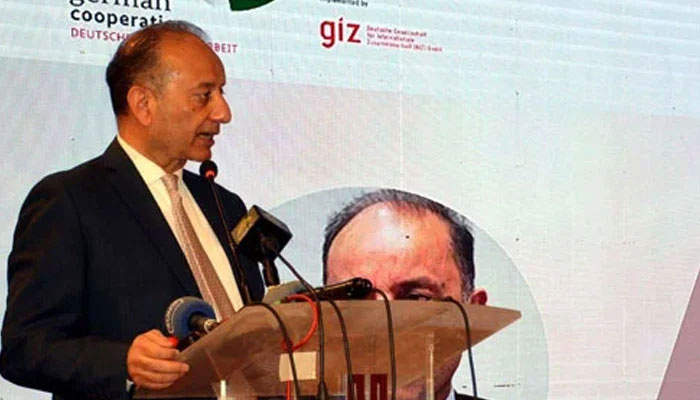
Islamabad : Pakistan is not just importing and exporting used textiles, it is embracing circularity as a cultural and environmental responsibility, said Senator Musadik Malik, Federal Minister for Climate Change and Environmental Coordination.
The Minister was addressing a policy dialogue on ‘Circularity and used textile trade in Pakistan’ organised here by Sustainable Development Policy Institute (SDPI) in partnership with United Nations Environment Programme (UNEP) and European Union.
Unlike the West, which contributed to the rise in waste, Pakistan’s organic traditions already promote reusing and recycling, he said. Only 1% of our secondhand clothing ends up in landfills. This proves Pakistan is already aligned with circularity in spirit. We must now match it with technology, policy and investment.
He emphasised the need to develop green audit capabilities in light of upcoming Carbon Border Adjustment Mechanism (CBAM) requirements by the EU. CBAM will become a hurdle for countries like Pakistan if green infrastructure is not in place. We are not resisting the green agenda, we are adopting it for our future generations. But we will protest any unilateral framework that penalises us despite our cultural legacy of sustainability, he warned. Dr Abid Qaiyum Suleri, Executive Director, SDPI, observed that developing nations have long been dumping grounds for used textiles, carrying the environmental burden. But Pakistan is turning that around, he said adding that we are both an exporter and one of the largest importers of used textiles. Over 99% is reutilised and we should proudly brand our recycled exports as green products, especially as CBAM and carbon-conscious trade reshape global markets, he said.
He added that it's a win-win for countries like Pakistan where 30% of the population wears secondhand clothing annually. We must take pride in turning used textiles into exportable items and label them clearly as recyclable goods. Sheila Aggarwal-Khan, Director, UNEP’s Economy Division, spotlighted the global scale of the issue. The used textile market has the potential to grow from $1.8 trillion to $3 trillion by 2030.







-
 Emma Roberts Stars In 'A Body In The Woods'
 -
 'Our Estrangements Can Kill Us': Meghan's Co-star Weighs In On Anthony Hopkins Interview
 -
 ‘Tone Deaf’ Andrew Called Out Over Arrogant Behaviour Amid Epstein Scandal
 -
 Singing, Dancing & Outperforming: Watch China’s Robot Fair Ahead Of Spring Festival 2026
 -
 WhatsApp Under Fire: EU Steps Up Pressure On Meta Over Claims Of Blocking AI Rivals
 -
 Steven Van Zandt Criticizes Bad Bunny's 2026 Super Bowl Performance
 -
 Katie Price Seen With New Hubby Lee Andrews Weeks After Tying The Knot
 -
 Biggest Order Yet Issued Against Andrew Mountbatten-Windsor: King Charles You Have To’
 -
 ByteDance’s Seedance 2.0 Marks New Era Of Cinematic AI-generated Videos: Here’s How
 -
 Struggling With Obesity? Here's How To Manage It
 -
 How Epstein Scandals Are Impacting King Charles’ Healing As Stress Refuses To Relent: ‘Could Spell His End’
 -
 Why Prince William Releases Statement On Epstein Scandal Amid Most 'challenging' Diplomatic Trip?
 -
 Ciara, Russell Wilson Become Matchmakers For Pals?
 -
 Historic Mental Health Facility Closes Its Doors
 -
 Top 5 Easy Hair Fall Remedies For The Winter
 -
 Japan Elections: Stock Surges Record High As PM Sanae Takaichi Secures Historic Victory