
World food prices rose in February on back of sugar rush, UN’s FAO says
ROME: Global food commodity prices rose in February, driven by higher sugar, dairy and vegetable oil prices, the Food and Agriculture Organisation (FAO) of the United Nations said on Friday.
The FAO Food Price Index, which tracks monthly changes in international prices of globally traded food commodities, averaged 127.1 points last month, up 1.6 per cent from January and 8.2 per cent from February 2024.
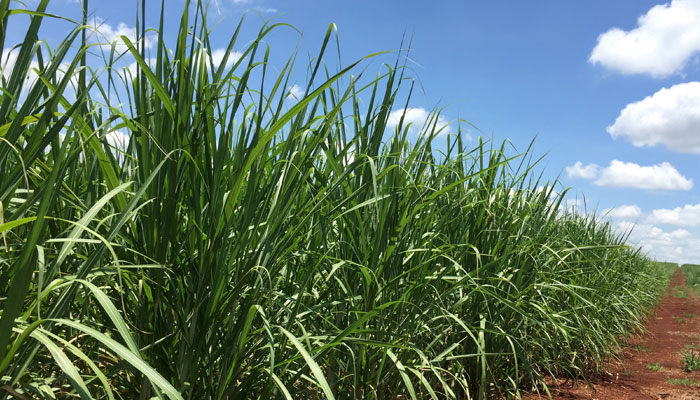
The jump was largely driven by sugar prices, which shot up 6.6 per cent month-on-month, pushed higher by concerns over tighter global supplies for the 2024/25 season, partly because of unfavourable weather conditions in Brazil.
Dairy prices increased 4.0 per cent from January, with all major dairy products rising, spurred on by strong import demand which exceeded production in key exporting regions. Vegetable oil prices rose 2.0 per cent month-on-month and 29.1 per cent year-on-year, largely due to higher prices for palm, soy, and sunflower oils, driven by supply constraints in Southeast Asia and strong demand from the biodiesel sector.
FAO’s cereal price index edged up 0.7 per cent from January. Wheat prices increased due to tighter supplies in Russia and concerns over crop conditions in eastern Europe and north America, while maize prices continued to rise due to tightening supplies in Brazil and strong US export demand. Conversely, world rice prices fell by 6.8 per cent in February.
Meat prices edged down 0.1 per cent on the month. In a separate report, the FAO predicted a modest increase in global wheat production for 2025, estimated at 796 million tonnes, some 1.0 per cent higher than the previous year.
This growth was supported by expected production gains in the European Union, particularly in France and Germany. However, challenges such as dry conditions in eastern Europe and excessive rainfall in western European could impact yields, the FAO warned. In the US, wheat acreage was expected to expand, though yields might decline due to drought conditions.
Rice production was forecast to reach a record high of 543 million tonnes in 2024/25, driven by positive crop prospects in India and favourable growing conditions in Cambodia and Myanmar. The FAO also revised its estimate for global cereal production in 2024 to 2.842 billion tonnes, marginally higher than the 2023 level.







-
 Milo Ventimiglia Calls Fatherhood 'pretty Wild Experience' As He Expects Second Baby With Wife Jarah Mariano
 -
 Chinese Scientists Unveil Advanced AI Model To Support Deep-space Exploration
 -
 Anthropic’s New AI Tool Wipes Billions Off Cybersecurity Stocks
 -
 Trump Announces He Is Sending A Hospital Ship To Greenland Amid Rising Diplomatic Tensions
 -
 'Never Have I Ever' Star Maitreyi Ramakrishnan Lifts The Lid On How She Avoids Drama At Coffee Shops Due To Her Name
 -
 Inside Prince William’s Plans For Prince Harry: What Will Happen To Duke Once He’s King
 -
 Chyler Leigh Pays Moving Homage To 'Grey’s Anatomy' Co-star Eric Dane: 'He Was Amazing'
 -
 Did You Know Tech CEOs Limit Screen Time For Their Own Kids?
 -
 Matthew Lillard Admits Fashion Trends Are Not His 'forte'
 -
 SpaceX Launches Another Batch Of Satellites From Cape Canaveral During Late-night Mission On Saturday
 -
 Princess Beatrice, Eugenie Get Pulled Into Parents’ Epstein Row: ‘At Least Stop Clinging!’
 -
 Inside Kim Kardashian's Brain Aneurysm Diagnosis
 -
 Farmers Turn Down Millions As AI Data Centres Target Rural Land
 -
 Trump Announces A Rise In Global Tariffs To 15% In Response To Court Ruling, As Trade Tensions Intensify
 -
 Chappell Roan Explains Fame's Effect On Mental Health: 'I Might Quit'
 -
 AI Processes Medical Data Faster Than Human Teams, Research Finds