
Cataracts are a growing concern in Pakistan, says AST
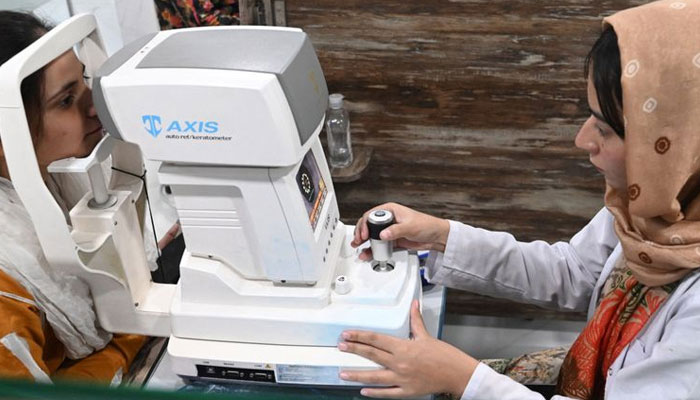
Rawalpindi : Al-Shifa Trust (AST) said on Friday that cataracts are becoming a concern in Pakistan due to uncontrolled diabetes and poor access of the majority of the public to preventive healthcare.
Previously, the treatment was delayed until the problem matured, but new findings suggest that it should now be treated without any delay, it said.
Talking to media men, Professor Dr. Sabihuddin Ahmed, Head of the Cataract Department, Al-Shifa Trust Eye Hospital, Rawalpindi, said cataracts have become a significant health concern as they are affecting many. Many citizens do not take the problem seriously, even though, if not treated properly, it could lead to blindness, he warned.
Apart from diabetes, factors like aging, lack of awareness, malnutrition, prolonged exposure to ultraviolet rays, genetic issues, and late diagnosis are playing a role in increasing the problem, he added.
Dr. Sabihuddin Ahmed said that many individuals delay treatment due to financial constraints or fear of surgery, allowing the cataract to progress to an advanced stage, resulting in complications.
The treatment for cataracts is simple. It takes 10 to 20 minutes to remove the cloudy lens and replace it with an artificial one. However, many people, especially in rural areas, lack access to ophthalmologists and modern surgical facilities, he said.
He noted that government hospitals and charity organizations are crucial in providing free or low-cost cataract surgeries, but long waiting lists and insufficient resources remain challenging.
“We are conducting 70 to 80 operations per day at the Al-Shifa Rawalpindi facility free of any cost,” he informed and added that 80 percent of all the surgeries and treatment in hospitals run by AST are free of cost including facilities in Rawalpindi, Chakwal, Kohat, Muzaffarabad, Sukkar, and Gilgit.
He underlined that raising awareness about early diagnosis and treatment is essential. Regular eye check-ups, wearing UV-protective sunglasses, managing diabetes, and a healthy diet rich in antioxidants can help reduce the risk of cataracts.
Nationwide eye health campaigns, increased government investment in ophthalmic care, and mobile eye clinics can improve early detection and treatment. We need a collaborative effort between healthcare professionals, policymakers, and non-governmental organizations to ensure timely treatment and prevent avoidable blindness, he stressed.







-
 Thomas Tuchel Set For England Contract Extension Through Euro 2028
 -
 South Korea Ex-interior Minister Jailed For 7 Years In Martial Law Case
 -
 UK Economy Shows Modest Growth Of 0.1% Amid Ongoing Budget Uncertainty
 -
 James Van Der Beek's Family Received Strong Financial Help From Actor's Fans
 -
 Alfonso Ribeiro Vows To Be James Van Der Beek Daughter Godfather
 -
 Elon Musk Unveils X Money Beta: ‘Game Changer’ For Digital Payments?
 -
 Katie Holmes Reacts To James Van Der Beek's Tragic Death: 'I Mourn This Loss'
 -
 Bella Hadid Talks About Suffering From Lyme Disease
 -
 Russia Blocks WhatsApp To Promote State App ‘Max’
 -
 EU Leaders Divided Over ‘Buy European’ Push At Belgium Summit: How Will It Shape Europe's Volatile Economy?
 -
 'The Masked Singer' Pays Homage To James Van Der Beek After His Death
 -
 Prince Harry, Meghan Markle Issue A Statement Two Days After King Charles
 -
 Elon Musk’s XAI Shake-up Amid Co-founders’ Departure: What’s Next For AI Venture?
 -
 Prince William, King Charles Are Becoming Accessories To Andrew’s Crimes? Expert Explains Legality
 -
 Seedance 2.0: How It Redefines The Future Of AI Sector
 -
 Andrew Mountbatten-Windsor Still Has A Loan To Pay Back: Heres Everything To Know