
Senate panel orders testing of Rawal Dam water for contamination
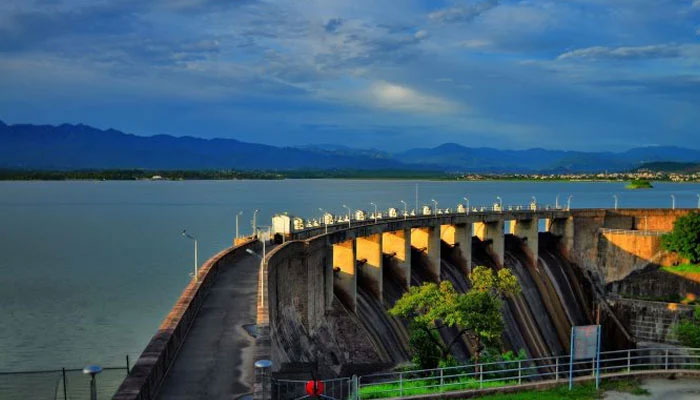
Islamabad: The Senate subcommittee on climate change on Monday ordered the testing of Rawal Dam's water after voicing concerns about increasing fish deaths in the reservoir located in the federal capital.
The committee, formed by the Senate’s standing committee on climate change and environmental coordination to investigate pollution and sewage issues at Rawal Dam, met at Parliament Lodges here with convenor Senator Shahzaib Durrani in the chair.
The other participants included Pakistan Environmental Protection Agency Director General Dr Farzana Altaf, and officials of the climate change ministry and Capital Development Authority. During the meeting, the Pak-EPA chief said that water pollution was raising the chemical oxygen demand, the amount of dissolved oxygen needed to oxidise chemical organic pollutants like oil or petroleum.
She said that higher COD levels indicated the necessity for more oxygen to break down pollutants, often pointing to poor water quality. Dr Farzana also said elevated COD levels could be detrimental to aquatic life, serving as a key indicator of water quality and the potential impact of pollutants.
“High COD levels lead to the death of smaller fish,” she said, referencing the fish deaths at Rawal Dam last year. The DG also said that Rawalpindi’s water supply was halted over reports about the addition of poison to the water.
She said the fish deaths in Rawal Dam were caused by late monsoons and water pollution. Dr Farzana said that Rawal Dam’s water quality was deteriorating due to inadequate waste treatment from surrounding areas.
She acknowledged efforts to install air quality management systems but pointed out that no such systems were in place for water quality management. "Strict monitoring of sewage water is crucial to address the growing pollution in Rawal Dam," she said.
Committee member Senator Naseema Wani raised concerns, noting that while authorities had focused on fish deaths, they had not addressed the impact of contaminated dam water on human health.
She claimed that thousands of citizens were dying from water-borne diseases. Agreeing, Dr Farzana said that water pollution around Rawal Dam was exacerbated by encroachments. She said that the populations of Bani Gala, Bari Imam, and Murree had exceeded 400,000 but still, there were no sewage treatment facilities in those areas.
The DG called for a comprehensive plan to tackle the issue across the entire region. The subcommittee's convenor directed authorities to ensure early testing of Rawal Dam's water for contamination, and said Rawalpindi’s water supply also required examination for the safety of human health.







-
 'Buffy' Star Nicholas Brendon's Death Case Takes Massive Turn
 -
 FKA Twigs Takes Legal Stand Against Ex Shia LaBeouf
 -
 ‘Progressive’ Kate Middleton Snubs Outdated Royal Etiquette
 -
 Kylie Kelce Explains Why She Avoids Raising Kids With 'silver Spoon'
 -
 Meghan Markle Is Above Royal Family ‘empty Threats,’ Says Insider
 -
 Anne Hathaway Opens Up About 'defeated' Feeling As Working Mom
 -
 Shamed Andrew Should Testify In Epstein Case As ‘act Of Service’
 -
 What Really Happened Before Nicholas Brendon Was Found Dead At Home?
 -
 Sarah Ferguson Branded ‘most Famous Missing Person’ In UK Right Now
 -
 Why King Charles Does Not Need A Driving License? Expert Reveals
 -
 Did Graham Norton Really Sign NDAs For Taylor Swift’s Wedding?
 -
 ‘Polite’ King Charles Treats Staff Better Than ‘boorish’ Andrew
 -
 Princess Beatrice's Husband Raises Eyebrows With Deleted Instagram Post
 -
 Dua Lipa 'snubs' Priyanka Chopra
 -
 Will Taylor Frankie Paul Still Get Her 'Bachelorette' Salary?
 -
 'Harry Potter' Returns: First Glimpse Of HBO's New Series