Revolutionary AI tool aims to save more lives by cutting organ transplant waste 60%
This breakthrough will help the thousands of patients globally who are waiting for a live-saving donor
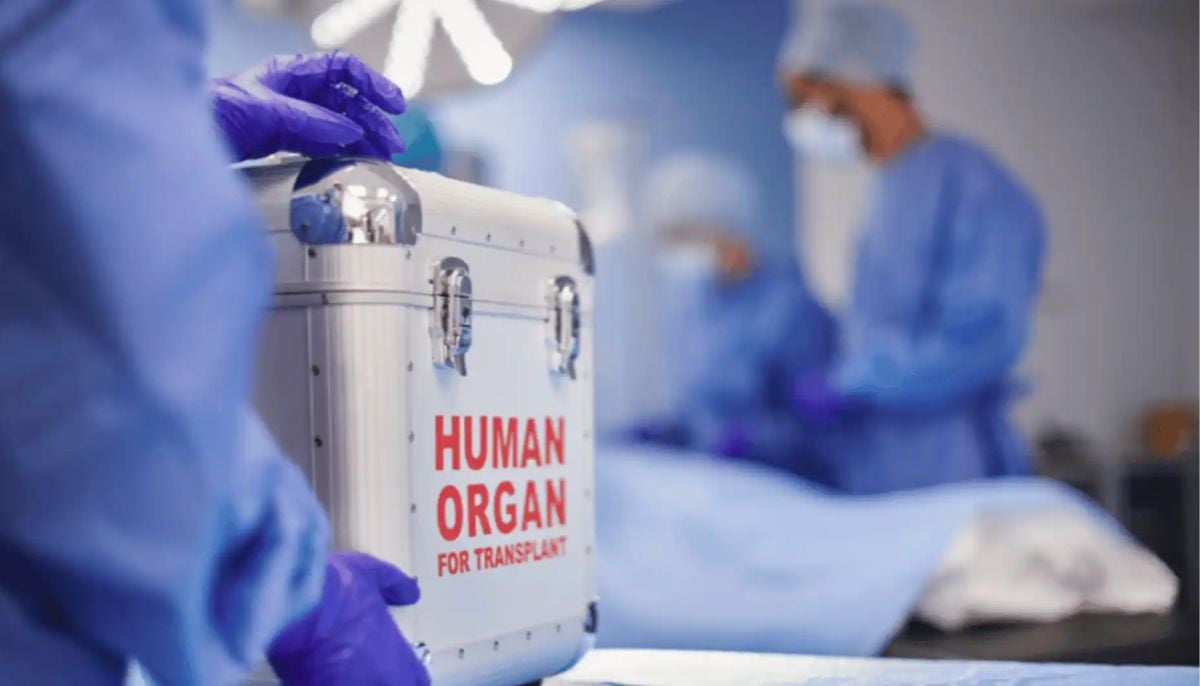
Researchers have developed a cutting-edge AI tool that promises 60 percent reduction in wasted organ transplants.
The newly developed machine learning model is highly valuable for predicting the viability of organ donors by estimating the likelihood of their death within the necessary timeframe for transplantation.
Upon testing, the AI tool outperformed top surgeons’ judgement, thereby leading to 60 percent reduction in organ transplant wastage, such as the cases where a donor dies too late after transplant preparations have begun.
“By identifying when an organ is likely to be useful before any preparations for surgery have started, this model could make the transplant process more efficient,” said Dr Kazunari Sasaki, a clinical professor of abdominal transplantation and senior author on the study.
“It also has the potential to allow more candidates who need an organ transplant to receive one,” he added.
The findings of the study were published in the journal Lancet Digital Health.
This breakthrough will help the thousands of patients globally who are waiting for a live-saving donor. The AI model can also revolutionize organ donation preparation by precisely predicting the death of a donor.
Currently, hospitals heavily depend on the decisions of surgeons, thereby leading to wasteful expenditure and financial strain.
Having been trained on 2,000 donors’ data, the AI tool uses respiratory, neurological, and circulatory metrics to achieve higher precision than human experts.
This tech-driven approach will offer “the potential for advanced AI techniques to optimise organ utilisation from DCD donors”.


-
 Trump open to preemptive pardons for administration officials: What to know
 -
 Selena Gomez ‘knows exactly' how to ‘sell out a room’ for Benny Blanco’s new book
 -
 UK expands Russia sanctions with 31 new measures: Here’s why
 -
 Tokyo court moves to protect human voices from AI clones
 -
 What Rockstar mailed creators: GTA 6 Merch fans now want
 -
 Suspect in Rihanna mansion shooting pleads not guilty to attempted murder
 -
 Inmates say Diddy lives like a king behind bars
 -
 Pete Davidson to critics of Ariana Grande's body