
HEC chief seeks support for research health agenda
Islamabad : Prof. Dr. Tariq Banuri, Chairman of the Higher Education Commission (HEC) Saturday solicited support for a multi-partner agreement that will enable the development of a National Research Health Agenda, for which HEC will provide funding.
Speaking at the inauguration of the two-day National Scientific Congress (NSC) here at Pak-China Friendship Centre, Dr. Banuri said, research priorities for the National Research Health Agenda should focus on curative, preventive, local research and development of national data base. He applauded the efforts of Shifa Tameer-e-Millat University, Shifa International Hospitals, Fauji Foundation Hospital and other stakeholders for organsing NSC and supporting HEC in prioritising quality and relevant research in the country. “Approximately 3 million people are currently enrolled in higher education in Pakistan, and the number is increasing at 10 percent every year,” he took pride in stating. Dr. Banuri invited the organizers of NSC to work for the multi-partner agreement. The HEC chairman inaugurated the following services at STMU and SIH in Pakistan: anti-coagulation registry and national integrated anti-coagulation service, Heart Failure registry and treatment optimization service; National Cardiometabolic Centre; Pulmonary hypertension clinic; Cardiac rehabilitation service; cardiovascular diseases in pregnancy clinic; Drug testing laboratory; and the Journal of Shifa Tameer-e-Millat University. Prof. Muhammad Iqbal, Vice Chancellor if STMU and Chairman of the Congress stated that the healthcare industry is ideally placed to embrace innovations and emerging guidelines to address key medical needs and issues at the national level. He stated that key objectives of NSC are to review the current state of innovation, research, challenges and opportunities in health sector in Pakistan and to explore how national and international stakeholders could collaborate to use NSC as an information hub to be utilized for further research.
The congress hosted parallel sessions on innovation revolving around the use of latest technologies like robotics, cyber knife, palliative care, digital health, etc. At the same time, subject authorities held discussions on integration of different disciplines in order to improve patient and healthcare. NSC is indeed a rare opportunity for health professionals and students to interact with experts from almost all disciplines. In addition to different sessions on cardiology, oncology, surgery, pulmonology, pharmaceutical and rehabilitation sciences; experts from various fields shared latest research in different therapeutic disciplines and innovations in medical procedures.






-
 Nick Jonas Gets Candid About His Type 1 Diabetes Diagnosis
 -
 King Charles Sees Environmental Documentary As Defining Project Of His Reign
 -
 James Van Der Beek Asked Fans To Pay Attention To THIS Symptom Before His Death
 -
 Portugal Joins European Wave Of Social Media Bans For Under-16s
 -
 Margaret Qualley Recalls Early Days Of Acting Career: 'I Was Scared'
 -
 Sir Jackie Stewart’s Son Advocates For Dementia Patients
 -
 Google Docs Rolls Out Gemini Powered Audio Summaries
 -
 Breaking: 2 Dead Several Injured In South Carolina State University Shooting
 -
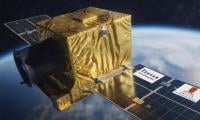 China Debuts World’s First AI-powered Earth Observation Satellite For Smart Cities
 -
 Royal Family Desperate To Push Andrew As Far Away As Possible: Expert
 -
 Cruz Beckham Releases New Romantic Track 'For Your Love'
 -
 5 Celebrities You Didn't Know Have Experienced Depression
 -
 Trump Considers Scaling Back Trade Levies On Steel, Aluminium In Response To Rising Costs
 -
 Claude AI Shutdown Simulation Sparks Fresh AI Safety Concerns
 -
 King Charles Vows Not To Let Andrew Scandal Overshadow His Special Project
 -
 Spotify Says Its Best Engineers No Longer Write Code As AI Takes Over