
IMF agreed to drop agriculture tax: PM
Govt sticks to its promise not to tax agriculture inputs due to existing sector pressures, says PM Shehbaz
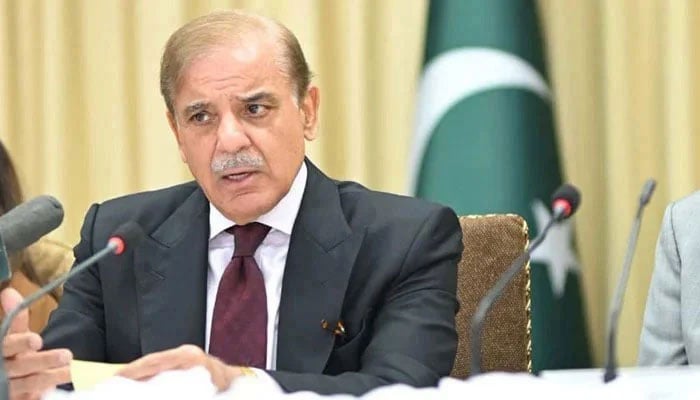
ISLAMABAD: Prime Minister Shehbaz Sharif Wednesday appreciated the International Monetary Fund (IMF) for accepting Pakistan’s request of not imposing tax on agriculture sector, including levy of taxes on fertilizer and pesticides.
“We had made it clear that we will not impose agriculture tax particularly on fertilizers and pesticides as this sector is already under pressure,” he said while chairing the federal cabinet meeting.
Reiterating Pakistan’s complete solidarity with Iran and its people, the prime minister said that Israel had committed a glaring aggression against the brotherly country in which hundreds of people had been martyred leaving hundreds of others injured.
Addressing the federal cabinet meeting, the prime minister said that the very alarming situation emerging out of escalating conflict between Iran and Israel was posing a serious threat to the region and the global peace. He called upon the international community to make efforts for ensuring immediate ceasefire in the ongoing armed conflict.
He informed the cabinet that during the conflict, he had talked to Iranian President Masoud Pezeshkian and condemned Israeli aggression and also talked to the President of Turkiye Recep Tayyip Erdogan over the evolving situation.
He told the federal cabinet that Deputy Prime Minister and Foreign Minister Ishaq Dar would be attending a meeting of the Organisation of Islamic Cooperation (OIC) foreign ministers in Turkiye on June 21-22 where he would reaffirm Pakistan’s stance. “I also talked to the Turkish president on the ongoing situation in the region and his stance is also very clear.”
He said that in the current fiscal budget, only one percent tax would be paid by those earning between Rs600,000 to 120,0000 against the five percent which was imposed last year.
He said allocations for the Public Sector Development Programme had been increased to Rs1,000 billion in the current fiscal budget and hoped that the development budget would be utilised to the maximum.
At the same time, he said the government did not want to deliver like those who had broken the promises and took the country to the verge of default, adding: “Not only that we brought the country out of default in 2023 but now the country is moving forward strongly.”
He said that great victory against India in the armed conflict was made possible due to the professionalism of the armed forces and support of 240 million people of the country.
He said considering the fight against terrorism, the government had increased the fiscal space to meet the requirements of the armed forces with regard to necessary equipment.
Shehbaz also lauded a delegation led by Bilawal Bhutto Zardari for effectively presenting Pakistan’s viewpoint over Indian unilateral and illegal aggression during their visits to the US and Europe.
Talking to the cabinet members, the prime minister appreciated Field Marshal Syed Asim Munir for expressing his resolve to safeguard Pakistan’s interests and geographical boundaries in his address to Pakistani community during his visit to the United States. He also paid tributes to Religious Affair Minister Sardar Yousuf for making outstanding arrangements to facilitate Pakistani pilgrims during the Hajj 2025.
Meanwhile, in a major policy shift to tackle Pakistan’s ballooning power sector circular debt, the cabinet approved a landmark plan to secure Rs1.275 trillion in loans from commercial banks at a record low interest rate — 0.9 percentage points below the three-month Kibor — with the aim of permanently retiring legacy debts without adding pressure on the national exchequer.
For the first time, instead of maintaining the stock of circular debt at a fixed level through temporary measures, the government plans to gradually eliminate it by using this financing facility.


