
UHS approves summer schedule for affiliated institutions
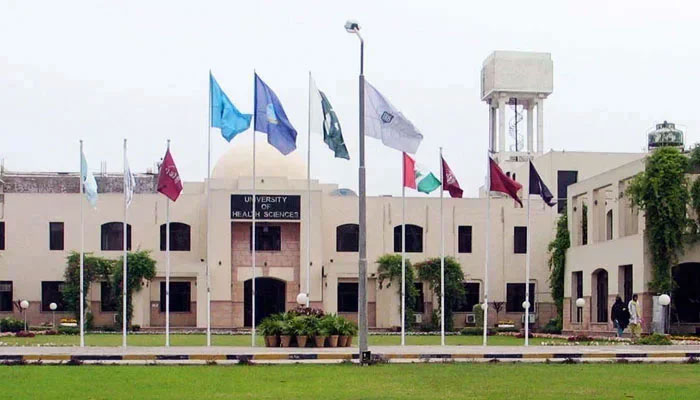
LAHORE:The Academic Council of the University of Health Sciences (UHS) approved the summer vacation schedule for affiliated health institutions including medical and dental colleges across Punjab in a meeting held under the chairmanship of Vice Chancellor Prof Dr Ahsan Waheed Rathore on Wednesday.
More than 200 heads of undergraduate institutions affiliated with UHS, including medical, dental, nursing, allied health sciences, and pharmacy colleges, participated in the meeting. According to a press release issued by the university, second and third-year MBBS students will observe summer break from June 5 to June 19, while fourth and final-year students will have holidays from June 5 to June 26. First-year MBBS students will go on break from July 28 to August 4. For BDS programmes, students in second, third, and final years will have holidays from June 5 to June 26. First-year BDS students, whose academic year began late, will be off from July 1 to July 10. Similarly, students enrolled in Allied Health Sciences, Pharmacy, and Doctor of Physical Therapy (DPT) programmes will observe summer vacations from June 6 to June 26. In another decision, the council also allowed medical and dental college as well as other health education institutions to offer electives and summer school programmes in clinical sciences, research, public health, simulation, and skills labs during the summer break. These programmes will be open to students from across Pakistan.
“These electives aim to provide students with opportunities to develop professional skills in areas of personal interest during the holidays,” said Prof Rathore. The council also approved the establishment of a faculty registration portal, directing all affiliated institutions to ensure that their teaching staff register by July 1. Only registered faculty members will be eligible for appointments as examiners, paper setters, and reviewers. Commenting on the progress of digital transformation at the university, Prof Rathore noted that UHS has phased out the outdated “student clerk” system, and nearly 80% of its operations have now shifted to online portals.







-
 Katie Price Seen With New Hubby Lee Andrews Weeks After Tying The Knot
 -
 Biggest Order Yet Issued Against Andrew Mountbatten-Windsor: King Charles You Have To’
 -
 ByteDance’s Seedance 2.0 Marks New Era Of Cinematic AI-generated Videos: Here’s How
 -
 Struggling With Obesity? Here's How To Manage It
 -
 How Epstein Scandals Are Impacting King Charles’ Healing As Stress Refuses To Relent: ‘Could Spell His End’
 -
 Ciara, Russell Wilson Become Matchmakers For Pals?
 -
 Why Prince William Releases Statement On Epstein Scandal Amid Most 'challenging' Diplomatic Trip?
 -
 Historic Mental Health Facility Closes Its Doors
 -
 Top 5 Easy Hair Fall Remedies For The Winter
 -
 Japan Elections: Stock Surges Record High As PM Sanae Takaichi Secures Historic Victory
 -
 Prince William, Kate Middleton Finally Address Epstein Scandal For First Time: 'Deeply Concerned'
 -
 Kim Kardashian Promised THIS To Lewis Hamilton At The 2026 Super Bowl?
 -
 Andrew Mountbatten-Windsor Throws King Charles A Diplomatic Crisis
 -
 Barack Obama Hails Seahawks Super Bowl Win, Calls Defense ‘special’
 -
 Pregnant Women With Depression Likely To Have Kids With Autism
 -
 $44B Sent By Mistake: South Korea Demands Tougher Crypto Regulations