
The silent storm: Unmasking the crisis of pregnancy loss in Pakistan
Mothers are enduring psychological burdens, often left unacknowledged, untreated, and hidden behind forced smiles and societal roles
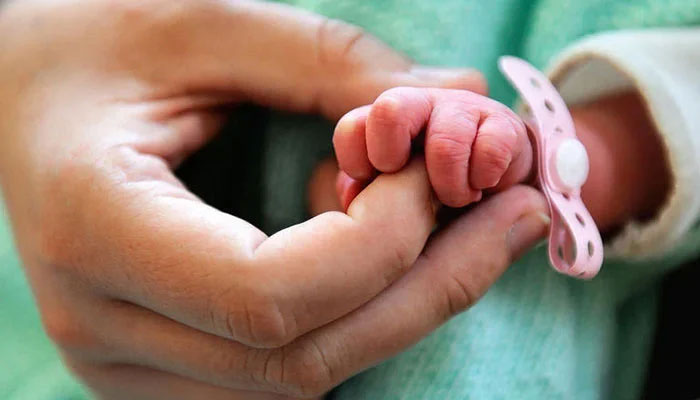
In a society where a woman's worth is often measured by her ability to become a mother, miscarriage is far more than a physical loss-it is an emotional upheaval that fractures multiple dimensions of a woman's life. In Pakistan, this trauma is intensified by cultural stigma, societal expectations, and systemic shortcomings in healthcare, creating a reality where many women are forced to grieve in suffocating silence.
Over the years, in my clinical practice, I have witnessed the invisible wounds miscarriage leaves behind-the breakdown of mental well-being, the quiet torment of guilt, and the deep, unspoken despair. These are not fleeting emotions. They are enduring psychological burdens, often left unacknowledged, untreated, and hidden behind forced smiles and societal roles.
These deeply personal traumas reflect broader trends observed across global and regional research. Studies from both high- and middle-income countries report that approximately 55% of women experience symptoms of depression following miscarriage. Around 27% suffer from perinatal grief-a prolonged mourning process often misunderstood in many societies-and up to 18% report moderate to severe anxiety, frequently accompanied by insomnia and panic attacks. Among women facing recurrent miscarriages, the psychological impact is even more severe, with some studies indicating that over 70% are at risk of anxiety, and more than half may develop clinical depression.
But numbers alone cannot capture the full weight of this suffering. Miscarriage often becomes internalized as a personal failure. Many women are plagued by thoughts such as, "There's something wrong with me," or "I've failed as a woman." These beliefs do not arise in isolation-they are shaped and reinforced by both subtle and overt messages from family members, community elders, and even healthcare providers.
This internalised grief extends its reach-into marriages, self-perception, and future parenthood. I have seen relationships unravel, not from a lack of love, but from a shared sorrow that remains unnamed and unspoken. Couples often grieve side by side, yet remain emotionally worlds apart. Some women are urged to "move on" within days, as if their pain were an inconvenience. Others are quietly cast aside-as though their loss has diminished their worth.
Outside the home, the scrutiny often intensifies. Extended families and communities frequently, though unintentionally, become amplifiers of grief. The damaging narrative of "It was your fault" attributes miscarriage to a woman's perceived negligence-whether due to diet, activity, spiritual shortcomings, or even the evil eye. I have sat with women whose grief was dismissed as superstition, their pain silenced by religious platitudes, or worse, met with indifference. In many households, miscarriage is not acknowledged as loss-it is treated as shame, something to be hidden. A 2022 study found that 65% of women who miscarried were advised to stay silent for fear of social judgment. The message is clear: conceal your sorrow, or risk being cast out.
This culture of silence is mirrored within our institutions. The very systems meant to offer care often deepen the wound. Pakistan continues to grapple with one of the highest infant mortality rates globally-51.5 deaths per 1,000 live births-making pregnancy loss tragically common. Yet even in this context, miscarriage is often met with clinical detachment rather than compassion. Women routinely recall being brushed aside by healthcare providers, offered hollow reassurances like "It's God's will" or "These things happen." While perhaps meant to console, such responses strip women of their right to grieve. They reinforce the notion that this pain is a solitary burden to be carried in silence. Mental health support-still largely absent from maternal care-remains an unmet, urgent need.
If you've read this far, then you, too, have walked a little way into this silence with me. What we are facing is not just a personal tragedy-it is a systemic failure cloaked in cultural quiet. And yet, I believe change is possible. I have seen it-in the brave words of a mother who breaks her silence, in the compassion of a young doctor who chooses to sit beside, not above.
To truly address this crisis, we must act on three critical fronts:
* First, we must humanise clinical encounters. Healthcare professionals need training not only in medical care but in trauma-informed communication. Rather than offering platitudes, providers should validate emotional suffering and allow space for grief. A simple phrase like "Your grief is real, and it matters" can shift the trajectory of healing. Let empathy replace efficiency in the consultation room.
* Second, we must reshape public narratives. Miscarriage must be acknowledged publicly as a medical event-not a moral failure, not divine punishment. Through media, mosque sermons, and community dialogues, we must dismantle harmful myths and replace them with compassion and truth. Storytelling is a powerful tool-television dramas, talk shows, and editorials can give voice to the silenced, challenge stigma, and foster understanding.
* Finally, we must institutionalize mental health support. Psychological care must be integrated into maternal health services. Every woman who experiences miscarriage should have access to trained counselors-within hospitals, through tele-health platforms, and in community settings. The frameworks exist; what we now need is collective will and political commitment.
This is about more than healthcare-it's about dignity, identity, and the kind of community we aspire to be. When a society learns to hold space for grief-through doctors who listen, families who stand beside rather than in judgment, and systems that meet sorrow with support-we don't just change how miscarriage is treated. We transform how loss is understood. And that changes everything.
A meta -analysis of 43 studies in Pakistan found that 37% of women experience antenatal depression (during pregnancy) 30% of women experience postnatal depression (after childbirth)
(Source: Atif et al., 2021, Journal of Affective Disorders)
Globally, around 10% of pregnant women and 13% of postpartum women experience mental health disorders, mostly depression (WHO).
Nawal Nasir is a clinical psychologist and the Community Mental Health Lead at Savaira, a mental health organisation providing trauma-informed psychological care across Pakistan.
As a member of the Pakistan Mental Health Coalition (PMHC), she chairs the Youth Mental Health Subcommittee and advocates for equitable, culturally responsive access to mental health care. Nawal's work combines clinical expertise, public advocacy, and grassroots empowerment, striving to reshape mental health narratives and foster community resilience.







-
 Melania Trump Appears With Humanoid Robot At White House
 -
 ‘Addictive By Design’: Meta, YouTube Found Liable In Historic Verdict
 -
 Bruce Willis' Mom Marlene Makes Another Family Amid Son's Battle With Dementia
 -
 Roblox Safety Warning For Parents: Developer Says Kids Need 24/7 Monitoring
 -
 Chelsea Handler Explains Why She Dates Younger Men
 -
 Chappell Roan's Security Guard Takes 'full Responsibility' For His Interaction With Jorginho's Daughter?
 -
 Rosalía Cuts Concert Short Over Sudden Illness, Fans Shocked
 -
 'Buffy' Star Nicholas Brendon's Death Case Takes Massive Turn
 -
 FKA Twigs Takes Legal Stand Against Ex Shia LaBeouf
 -
 ‘Progressive’ Kate Middleton Snubs Outdated Royal Etiquette
 -
 Kylie Kelce Explains Why She Avoids Raising Kids With 'silver Spoon'
 -
 Meghan Markle Is Above Royal Family ‘empty Threats,’ Says Insider
 -
 Anne Hathaway Opens Up About 'defeated' Feeling As Working Mom
 -
 Shamed Andrew Should Testify In Epstein Case As ‘act Of Service’
 -
 What Really Happened Before Nicholas Brendon Was Found Dead At Home?
 -
 Sarah Ferguson Branded ‘most Famous Missing Person’ In UK Right Now