
Nasir unveils plan to provide solar power to 500,000 households
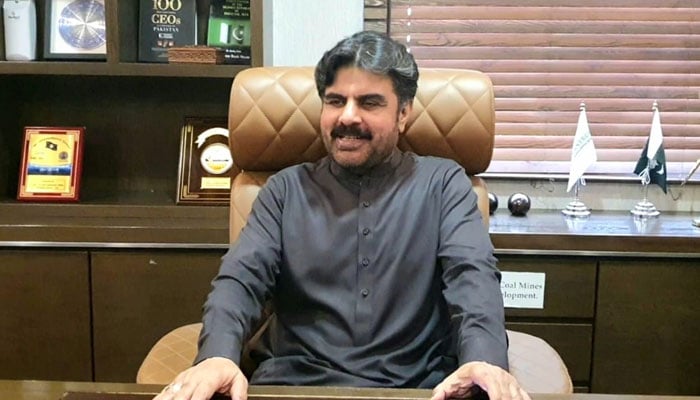
The newly appointed Sindh Energy Minister Syed Nasir Hussain Shah has disclosed that approximately 500,000 households in Sindh were without access to electricity.
In response, the Sindh government intends to implement initiatives to offer solar power solutions to these households. Speaking to media representatives recently, Shah outlined plans to construct solar parks across various cities, aiming to provide free-of-charge electricity to underprivileged consumers in the province.
He elaborated on exploring different options to fulfil the election promise made by Pakistan Peoples Party (PPP) Chairman Bilawal Bhutto Zardari of providing 300 units of electricity free of charge to impoverished consumers. Shah emphasised the Sindh government's desire for provinces to be permitted to establish solar power parks with capacities of 500 or 1,000 MW, surpassing the current limit of 50 MW.






-
 Barry Keoghan Makes Rare Confession About Jessie Buckley's 'Hamnet' After Her Oscar Win
 -
 AI Use Among US Doctors Surges, Survey Finds
 -
 Meghan Markle’s ‘danger’ To Prince Harry Comes Out: ‘No One Wants Association With Your Wife’
 -
 Smartphone Use On Toilet Linked To Increased Health Risk
 -
 Inside TikTok-Meta Algorithm War: How The Race For Engagement Is Putting Users At Risk
 -
 How Brooklyn Beckham Feels About His Family 'crossing Boundaries' With 27th Birthday Tributes
 -
 Global Push Grows For ‘Human-Made’ Labels As AI Use Expand
 -
 Paul Thomas Anderson Shares His 'heroic' Take On 'One Battle After Another' Criticism
 -
 Andrews’ Daughters Princesses Beatrice, Eugenie Finally Receive Respite Amid Calls To Strip Them Too
 -
 Are Babies Growing Up On Screens? 75% Of Infants In England Get Daily Screen Time
 -
 EU Updates AI Act, Rules Delay Until 2027
 -
 Conan O'Brien Breaks The Internet With Epstein File Joke At 2026 Oscars
 -
 King Charles Disappoints Kate Middleton While Everyone’s Under Enormous Strain
 -
 Jessie Buckley Makes Excited Plea To Husband After Winning Best Actress Award At Oscars
 -
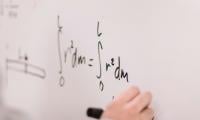 AI Cracks Two-decade-old Math Problem, Shocks Mathematician
 -
 Jimmy Kimmel Fires Shots At Donald And Melania Trump While Presenting At Oscars