
ICC introduces new changes to playing conditions
Under the new guidelines, when a batter is out caught, the new batter will come in at the striker’s end
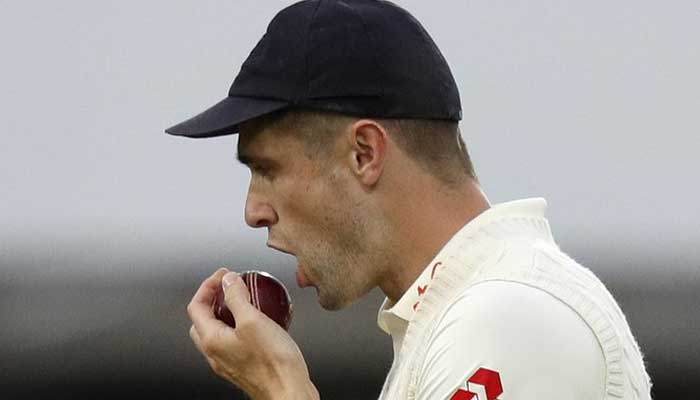
In a bid to cope with the new challenges, the International Cricket Council (ICC) has introduced fresh changes to the playing conditions, including a permanent ban on the use of saliva to shine the ball.
The new changes will come into effect from October 1 and the upcoming T20 World Cup scheduled to be held in Australia will be played under the new laws.
The main changes are as under:
Use of saliva:
The ban on the use of saliva, which was imposed temporarily for a period of two years to avoid COVID-19 transmission, has now been made permanent.
During the saliva ban, the players resorted to the use of sweat to shine the ball, which has proven to be effective.
New batter to come in at striker’s end
As per the news laws, when a batter is out caught, the new batter will come in at the striker’s end, regardless of whether the batters crossed prior to the catch being taken.
Previously, in case the batters crossed before a catch was taken, the non-striker would take strike the next ball while the new batter would come in at the non-striker's end.
Two minutes’ time for incoming batter
Instead of three minutes, an incoming batter will now be required to be ready to take strike within two minutes in Tests and ODIs, while the current threshold of 90 seconds in T20Is remains unchanged, said the ICC.
Five penalty runs
According to the new laws, any unfair and deliberate movement while the bowler is running in to bowl could now result in the umpire awarding five penalty runs to the batting side, in addition to a call of dead ball.
Run-out
The playing conditions follow the laws in moving this method of effecting a run out from the ‘unfair play’ section to the ‘run out’ section.
Previously looked down as unfair play, running out a non-striker for backing up too much will now be considered as a regular run-out.
Dead ball
Previously, a bowler who saw the batter advancing down the wicket before entering their delivery stride, could throw the ball to attempt to run out the striker. As per the new laws, this practice will now be called a dead ball.





-
 Winter Olympics 2026: When & where to watch the iconic Ice dance ?
 -
 Winter Olympics 2026: Milan protestors rally against the Games as environmentally, economically ‘unsustainable’
 -
 How long is the Super Bowl? Average game time and halftime show explained
 -
 James Pearce Jr. arrested in Florida after alleged domestic dispute, Falcons respond
 -
 Cavaliers vs Kings: James Harden shines late in Cleveland debut win
 -
 2026 Winter Olympics snowboarding: Su Yiming wins bronze and completes medal set
 -
 Inter Miami vs Barcelona SC recap as Messi shines with goal and assist
 -
 Jailton Almeida speaks out after UFC controversy and short notice fight booking