Cost of living crisis deepens as fuel price surge pushes UK inflation to 10-month high of 3.5%
Surging motor fuel costs push the Consumer Prices Index to a 10-month high, sparking renewed debate over a potential interest rate hike by the Bank of England

The UK’s annual inflation rate accelerated to 3.5% in September from 3.1% in August, exceeding analyst expectations of 3.4% and reaching a 10-month high, according to the Office for National Statistics (ONS).
The increase was driven primarily by rising transport and motor fuel costs, with average diesel prices reaching their highest level since July 2022 amid soaring petrol and diesel prices linked to the US-Iran war.
Transport prices rose 6.6% year-on-year, up from 4.6% in August, making the sector the largest contributor to the increase in annual inflation, the ONS said.
Services inflation also accelerated to 3.7%, while housing and household services and communication costs rose 5.3% and 5.8%, respectively. Food inflation remained unchanged at 1.3%.
Core CPI inflation increased to 2.8% from 2.6%. On a monthly basis, consumer prices rose 0.4%, following a 0.5% increase in August.
The higher-than-expected reading comes a week before the Labour government presents its annual budget on 28 October, with cost-of-living pressures expected to remain a key concern.
Danni Hewson, head of financial analysis at AJ Bell, said the energy price cap rose slightly in October, with households facing the prospect of a larger increase early next year.
She added that rising service costs, raw material prices and transportation expenses were adding to businesses’ costs.
“The knowledge that funding our lives is only going to get harder in the coming months will impact consumer confidence,” Hewson said.
The latest figures could complicate the Bank of England’s efforts to control inflation. The central bank is widely expected to consider raising interest rates at its meeting on 5 November, potentially marking its first increase since 2023.
Renewed inflationary pressures have also raised concerns about monetary policy in other major economies, including the United States and the eurozone.



-
 Ukraine’s Zelenskyy backs ceasefire, calls for fresh talks with US and Russia
-
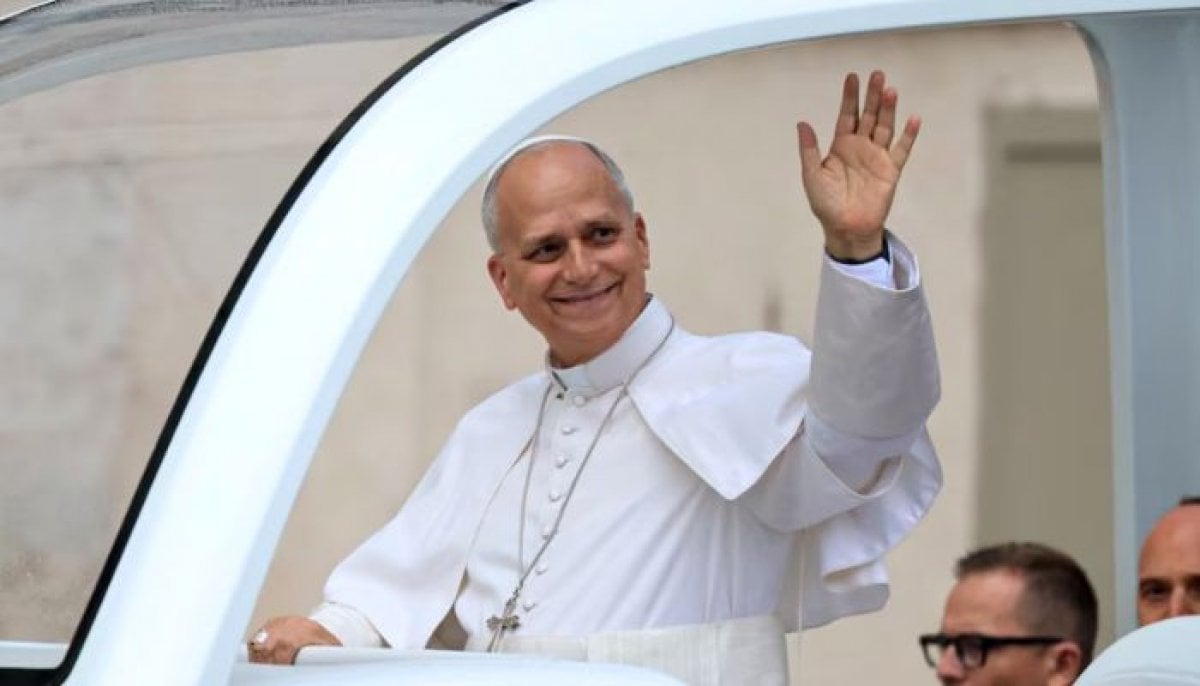 Pope Leo XIV rides popemobile for first time since lung cancer surgery
-
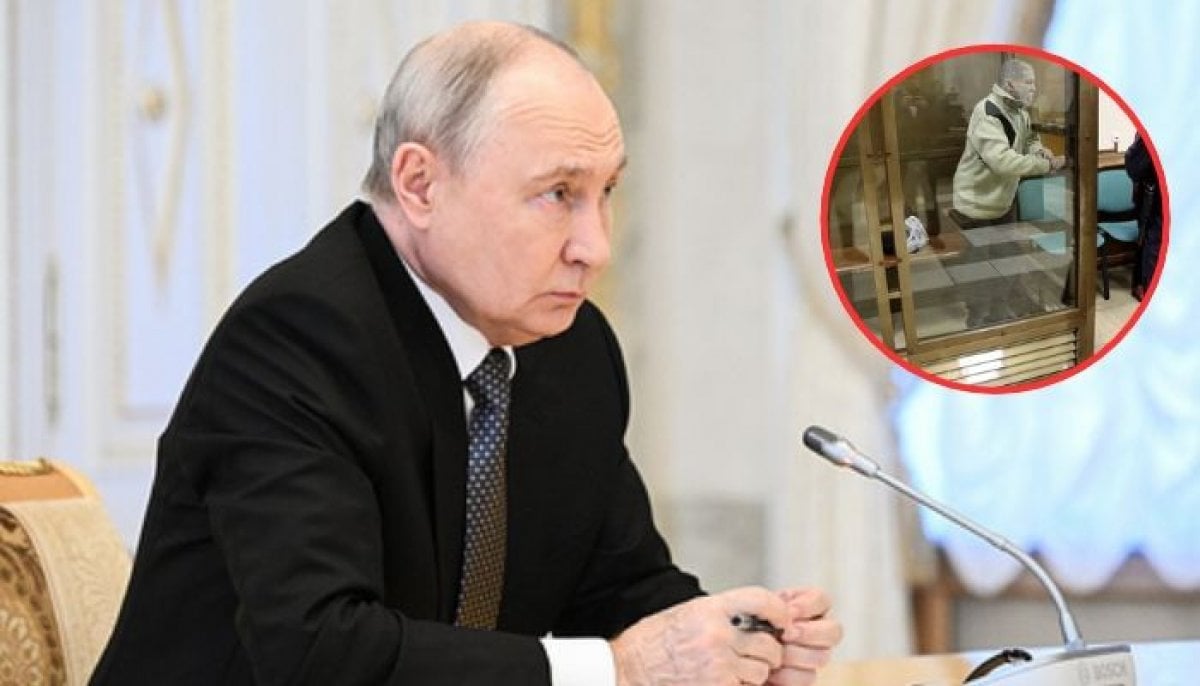 Russia frees 74-year-old US citizen Stephen Hubbard as Putin-Witkoff meeting continues
-
 UK approved Jackdaw gas field: What it means for Britain climate goals
-
 One dead, one missing after French Mirage 2000D fighter jet crashes in training flight
-
 EU parliament approves sweeping passenger rights overhaul to guarantee 14-day travel refunds
-
 Who ordered Starlink slowdown in Ukraine? New report reveals Elon Musk’s role
-
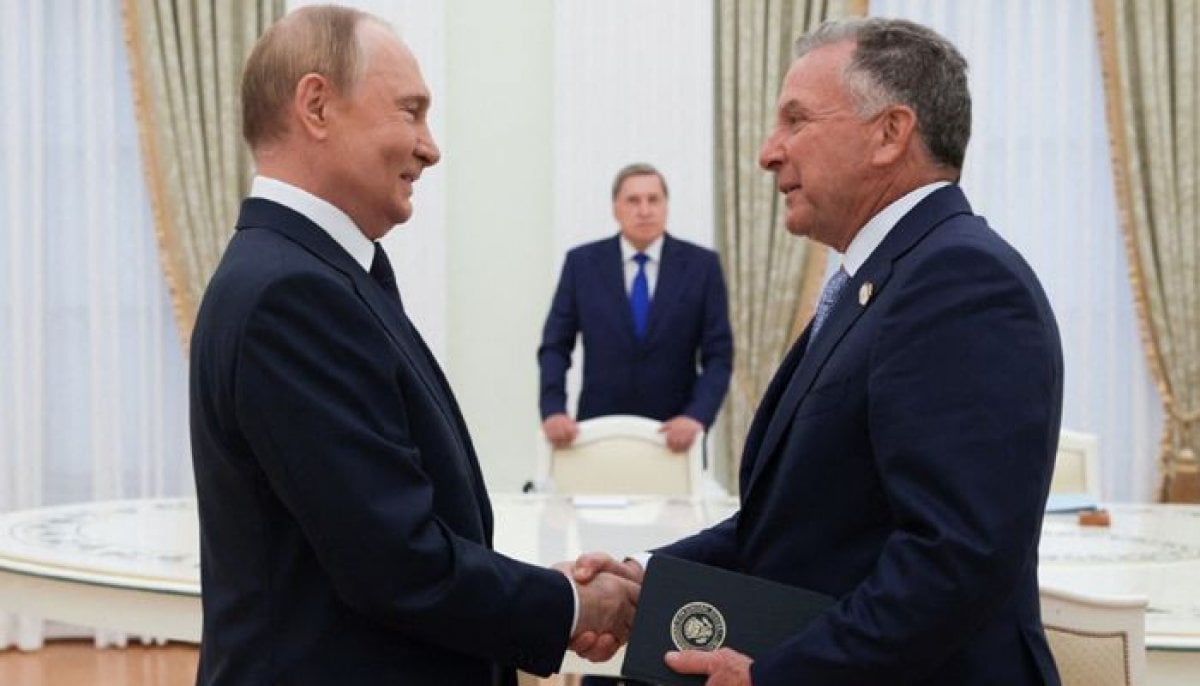 US envoy Witkoff heads to Russia for Putin meeting after ‘positive’ talks with Zelenskyy
-
 Abdul El-Sayed heckler linked to Republican strategist that was paid $250K to oppose him
-
Flights to Europe could get more expensive in 2027 as fuel costs surge, Ryanair warns
-
CNN threatens to sue Trump administration again over Air Force One press ban
-
Attack on Australian MP Helen Haines highlights escalating threats to public figures