
Why Argentina is seeking a tribunal order against UK oil activity near Falklands
Argentina’s government has filed a request for provisional measures to prevent the UK from exploiting hydrocarbons
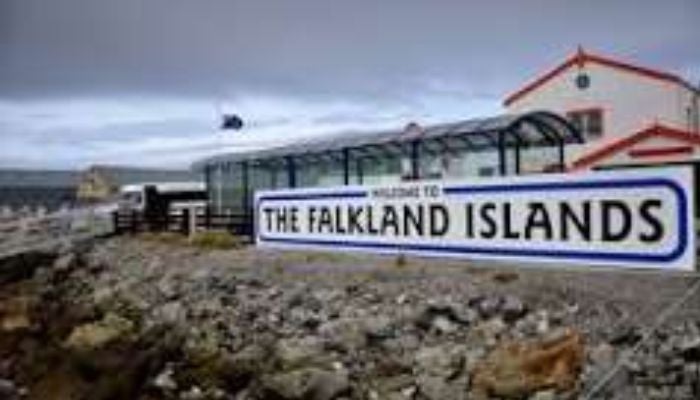
Argentina’s government has reportedly filed a request on Tuesday for interim measures with the International Tribunal for the Law of the Sea in an effort to pause British-authorized hydrocarbon activity near the Falkland Islands.
The government added in a statement that the request seeks to prevent the United Kingdom from marine-based subsurface hydrocarbon harvesting on the Northern shelf of the Northern Falklands Basin.
The government further clarified that the filing seeks to defend Argentina’s maritime sovereignty and prevent activities from authorized unilaterally and illegally by the United Kingdom.
Meanwhile, tensions between Argentina and the UK over the governed territory that is controlled by Britain but contested by the South American nation have intensified.
The government’s proposal would impose stricter sanctions against individuals engaging in prohibited conduct linked to natural resources in the Falklands and in Argentina’s maritime spaces without approval from Argentine authorities.
Notably, the new bill has yet to be approved by Congress and strives to transform the 2011 rigorous regulatory regime. Furthermore, the British government stands resolute in the face of any threats and has protected the democratic self-determination of the Falkland population.


-
 'Below Deck' alum Joao Franco held in Turkey after store fight leaves teen dead
-
 Democrats propose AI training permits with up to 20 years in prison
-
 Russia approves crypto trading on exchanges starting November 22
-
 Travis Kelce eyes Taylor Swift’s creative side for major event
-
 Elon Musk recalls SoftBank’s WeWork bet and Tesla stake: Here’s why
-
 GTA 6 causes major internet issues as players rush to preload
-
 Why GTA 6 backflip in Rockstar's new trailer has fans talking?
-
 Qestr becomes first humanoid robot to enter Antarctic ultra-marathon before batteries fail in -24°C cold