South Korea reveals why Zelenskyy disclosed secret POW transfer
South Korea National Intelligence Services held a closed-door meeting with parliament committee on POW matter
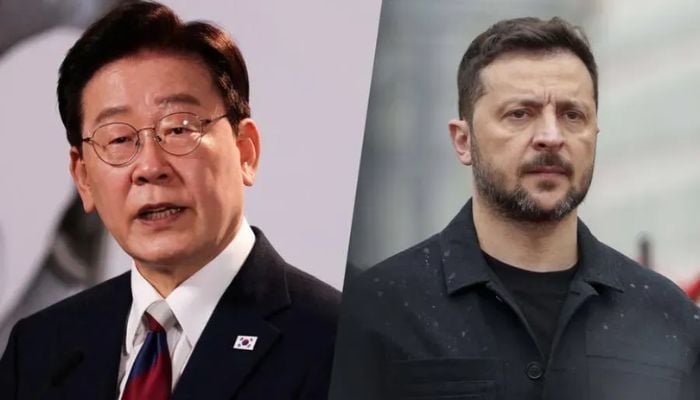
South Korea’s spy agency has revealed Ukrainian President Volodymyr Zelenskyy’s motive behind unilaterally disclosing secret transfer of two North Korean prisoners of war to Seoul.
As per the South Korea National Intelligence Services assessment Zelenskyy’s recent revelation was likely meant to generate public support in the Asia democracy for greater assistance to Ukraine.
In a closed-door meeting with a parliament committee on Wednesday, the spy agency assessed that disclosure was a bid to rally public support “in South Korea in favor of supplying weapons and other assistance to Ukraine,” as confirmed by lawmaker Yoo Yeong-ha who attended the meeting.
Earlier, South Korea’s presidential office demanded an apology from Ukraine, but no apology and official explanation have yet been issued from Kyiv authorities or unofficial channels, Yoo said.
However, it is not clear yet how the intelligence service made its assessment.
South Korea has provided humanitarian aid and support to Ukraine but continues its policy of refraining from sending weapons to countries actively engaged in conflict.
Zelenskyy publicly revealed the transfer during his UN General Assembly address, which South Korean President Lee Jae Myung’s administration stated violated a mutual nondisclosure agreement. However, Kyiv denied the existence of such an agreement.
Two North Korean soldiers were captured on the Russia-Ukraine battlefield in early 2025 after being deployed to support Moscow. Seoul and Kyiv later arranged a confidential transfer.
Speaking about North Korea’s response, Pyongyang has not yet publicly commented on this transfer issue.


-
 Ron Duguay, former New York Rangers forward, dies after cancer battle
 -
 Kathy Hochul gets campaign boost from NYC Mayor Zohran Mamdani ahead of midterms
 -
 Abdul El-Sayed and Mike Rogers clash over Trump, patriotism in Michigan Senate debate
 -
 Russia attacks Kyiv hours after peace talks announcement, killing two and injuring 22
 -
 Macron vows to ban non-union protests, blames ultra-left groups as unrest grips France
 -
 Trump's massive DC arch could begin construction days after US midterm elections
 -
 Putin-Witkoff meeting: 5 key takeaways on Ukraine peace talks
 -
 Sheriff Chris Nanos insists Nancy Guthrie was taken alive
-
 Yankees extend Brian Cashman's tenure after another disappointing playoff exit
 -
Poland's abortion ban faces new challenge as lawmakers vote to loosen restrictions
-
New York Democrat Brad Lander released after detention in West Bank
-
Ohio chemical tank explosion triggers mass evacuations and shelter-in-place orders in Toledo