China overtakes US as top workplace for AI researchers
Carnegie China's study found China employed 41% of elite AI researchers last year, versus 34% in the US
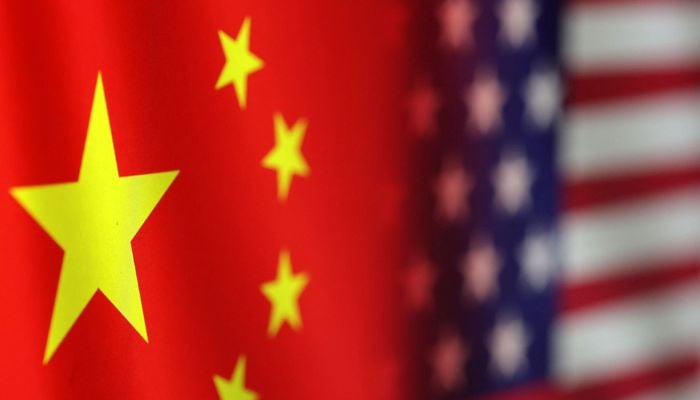
Silicon Valley's pull on China's top AI minds is fading fast. A new study from think tank Carnegie China shows China employed 41% of the world's leading AI researchers last year, edging past the US at 34%, a sharp reversal from 2022, when the US held a commanding 46% over China's 27%.
Carnegie China director Damien Ma, who co-authored the report with Yang Binyi, described the shift as both a push and a pull. China has built what he called a "formidable" AI industry through companies like DeepSeek and Moonshot AI, where compensation now runs "pretty comparable" to Silicon Valley salaries.
Moonshot AI's CEO Yang Zhilin exemplifies the trend himself, having earned his PhD at Carnegie Mellon before returning to China to launch his company.
The study, titled "Who's ahead in the global AI talent race?", analysed 10,280 researchers representing roughly 40% of authors accepted at the 2025 Conference on Neural Information Processing Systems, one of machine learning's top academic gatherings.
However, the study revealed that 57% of top-level AI researchers have an undergraduate degree from China last year, 11 points more than in 2022, whereas only 13% have a US undergraduate degree.
Furthermore, retention levels have improved; for example, 69% of researchers with a Chinese undergraduate degree remained in their home countries last year, compared to 57% in 2022, thanks to improved domestic opportunities and tightened US visa policy.
Although China has succeeded in improving its situation, the United States is still the leader in attracting researchers who move to other countries, while the number of researchers based in the US with a Chinese undergraduate degree increased by 4 percentage points last year.
The visa process for Chinese students from universities that are connected to China’s military-civil fusion policy has been tightly controlled by Washington in the past, while China has imposed new exit restrictions since September 15 for individuals that contravene export controls.


-
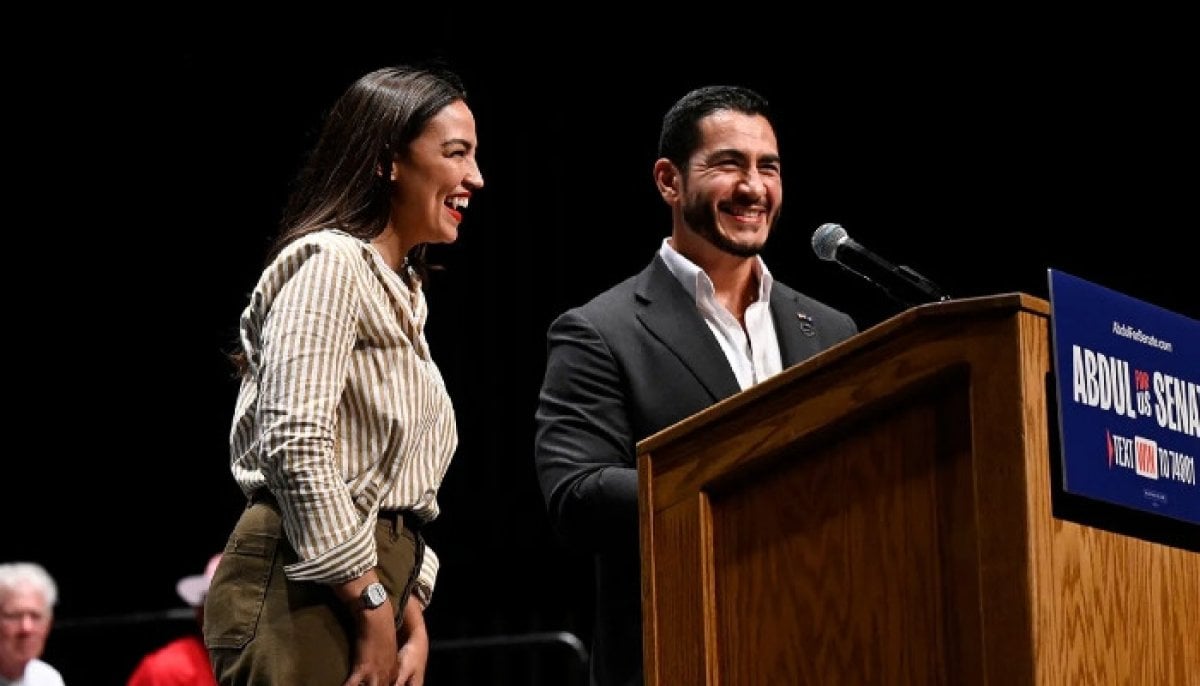 AOC calls for political unity while campaigning for Abdul El-Sayed in Michigan
 -
 Ukraine resumes Russian oil strikes amid Starlink restrictions and US intelligence concerns
 -
 Trump's ambassador tells Canadian politicians to keep their ‘nose out’ of US elections
 -
 Carney says Canadian security agencies monitoring foreign interference ahead of Alberta vote
 -
 Nicolás Maduro and wife plead not guilty to new torture allegations in US court
 -
 England issues severe drought declaration following driest months in a century
 -
 Texas faces voting rights lawsuit after 600,000 registrations caught in IT failure
 -
 Illinois teen accused of plotting mass shooting at Hindu temple after co-workers alert police
-
 Trump approval rating hits new low as Democrats lead Republicans by nine points
 -
Trump overrules Pete Hegseth's plan to livestream Fort Hood gunman's execution
-
William Chapman, the man killed by tiger at Yorkshire zoo had schizophrenia, inquest told
-
Trump says execution of Nidal Hasan will not be livestreamed