El Nino could claim 451,000 lives by February 2027: Which countries face the biggest risk?
This climate change-driven El Nino event leads to 44 percent more extremely hot days than a typical year
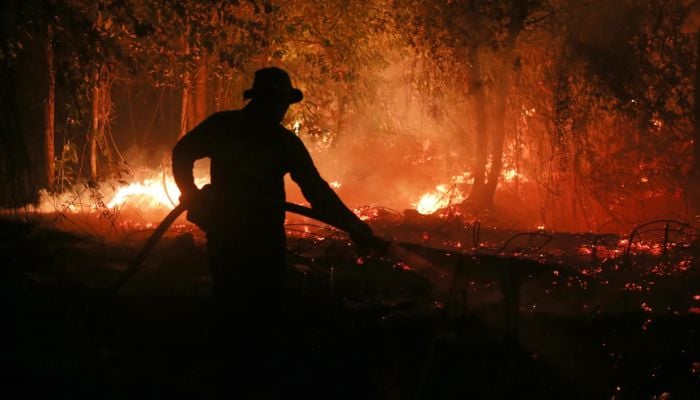
In a recent research report, the climate scientists are sounding alarm over the life-threatening human cost driven by a massive El Nino in the next six months.
The grim warning came from the University of Chicago-based Climate Impact Lab whose prediction warns that as many as 451,000 more heat-related deaths could be attributed to El Nino between June and end of February 2027.
The Global South is expected to be hit hard with this climate change-driven disaster. Developing nations will bear the heaviest brunt of intense heat, particularly regions already hot and poor with limited access to healthcare and air conditioning.
“The estimate of 451,000 people is such a large number that it can be numbing, but it is made up of parents and children, grandparents and neighbours, people going to work, caring for families, and living their lives,” said Prof Michael Greenstone, co-founder of the Climate Impact Lab and at the University of Chicago, who co-authored the report.
The hardest-hit countries or regions
Speaking about the countries which will be more vulnerable to such intense heat and heat-related deaths, the list includes the tropical nations of Nigeria, Indonesia, Sudan, Brazil, and India.
It will also not spare the US with projected 3500 additional heat deaths.
- The Sahel region in Africa and south-east Asia are heavily impacted with 66,800 expected additional deaths.
- Southeast Asia (Philippines, Vietnam, Thailand, Cambodia) with 19,400 additional deaths.
- Indonesia: 19,300 additional deaths
- India: 15,800 additional deaths
- Brazil: 13,300 additional deaths
This climate change-driven El Nino event is occurring on top of human-caused global warming, leading to 44 percent more extremely hot days than a typical year. As per the scientists’ warning the rapid increase in temperature is expected to become common 20 years from now, reflecting the harsh climate reality.
Speaking about the precautions, the researchers advised the government to implement heat-warning systems, cooling centers, protection for outdoor workers and early outreach to vulnerable communities.
The report calls for pre-disaster funding so resources can be deployed before dangerous heatwaves peak.


-
 Indonesia ferry disaster: Death toll rises as search continues for over 120 missing passengers
 -
 Modi to visit Canada in December as Carney signals progress on India trade talks
 -
 US citizen injured after ICE agents mistake him for fugitive in Chicago suburb
 -
 Mexico on alert as Hurricane Polo reaches Category 5 strength
 -
 Tucson police arrest five teens after stolen car incident and recover replica handgun
 -
 Net zero may not end climate inequality for poorer nations, research warns
 -
 Kamala Harris rallies behind progressive Abdul El-Sayed in Michigan Senate battle
 -
 Republican senator calls for investigation into Trump family business dealings: What to know