Trump mail ballot order blocked by second Federal Judge as US Supreme Court prepares to weigh in
A federal judge issues a fresh injunction halting the postal service from enforcing new mail-in voting restrictions as midterm elections approach
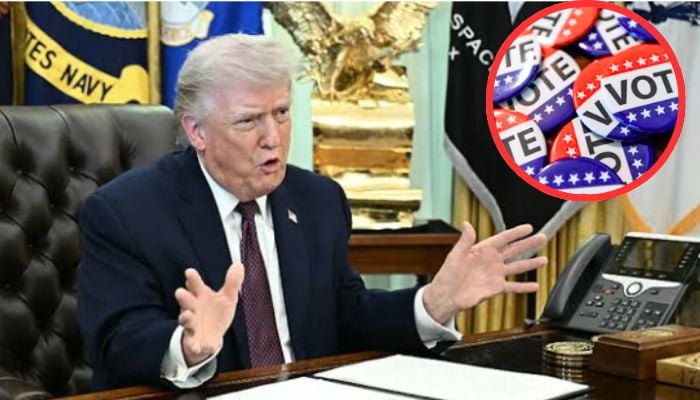
In a latest update, U.S. Federal district judges have intensified a high-stakes legal battle over voting rights by issuing fresh injunctions to freeze President Donald Trump's executive order limiting mail-in balloting for the upcoming midterm elections.
As reported by Reuters, a second federal judge late on Sunday prevented President Donald Trump's administration from implementing a new U.S. Postal Service rule that would tighten mail-in voting requirements, though the U.S. Supreme Court is still weighing the administration's request to overturn a separate order blocking the rule.
The controversial Postal Service regulations require states to meet strict pre-approval standards and upload voter identities to an online portal, drawing swift pushback from civil rights groups and state officials who warn the eleventh-hour changes will cause massive administrative chaos.
Washington-based U.S. District Judge Carl Nichols' decision comes as Trump's Republicans battle to retain control of both houses of Congress in the November 3 midterms.
Trump, who falsely claims that his 2020 presidential election defeat was the result of widespread voter fraud, has for years called for restrictions on voting by mail.
Nichols granted a request from the Democratic Party for a preliminary injunction blocking the rule, which the party called an unlawful intrusion by the federal government into election administration.
"No statute grants the Postal Service the power to issue key parts of the rule," wrote the judge, who was appointed by Trump during his first term in the White House.
Legal challengers argue that the directive unlawfully attempts to rewrite federal election procedures and risks disenfranchising millions of voters at a time when mail ballots are already being distributed across multiple states.
While the administration defends the restrictions as necessary security measures, federal courts continue to weigh the constitutional boundaries of presidential authority over state-administered voting methods as the Supreme Court prepares to take up the case.


-
 Kemi Badenoch pledges to end £100,000 childcare 'Cliff Edge' ahead of conservative conference
 -
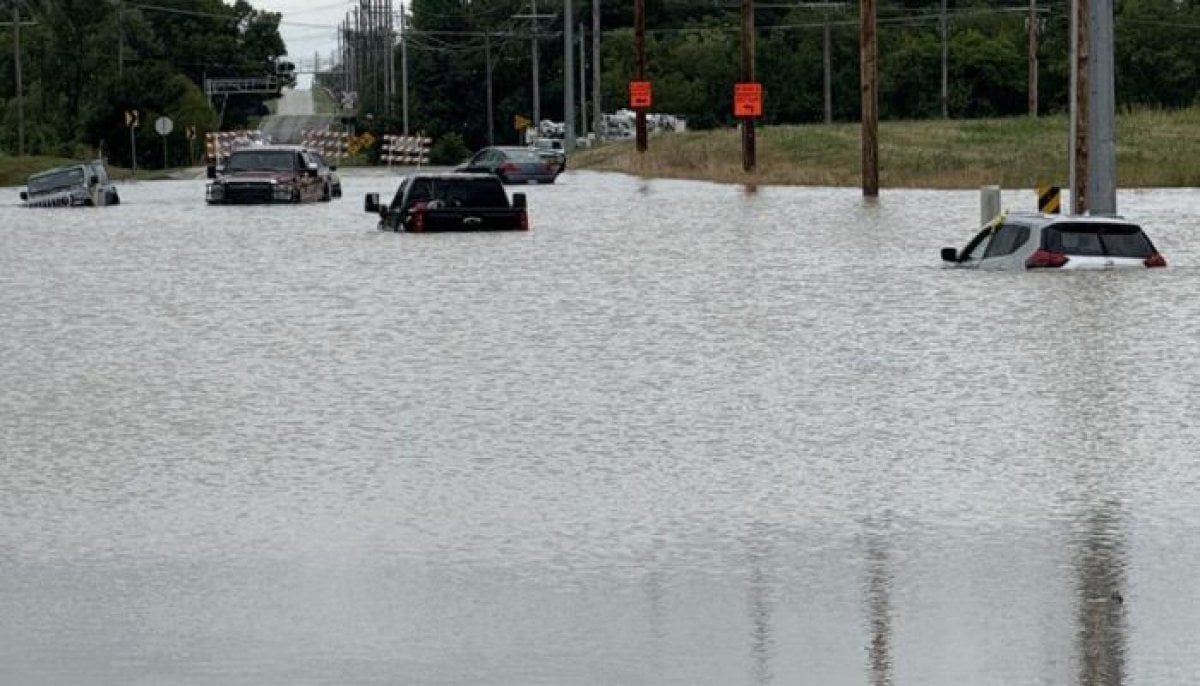 Heavy rains trigger dangerous flash flooding and road closures across Athens, Texas
 -
 UK PM Andy Burnham scraps Starmer-era plans to curb jury trials amid legal backlash: report
 -
 Lindsay Clancy case sparks debate in Africa: 'It will never happen here'
 -
 US Supreme Court opens new term with high-stakes big oil bid to toss climate suits
 -
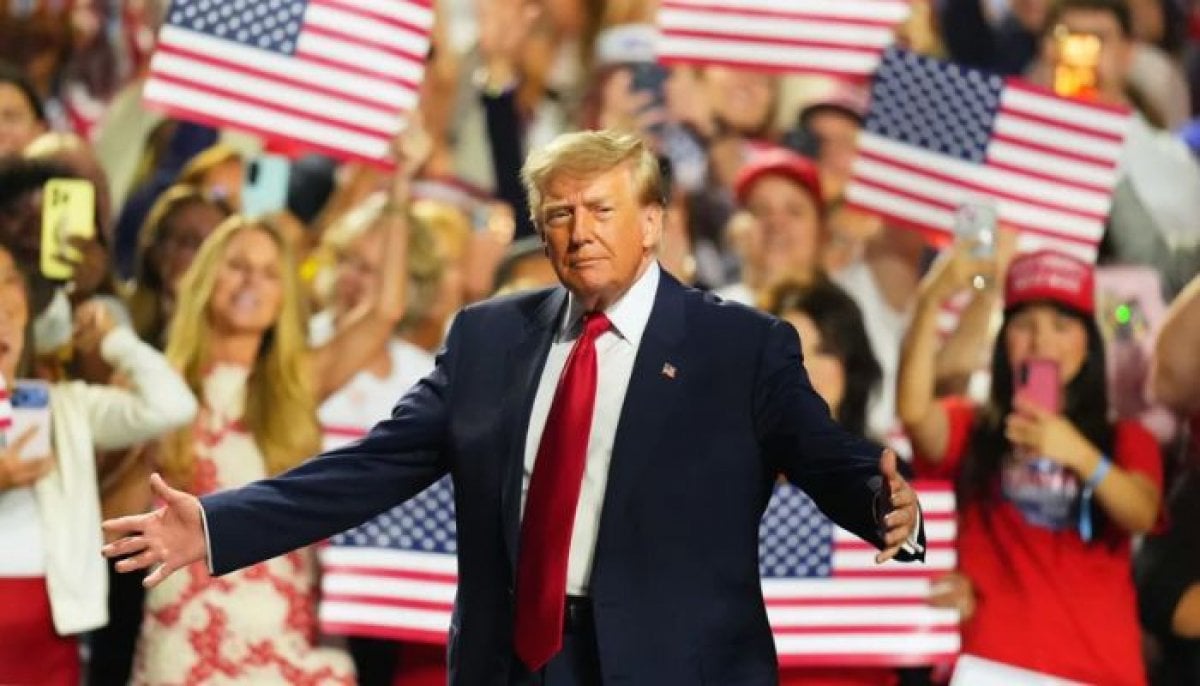 Trump defiant on Midterms during Ohio rally as republicans fight to hold congress: report
 -
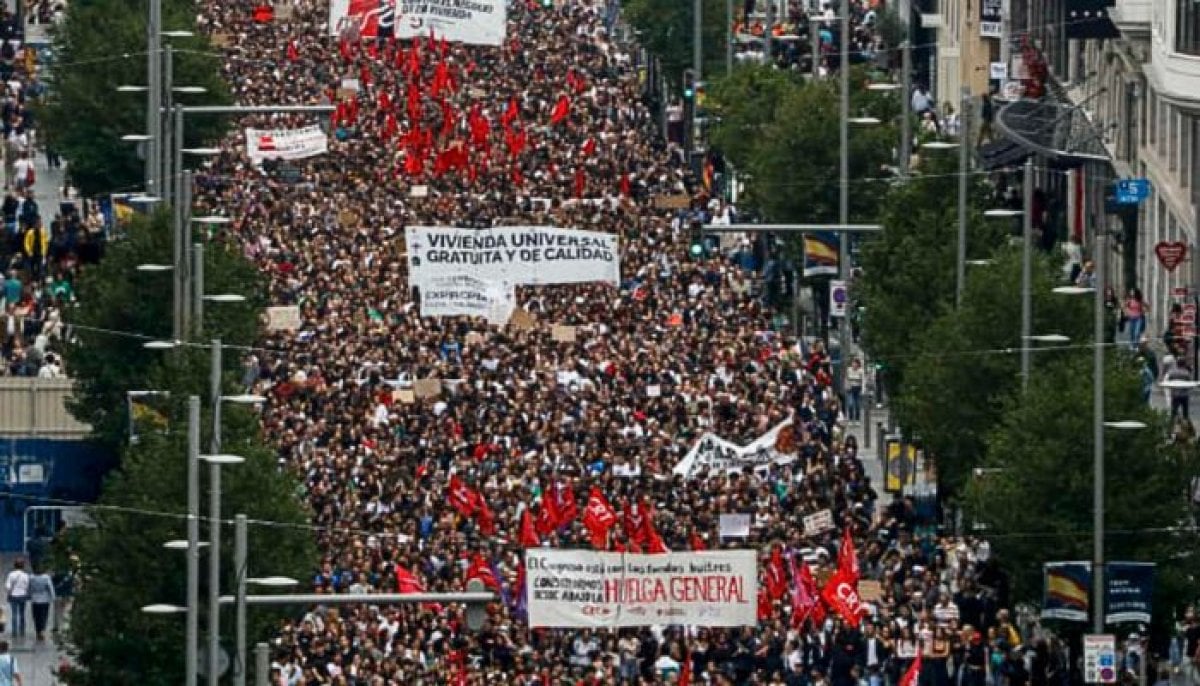 Tens of thousands protest in Madrid as anger grows over Spain’s housing crisis
 -
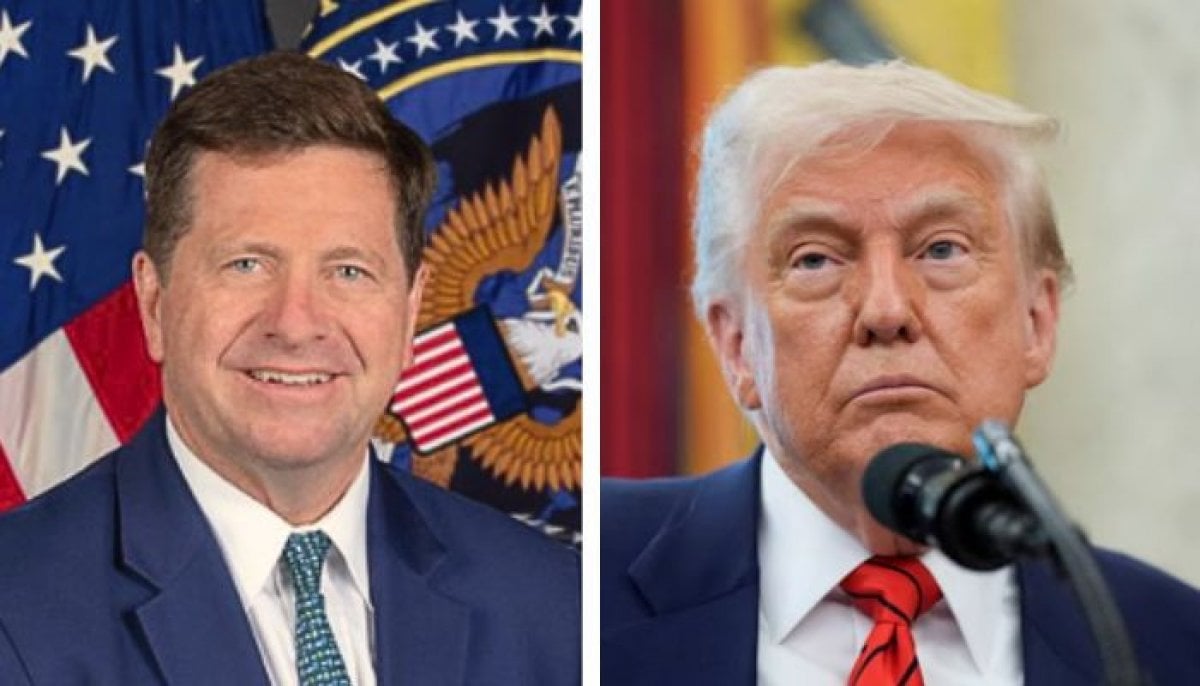 Trump names Jay Clayton to lead new White House 'Super Intelligence' task force: report