Typhoon Dolphin: China deploys AI weather models as extreme climate threats intensify
China is increasingly deploying AI weather models alongside traditional systems to track intensifying typhoons and prepare for extreme weather

Amid the global rise in natural disasters, China is heavily investing in artificial intelligence (AI) for weather forecasting to monitor the effects of climate change and better predict increasingly frequent extreme weather events, including severe typhoons, heavy rainfall, and heatwaves.
The country has emerged as a global leader in data-driven meteorological forecasting, with AI increasingly being tested alongside conventional weather prediction systems.
Real-world testing of AI models amid natural disasters:
As meteorologists tracked Typhoon Dolphin’s path toward China in recent days, a new generation of AI weather models worked alongside traditional forecasting systems, highlighting China’s growing role in the race to improve weather prediction.
Unlike conventional numerical weather prediction models, which rely on powerful supercomputers to simulate atmospheric physics, AI systems are trained on decades of historical weather data.
This allows them to generate forecasts in seconds or minutes while requiring a fraction of the computing resources.
According to China Daily, prominent Chinese AI forecasting models include Fengwu, developed by the Shanghai AI Laboratory, Huawei’s Pangu-Weather, and Fudan University’s Fuxi.
These systems are increasingly being tested during East Asia’s intense typhoon seasons, where even small improvements in storm-track forecasts can help authorities prepare for flooding, organize evacuations, and manage potential transport disruptions.
Models such as Fengwu have demonstrated strong performance in predicting storm paths, with researchers reporting that AI systems can produce forecasts much faster than conventional methods while matching or exceeding them on some measures of accuracy.
The rapid development of AI weather forecasting has created a new arena of competition among technology companies, research institutions, and meteorological agencies, with China emerging as one of the field’s leading players.
However, meteorologists stress that AI remains a complement to, rather than a replacement for, traditional physics-based forecasting models.
AI systems still face challenges in accurately predicting sudden changes in storm intensity and remain largely untested for long-term climate modeling.
Traditional forecasting methods are therefore expected to remain essential for the foreseeable future.


-
 Fugitive businessman Alvaro Pulido arrested in $2bn Venezuela corruption scandal
 -
 German labour minister steps down after stepdaughter's death and political attacks
 -
 Trump could fire Kimberly Guilfoyle as US ambassador to Greece over misconduct reports
 -
 Elon Musk spends millions to become top political donor to keep Republicans in power
 -
 Mark Carney warns Alberta against separation in Thanksgiving message from Edmonton
 -
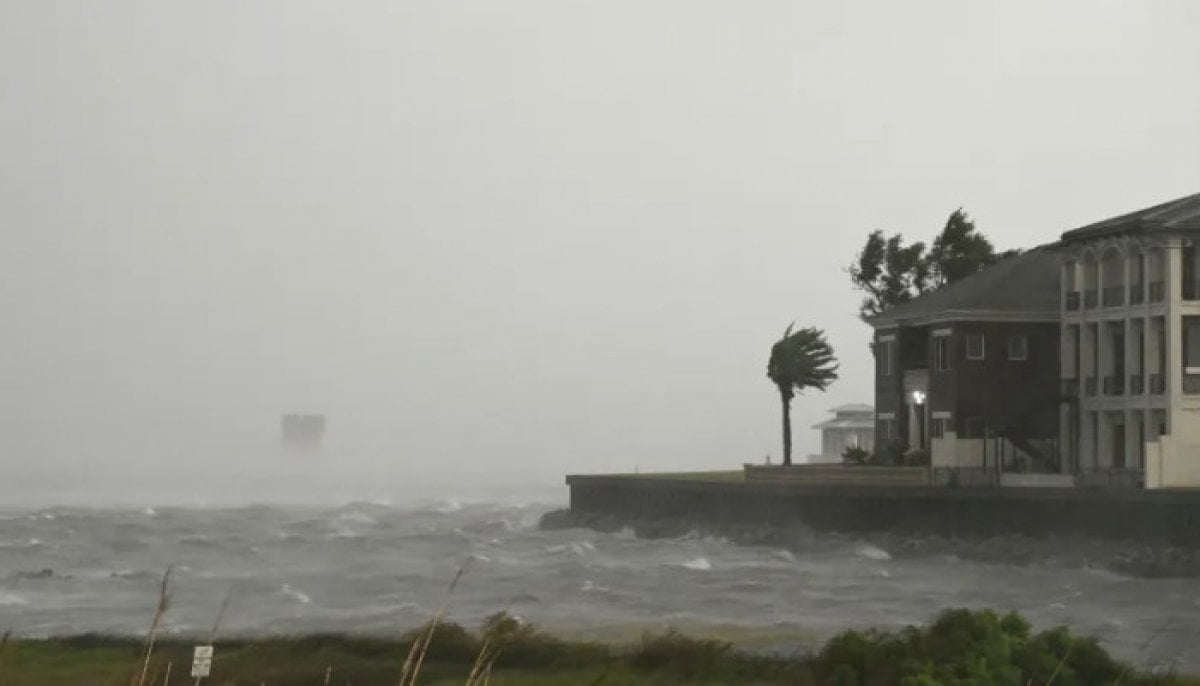 Florida and Alabama face widespread power outages as Hurricane Isaias moves north
 -
 Reform UK pledges to suspend UK asylum system for up to 5 years
 -
 Mamdani launches first major NYPD use-of-force review in nearly a decade
-
 Ilhan Omar accuses Trump of political intimidation after federal agents search her home
 -
OPEC slashes 2026 oil demand growth forecast to 400,000 BPD, citing weaker momentum
-
Cornell 7 ‘loophole’ in assault case exposes a deeper legal problem
-
Elon Musk spends $366 million to help Republicans retain control of Congress