Swift space telescope is falling to Earth: NASA launches rescue mission
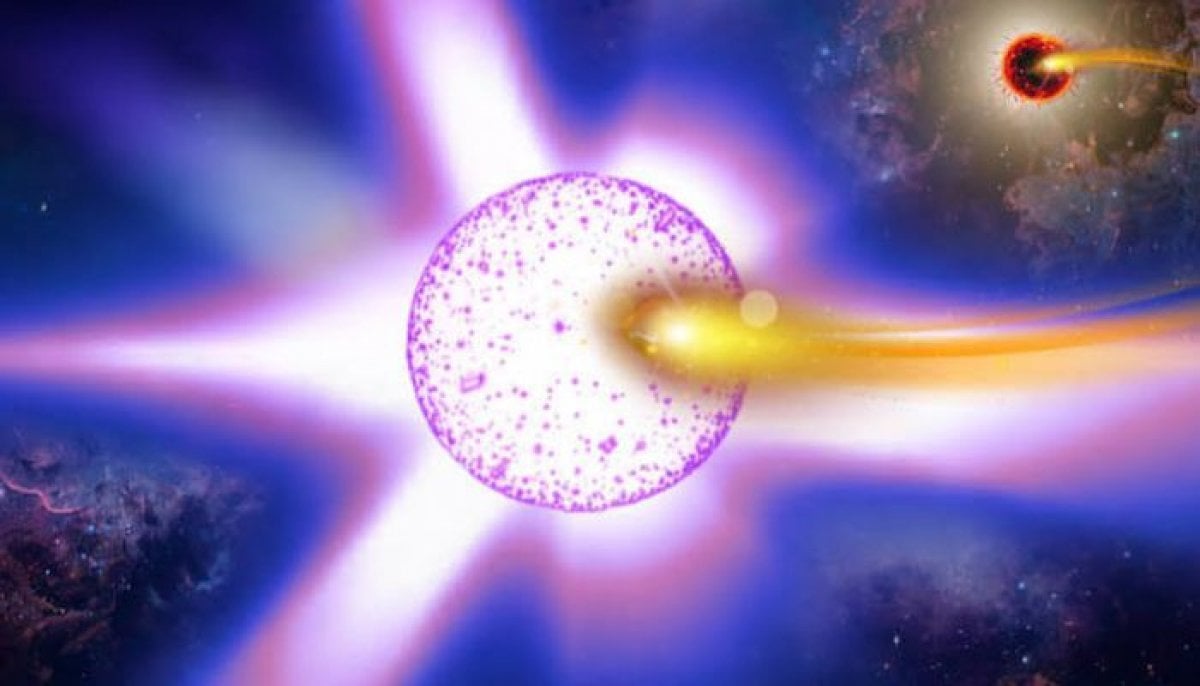
Swift spacecraft was built to observe gamma ray bursts, x-rays, and ultraviolet radiation from exploding stars
_updates.jpg)
NASA is preparing an unusual mission to save one of its most productive observatories before it runs out of time. The NASA satellite Neil Gehrels Swift Observatory, which was launched in 2004, has come down from its orbit of 600 kilometres to a mere 370 kilometres, thus making the satellite vulnerable to re-entry into the earth’s atmosphere even before 2026.
According to scientists, the loss of such a vital satellite would create a large void in the research on violent events that take place in space.
What is Swift space telescope?
The Swift spacecraft was built to observe gamma ray bursts, x-rays, and ultraviolet radiation from exploding stars. Initial planning anticipated that Swift would be functioning until the early 2030s.
This was because the solar maximum phase of the Sun’s 11-year cycle caused expansion of Earth’s upper atmosphere, resulting in more atmospheric drag for Swift. By 2024, NASA realised that Swift only had months of time remaining rather than years.
NASA selected a startup named Katalyst Space Technologies as a contractor in September 2025 by awarding it a $30 million contract. It took only seven months to construct the LINK spacecraft of the startup, which is an exceptional timeline for such a NASA project.
The 400 kg LINK will ride a Pegasus XL rocket launched from Kwajalein Atoll and sent to Swift to examine and catch the telescope with three robotic appendages.
Over six weeks, LINK will gradually raise Swift back to its original 600-kilometre orbit before releasing it.
What was Swift space telescope used for?
Swift routinely monitors about one-sixth of the heavens and can reditect its X-ray and ultraviolet sensors to the location of a gamma ray burst within two minutes after detection. Furthermore, the facility processes roughly five urgent observation requests every day.
In the past two decades, it has been instrumental in connecting long gamma ray bursts to exploding stars and short bursts to neutron star collisions. In 2022, it also played a crucial role in locating the BOAT, the most luminous gamma ray burst on record.
"There’s no other space telescope that has the flexibility and response time that Swift had," said astronomer Daniel Perley of Liverpool John Moores University.


-
 UAE builds asteroid lander designed to crash into its target
 -
 SpaceX Falcon 9 launches 21 military satellites into orbit
 -
 Could a newly engineered microbe help humanity survive on Mars?
 -
 Astronomers find most distant fast radio burst ever recorded
 -
 Draconid meteor shower tonight: Best time and places to see it
 -
 ‘A dream for 50 years’: Why world’s first nuclear clock could change timekeeping
 -
 NASA Curiosity captures strange ‘wind-carved’ Mars landscape in dawn image
 -
 NASA's Crew-12 Dragon begins return trip from space station