China launches new satellite group in major space mission
The recent launch marked the 655th flight mission of the Long March rocket series
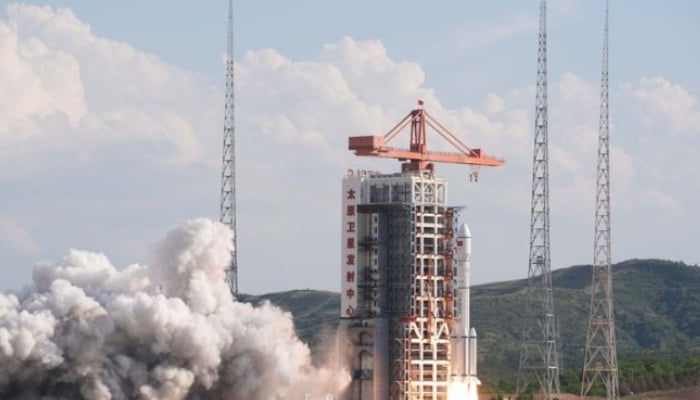
In a significant move, China has launched a new group of satellites using a modified Long March-6 carrier rocket, successfully placing the 13th batch of space-based assets for the Spacesail Constellation into orbit.
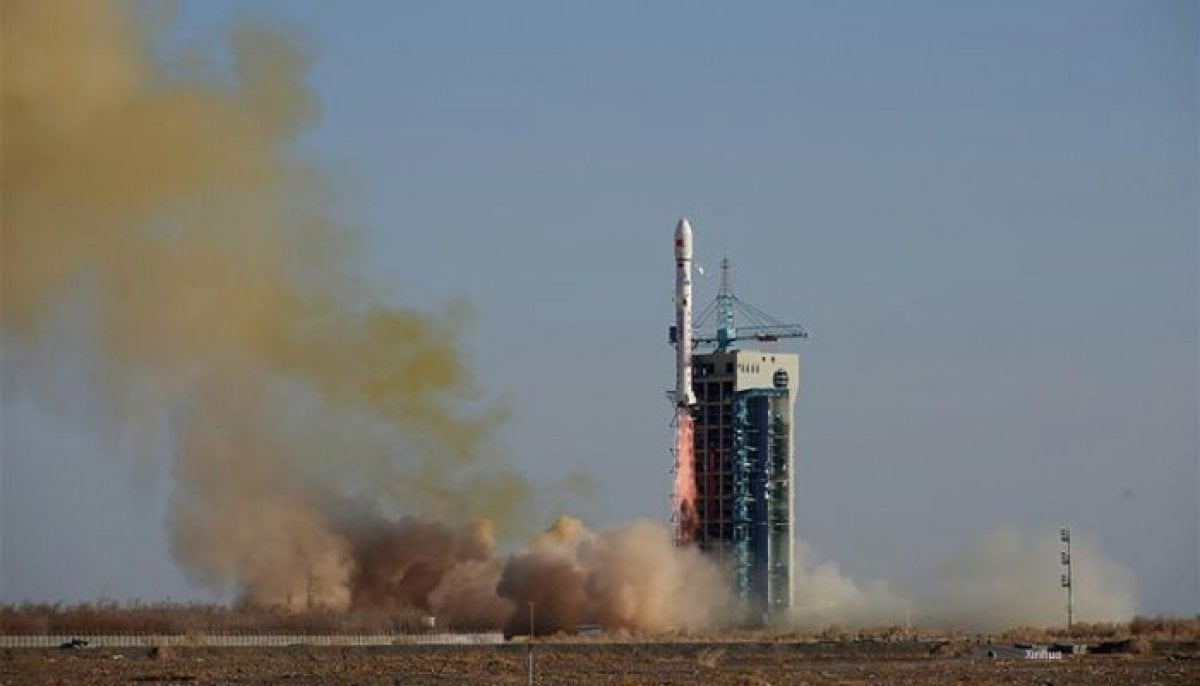
The satellites were carried by a Long March 6A rocket that blasted off at 5:30 pm and they soon reached their predetermined orbital positions.
The rocket effectively lifted off at 5:40 p.m. Beijing time from the Taiyun Satellite Lunch Center in Shanxi Province and successfully delivering the payload into their planned orbit. This project is funded and operated by the Shanghai-based State-owned satellite company Spacesail.
It is crucial to note that the Spacesail Constellation will be used to provide high-speed secure and broadband access to international customers.
The company has special plans to deploy more than 15,000 satellites in low-altitude orbits.
The Long March 6A rocket model is a next-generation medium-lift rocket consisting of a 50-meter, liquid-propellant core stage booster and four solid-fuel side boosters.
On the contrary, the model has liftoff weight of 530 metric tons and is tasked with transporting satellites to several types of orbit, including both low-Earth and intermediate circular orbit.
Furthermore, the recent launch marked the China’s 48th space mission this year, and the 655th flight of the Long March rocket family.






-
 US finally confirms weapons in orbit: What it means for space warfare
 -
 How China's FAST telescope is mapping the cosmic gas behind star birth
 -
 Did Sun eat super-Earth? New study says maybe
 -
 Did Sun swallow a super-Earth? Scientists search for its ‘fingerprints’
 -
 Blue Origin sets sights on Mars with new NASA network
 -
 NASA, IBM launch open-source lunar foundation AI model to help map ice, craters on moon
 -
 Bacteria can remember without brain, new study finds
 -
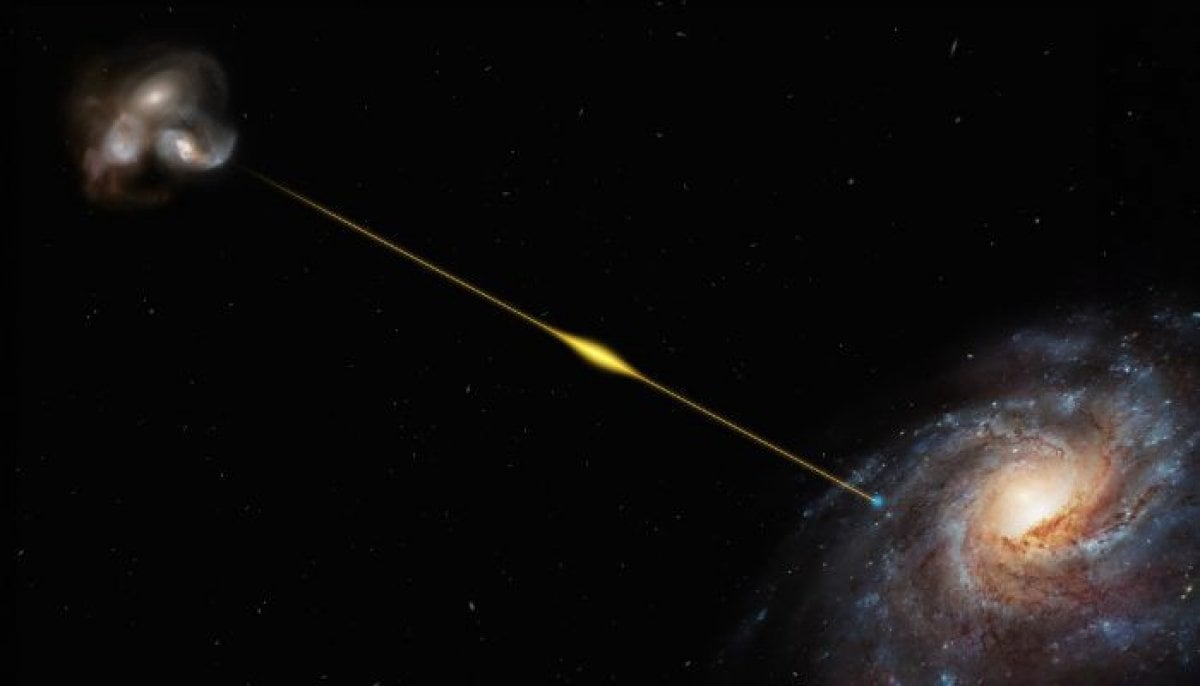 Fast radio bursts may unlock secrets of dark matter, energy and neutrinos