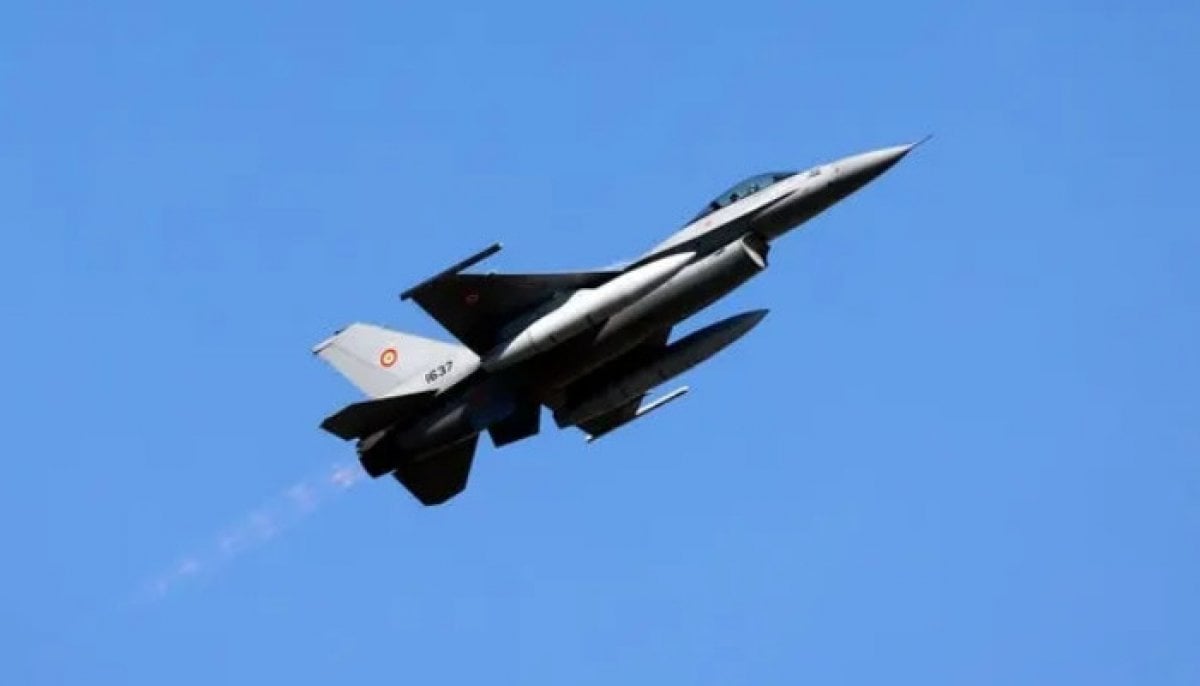
Iran war could drag global economy to its slowest pace level since Covid: World Bank
The World Bank forecast global growth at 2.5 percent this year, down from 2.9 percent in 2025

The World Bank has warned that the US and Israel’s war on Iran could slow global economic growth to its weakest level since the Covid-19 pandemic, with further escalation threatening an even sharper downturn.
In a report released Thursday, the World Bank forecast global growth at 2.5 percent this year, down from 2.9 percent in 2025.
The organisation said rising tensions in the Middle East, particularly disruptions linked to the Strait of Hormuz, are already pushing up oil, gas and fertiliser prices.
“A renewed escalation of hostilities or more prolonged disruptions to commodity flows could further raise commodity prices, intensify inflationary pressures and food insecurity, trigger financial stress, and lower growth,” the World Bank said in the report.
“If energy supply disruptions prove more severe than assumed and are accompanied by substantial financial stress, global growth could fall to just 1.3% in 2026,” it added.
The World Bank also warned that economic growth across developing countries is expected to weaken further because of the conflict.
According to the report, per capita income in developing economies, excluding China and India, is not expected to recover to pre-pandemic levels until after 2028.
Analysts say prolonged instability in the Middle East could continue to pressure global markets in the months ahead.




-
 Vehicle crashes into crowd at Berlin Pride, killing one
 -
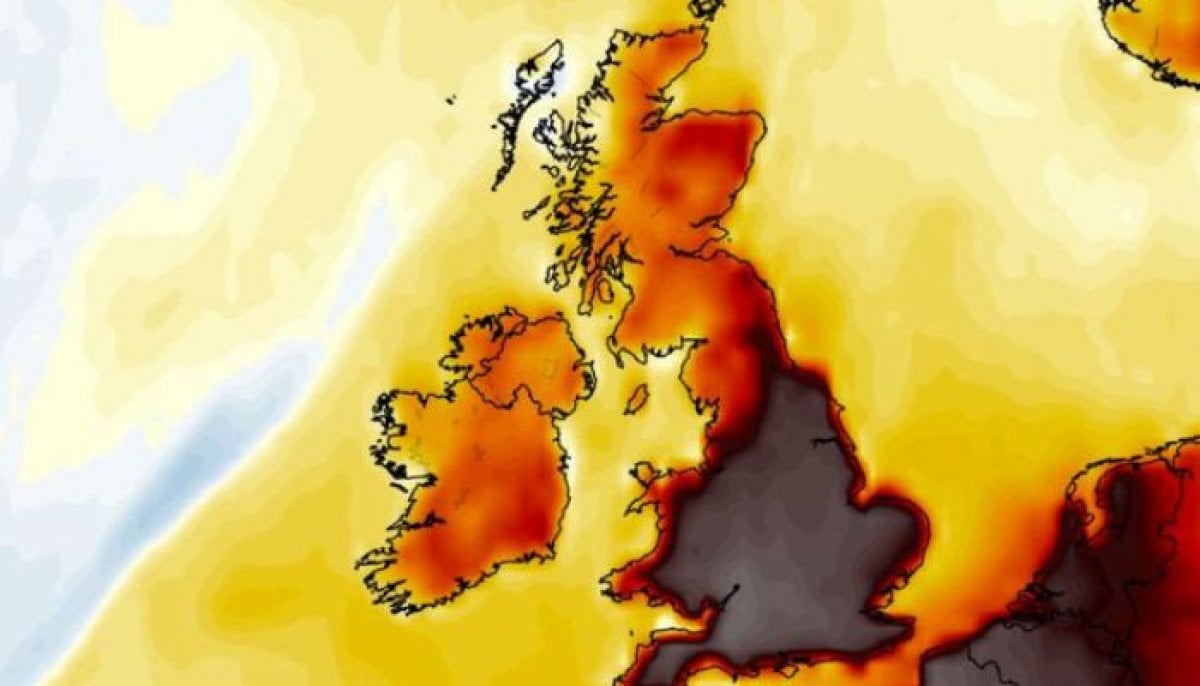 Is UK expecting a fourth heatwave? Here’s what the latest forecast says
 -
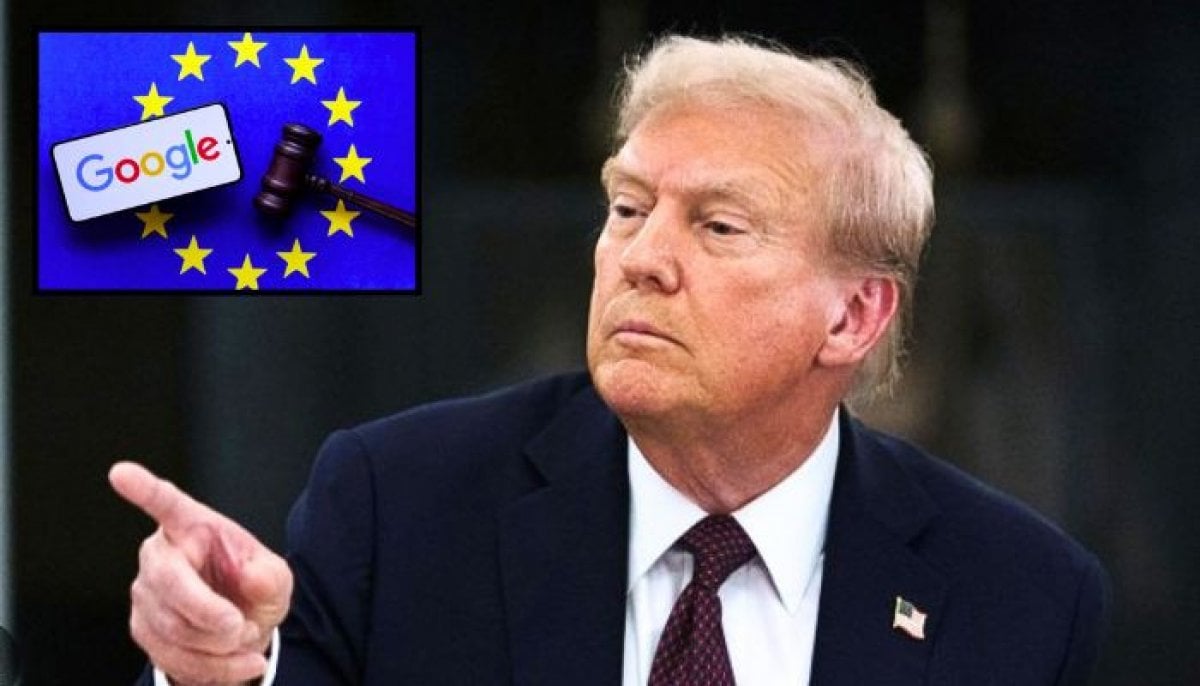 Trump orders EU trade probe over $1B Google fine
 -
 Over 130,000 evacuated across France and Spain as wildfires threaten Madrid
 -
 Google, Verizon strike $1 billion deal to boost AI infrastructure
 -
 Joe Manchin returns to politics with new movement to back independent candidates
 -
 France wildfires: thousands evacuated from Cap Ferret tourist hotspot
 -
 Samsung, SK Hynix to sign major AI chip deals with US tech giants