
J&J therapy shows strong survival benefit in prostate cancer patients
The treatment plan lowers all-cause mortality by 20%

Johnson & Johnson's prostate cancer drug Erleada, reportedly used alongside standard home-blocking therapy before and after prostate surgery significantly enhances the chances of eliminating the cancer and reduces the risk of death or disease progression.
While patients taking the combination regimen were found to be nine times more likely to have little to no detectable cancer in the prostate at the time of surgery compared to those using standard test standard testosterone therapy alone, the entire risk of recurrence also dropped significantly.
It has been observed that patients who took a full year of the combination therapy went an average of more than six years before needing any subsequent treatments. The year-long treatment reduced the overall risk of cancer recurrence and death by 29%.
At present surgery and radiation are the standard forms of care as nearly half of those patients eventually see their cancer return and require further treatment.
Notably, high-risk patients account for roughly 40% of the 330,000 people diagnosed with prostate cancer in the United States.
"No ARPIs are approved for localized high-risk prostate cancer with either surgery or radiation. So the (data) would be paradigm changing," said Dr. Mary-Ellen Taplin, the study's lead researcher from Dana-Farber Cancer Institute in Boston.
Erleada has been US-approved since 2018 for later stages of cancer. Following these news trial results, J&J plans to coordinate with international regulators to expand global approvals for treating these earlier, high-risk localized stages.


-
 Biden calls out Trump’s ‘vanity projects’ at Maryland Democratic Gala—Here’s why
 -
 Pima County Sheriff responds to new claims in Nancy Guthrie case
 -
 Mayor Mamdani jumps into NYC pool to revive old tradition
 -
 Trump’s Gaza Board of Peace seeks to grant itself total immunity and free use of property: Here’s why
-
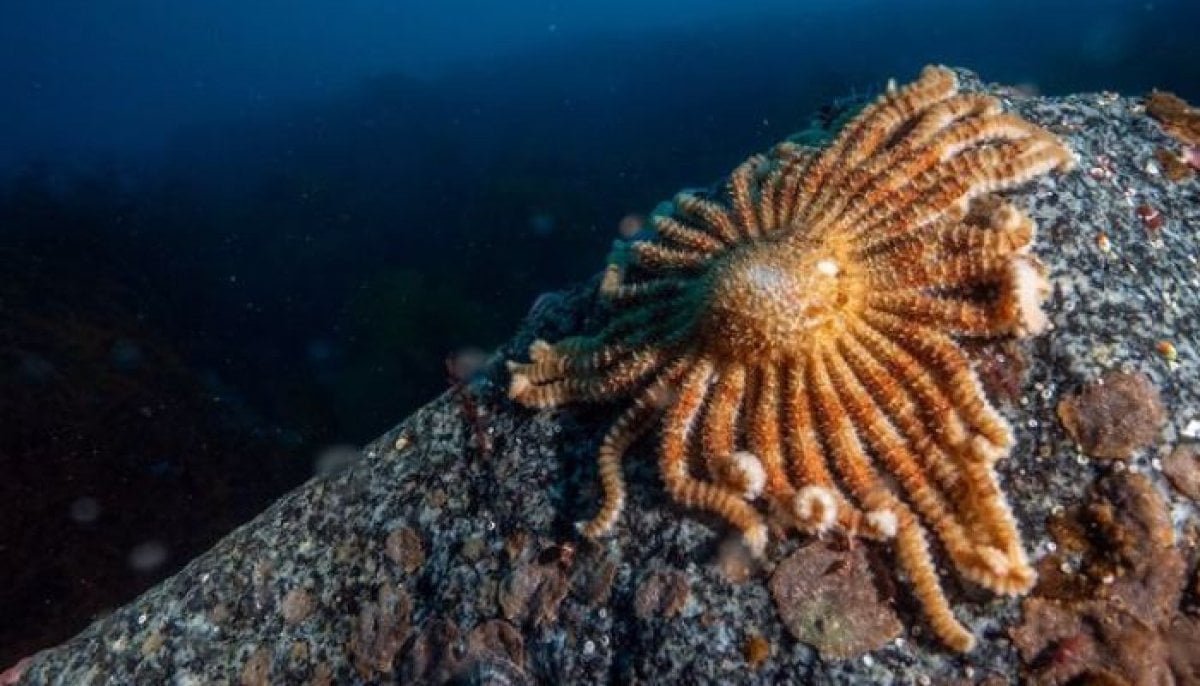 Scientists discover tiny Antarctic sea creature that could help fight melanoma
 -
 Is UK heading for another heatwave? Here's what the latest forecast says
 -
 Shocking discovery at 'no-kill' shelter leaves dog owners distraught
 -
 EU launches investigation into Sanofi over alleged flu vaccine disparagement
 -
 How to survive Heatwave: Expert tips to stay cool in extreme temperatures
 -
 Rare genetic clue linked to healthy aging found in long-lived families
 -
 French fries raise diabetes risk 20%: New study warns
 -
 Study shows near-zero cervical cancer risk in young women


