Trump open to ending war without reopening Strait of Hormuz: Here’s why
The month-long conflict has spread across the Middle East, disrupting energy supplies and threatening to send the global economy into a tailspin
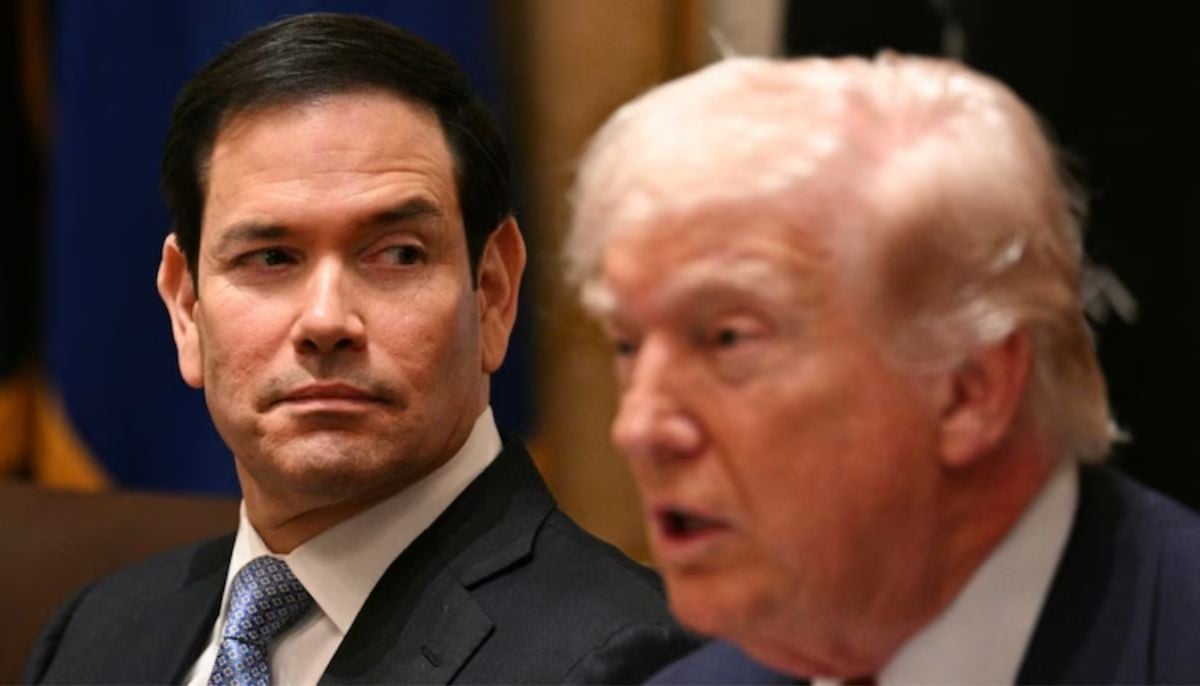
There has been a lot of activity regarding the high-stakes military and economic crises in the Middle East involving the U.S., Israel and Iran.Iran attacked and set fire to the Al-Salmi, a Kuwait-flagged crude oil tanker carrying 2 million barrels of oil off the coast of Dubai, as President's Trump warned the US would obliterate Iran’s energy plants and oil wells if it did not open the Strait of Hormuz. Iran has largely blocked the passage, leading to a string of missile and drone attacks on merchant vessels.
The conflict has expanded beyond Iran to include Lebanon (Hezbollah), Yemen (Houthis), and Turkey (intercepting Iranian missiles). Thousands of civilians have been killed, including three UN peacekeepers from Indonesia in Lebanon. President Trump has threatened to obliterate Iran’s energy plants, oil wells, and desalination plants if the Strait of Hormuz is not opened immediately.
Despite the rhetoric, reports suggest Trump is willing to end the war without reopening the Strait first, as “prying it open” would take longer than his 4-to-6-week timeline. The US aims to cripple Iran’s Navy and missile stocks before winding down, eventually pushing allies in Europe and the Gulf to lead diplomatic trade talks. Crude oil is trading between $101-113 a barrel, and jet fuel prices have doubled.
The US national average for gasoline has crossed $4 a gallon, creating a political headache for the Republican Party ahead of the November midterms. The Trump administration has requested an additional $200 billion for the war, though it faces stiff opposition in Congress. Trump is also considering asking Arab nations to pay for the war’s costs. The White House claims talks are progressing and that Tehran is more reasonable in private’ however, Iran’s Foreign Ministry publicly dismissed US proposals as unrealistic and illogical. Meanwhile, countries like Egypt, Saudi Arabia, and Turkey are serving as intermediaries to find a diplomatic resolution.


-
 Hawks make Jonathan Kuminga a free agent by declining $24.3m option
 -
 Lili Reinhart reveals why she 'felt convinced' to do 'The Love Hypothesis'
 -
 Madonna's secret adoption after daughter Lourdes Leon's birth exposed
 -
 Secret UFO tape discovered after 70 years may reveal hidden details about 'Invasion of Washington'
-
 Self-exiled Chinese tycoon Guo Wengui sentenced to 30 years in US prison
 -
 Ex-Pentagon official makes chilling claim: UFOs provoke US military
 -
 Inmates stage daring takeover of Bertie-Martin Regional Jail
 -
 Paris mortuaries at capacity as heatwave death toll climbs
 -
 US Supreme Court allows Lisa Cook to remain at Fed
 -
 Car crashes into North Circular Bus stop, two injured
 -
 Germany Shooting: 5 adults killed at Stade Youth Centre, suspects detained
 -
 'Iran has requested a meeting': Trump announces surprise Doha talks
-
 Dangerous heat wave sweeps US before July 4: Which states will be hottest?
 -
Andy Burnham rules out Cabinet appointments until leadership race concludes
-
Will missing flight MH370 ever be found? Malaysia extends search until 2027
-
Spanish PM Pedro Sanchez faces pressure as wife Begona Gomez ordered to stand trial