Trump administration releases new AI policy to pre-empt state rules
Policy seeks to remove barriers, accelerate AI use across sectors and strengthen development of advanced systems to ensure global leadership
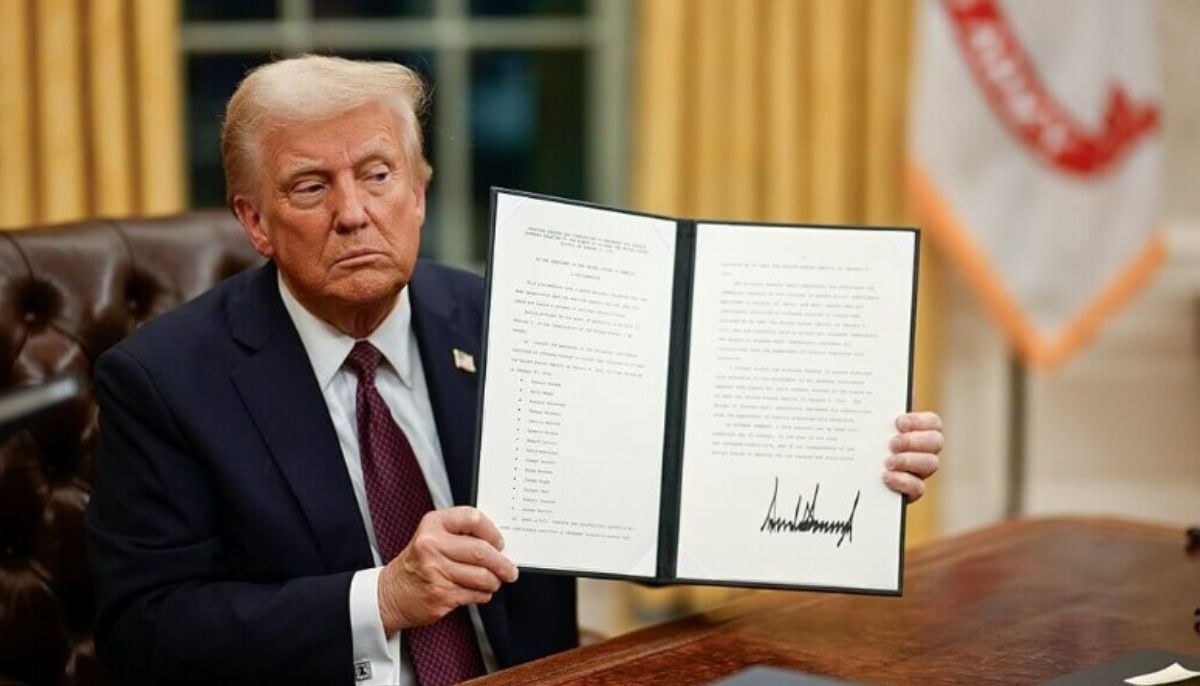
In a latest update from an artificial intelligence policy on Friday, March 20, that aims to pre-empt state rules to ensure protections for children and shield communities from prohibitive energy costs.
The Trump administration has been pushing for a single legislative framework that can be applied uniformly across the country, rather than leaving states to form their own plans.
U.S. President Donald Trump in December said he would withhold federal broadband funding from states whose laws to regulate artificial intelligence are judged by his administration to be holding back American dominance in the technology.
The AI industry has been a powerful profit driver for the tech sector in recent years, propelling chipmaker Nvidia to become the world's largest company, while tech behemoths Amazon.com, Meta Platforms, Alphabet and Microsoft pour billions of dollars into the burgeoning sector.
The White House said it looked forward to working with Congress to turn the framework into legislation.
"We need one national AI framework, not a 50-state patchwork,” Michael Kratsios, science and technology adviser to Trump, told The Daily Signal. "And I think one of the key provisions of it that will make it all work and come together is really focusing on the bipartisan consensus around protecting America’s children."
Protections in the White House framework include giving parents control of accounts and devices to protect their children's privacy and suggests features to combat potential sexual exploitation or self-harm.
The framework calls on Congress to streamline permitting so that electricity-gobbling data centers can generate their own power on site. It wants to increase the federal government's ability to fight AI-generated scams and national security concerns.
The plan calls for removing barriers to innovation, accelerating AI deployment across business sectors and making it easier to build top-grade AI systems, with a goal of ensuring global AI dominance.
The framework includes provisions on intellectual property rights, preventing censorship and protecting free speech and developing an AI-proficient workforce by educating Americans.


-
 Anthropic skips Australian senate AI inquiry amid fallout from rogue OpenAI agent breach
 -
 Andy Burnham pledges NHS-Style social care reform at next election despite backlash warning
 -
 South Korea summons Ukraine envoy as North Korean POW transfer sparks diplomatic row
 -
 London–Scotland rail services to be nationalized in March: UK Government
 -
 Are Russia-US arms talks heading for a restart? Kremlin responds
 -
 Trump asked Xi Jinping if China wanted to buy US weapons: US ambassador
 -
 US-China reciprocal $30B tariff deal: Full list of products set for cuts
 -
 Trump confirms meeting with Anthropic CEO Dario Amodei; Reaffirms dismissal of AI safety fears