Denmark election: Frederiksen faces tough coalition negotiations after losing majority
Mette Frederiksen finished first in Tuesday’s general election, but her party posted its weakest showing in more than 120 years and the left-wing bloc failed to secure a majority
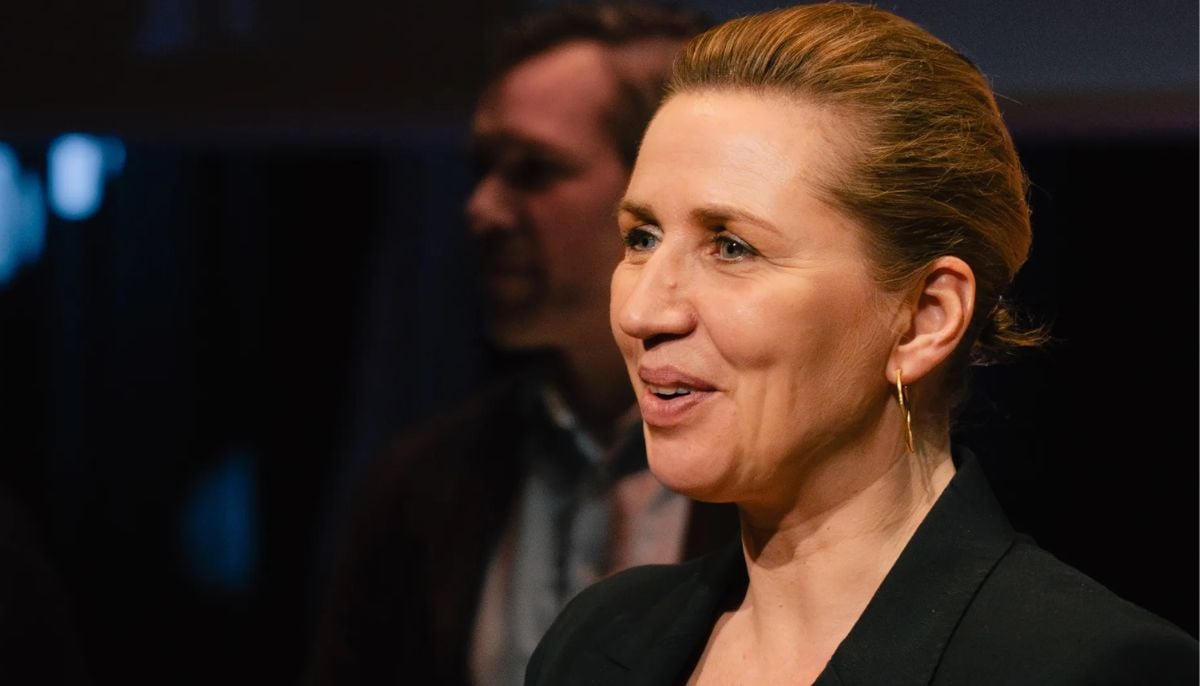
This year's Danish general election has left Prime Minister Mette Frederiksen and her Social Democrats in a precarious position. Although they remain the largest party, the results have triggered a period of intense and tough negotiations to form a new government.
However, by securing 21.9% of the vote, the Social Democrats-who have governed since 2019-finished first in Tuesday’s general election. The party remains the largest by far with 38 parliamentary seats, but this is not enough to claim victory alone.
The Social Democrats remain Denmark’s favorite party, but Prime Minister Mette Frederiksen admitted disappointment over the lower-than-expected vote count. The red bloc holds 84 seats, with the blue bloc holding 77 seats. Both fell short of the 90 seats required for a majority in the 179-seat parliament.
However, the Moderates, led by former PM Lars Lokke Rasmussen, hold 14 seats and have effectively become the kingmaker. Despite a bruising outcome and waning popularity after seven years in power, Frederiksen expressed her readiness to serve a third term as Prime Minister. Having gained recent popularity for his handling of the Greenland standoff with the U.S., he favors a government formed across the center. The leader of the Liberals has ruled out another coalition with the Social Democrats, instead urging Rasmussen to join the right-wing bloc.
In contrast, Torels Lund Poulsen who held the Liberals (the blue bloc’s biggest party, has flatly ruled out going into government again with the Social Democrats, and urged Rasmussen to join him on the right.
The election outcome is a contentious one for Frederiksen, who has seen her popularity wane after six years in power, even as many Danes credit her with steering the country through the international crisis. The election arrived in the wake of President Trump's repeated demands to acquire Greenland.
The 48-year-old Frederiksen called the vote months earlier than expected, gambling her handling of the Greenland crisis would boost her poll numbers. Nonetheless, political analysts suggest the most likely result is a center-left government composed of the Social Democrats, the Green Left, the Moderates, and the Danish Social Liberal party.


-
 Germany’s Nuremberg airport briefly shut down after mid-air communication malfunction
 -
 El Niño fuels Indonesia wildfires, destroying nearly 300 homes in Sumatra
 -
 Poilievre heads to Michigan to demand end to US tariffs on Canadian vehicles
 -
 Will Alberta leave Canada? Advance voting opens in historic separation referendum
 -
 False hijack alert sends German fighter jets scrambling
 -
 Nigel Farage defends ‘lethal force’ policy for English Channel migrants amid backlash
 -
 Supreme Court agrees to hear DOGE transparency lawsuit involving Elon Musk, Trump
 -
 Greta Thunberg joins French students as nationwide protests enter third week
-
 Kimberly Guilfoyle asked to resign as US ambassador to Greece, White House says
 -
Ursula von der Leyen calls for stricter migration measures ahead of EU leaders' summit
-
Six Flags loses $170mn in market value after after man dies in roller coaster tragedy
-
Russia-Ukraine conflict near an end? US, Europe draft four-point peace settlement: Report