Japan announces record oil reserve release as Middle East energy crisis deepens
Japan is releasing 80 million barrels of oil to domestic refiners, which is 1.8 times larger than the release following the 2011 Fukushima disaster
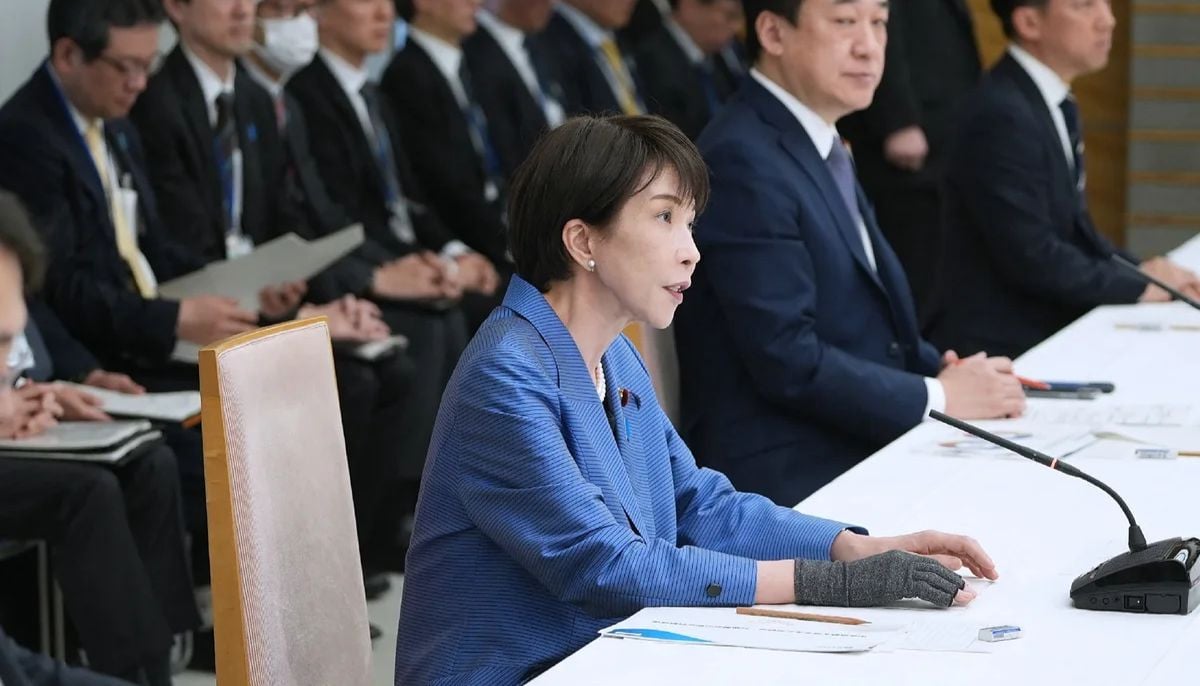
Amid the escalating US-Israel war on Iran, Japan has announced its largest-ever strategic oil reserve release this week, marking a significant move to combat a deepening energy crisis, as the country braces for possible shortages. The announcement comes after the government already approved the release of 15days’ worth of private-sector reserves, amid growing concerns that the conflict in the Middle East will continue to obstruct maritime traffic along the Strait of Hormuz.
Resistance to military involvement
During a summit in Washington, PM Sanae Takaichi rejected Donald Trump’s request to send the Japanese navy to the Strait of Hormuz, citing restrictions in Japan’s post-war constitution.
Massive oil release
Japan is releasing 80 million barrels of oil to domestic refiners which is 1.8 times larger than the release following the 2011 Fukushima disaster. Despite the large release, Japan maintains significant security, with total reserves of 470 million barrels-enough to cover 254 days of domestic consumption.
Additionally, the government introduced weekly subsidies to lower record-high fuel costs, successfully capping gasoline at ¥170 ($1.10) per liter after prices peaked at ¥190.8. Takaichi underscores that Japan will prioritize diplomatic efforts over military action to ensure peace and stability in the Middle East.
Meanwhile, concerns that the Strait of Hormuz could remain closed for a prolonged period have triggered anxiety among Japanese consumers over the availability of essential household items. In response, the trade and industry ministry advised consumers not to hoard sanitary paper products following social media posts that sparked fears that price and supply could be destabilized by oil import disruptions. The association representing 41 firms that produce these essentials, said in a statement that there were “no problems with the procurement, manufacturing and supply of raw materials.”
Residents are urged to calm and avoid fueling further anxiety. Ultimately, the coming time will define how the energy crisis is resolved amid global uncertainty, and whether these reserves will be sufficient to stabilize the situation.






-
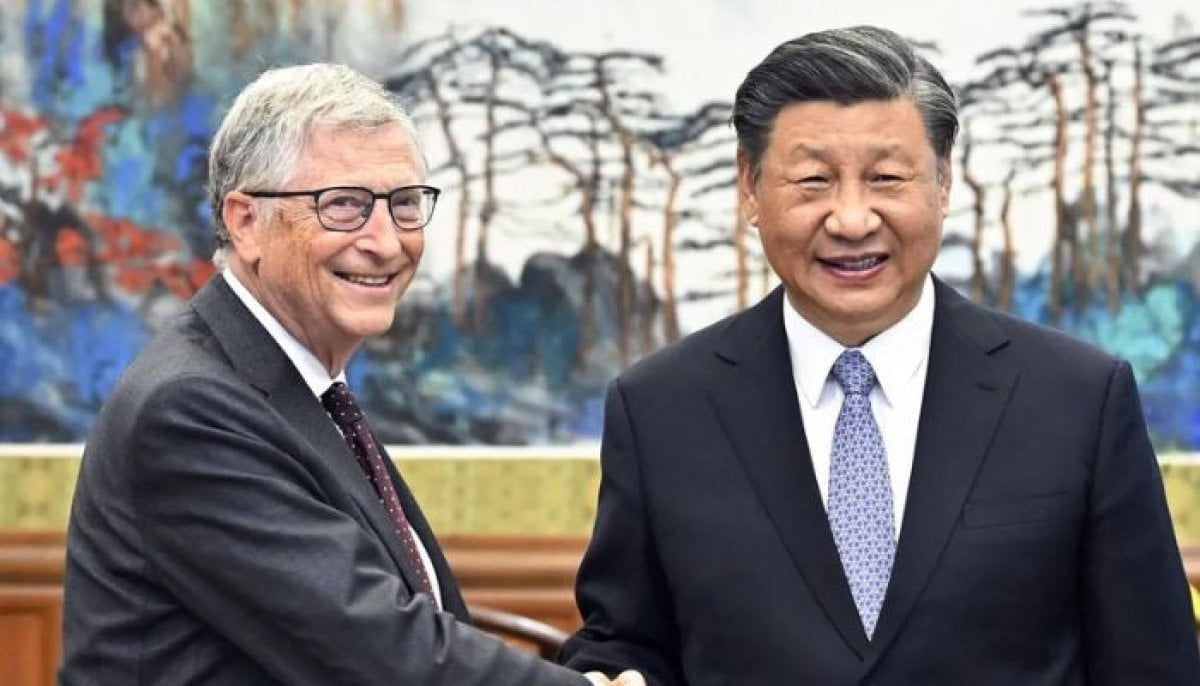 Bill Gates seeks Xi Jinping meeting to discuss AI risks
 -
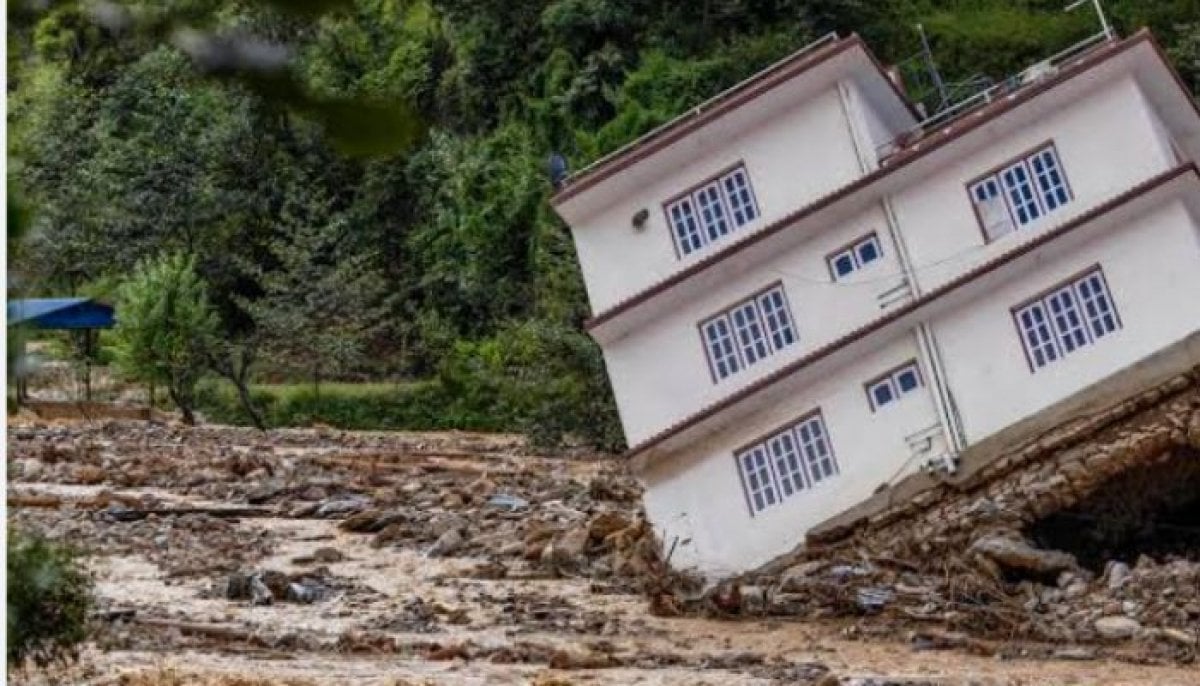 Massive flash flood destroys northern Nepal villages and infrastructure near Tibet border
 -
 US pauses immigrant visa applications worldwide amid Trump’s immigration crackdown
 -
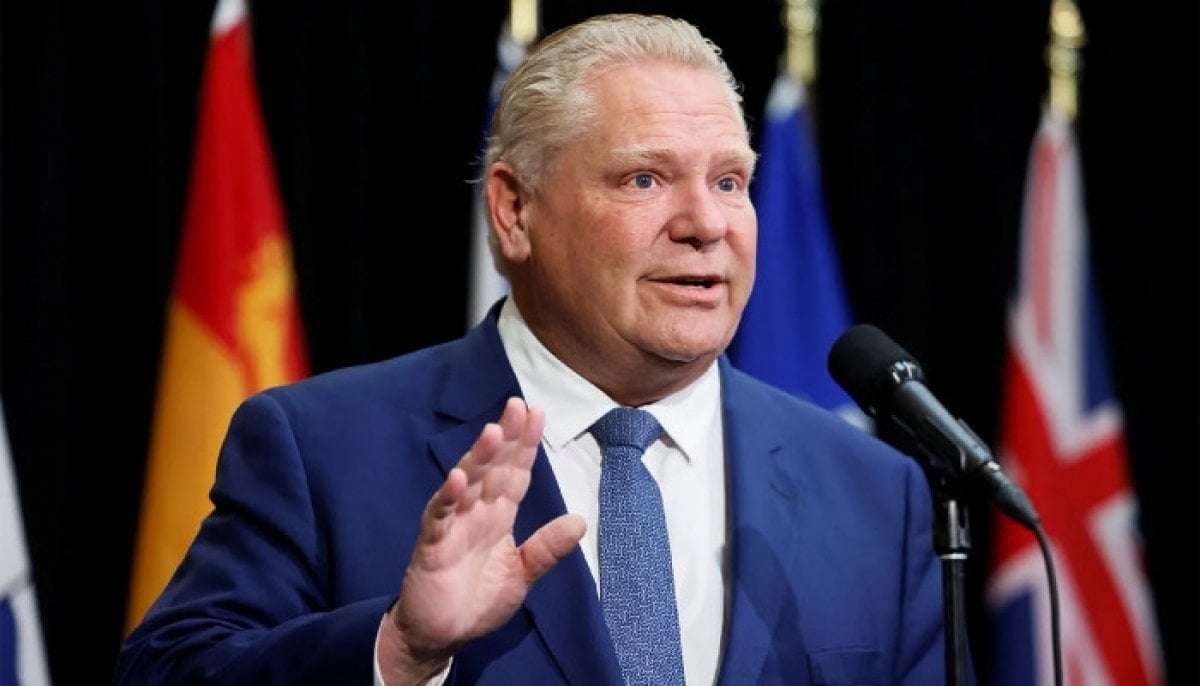 Doug Ford backs away from Trump war of words as tariff tensions rise
 -
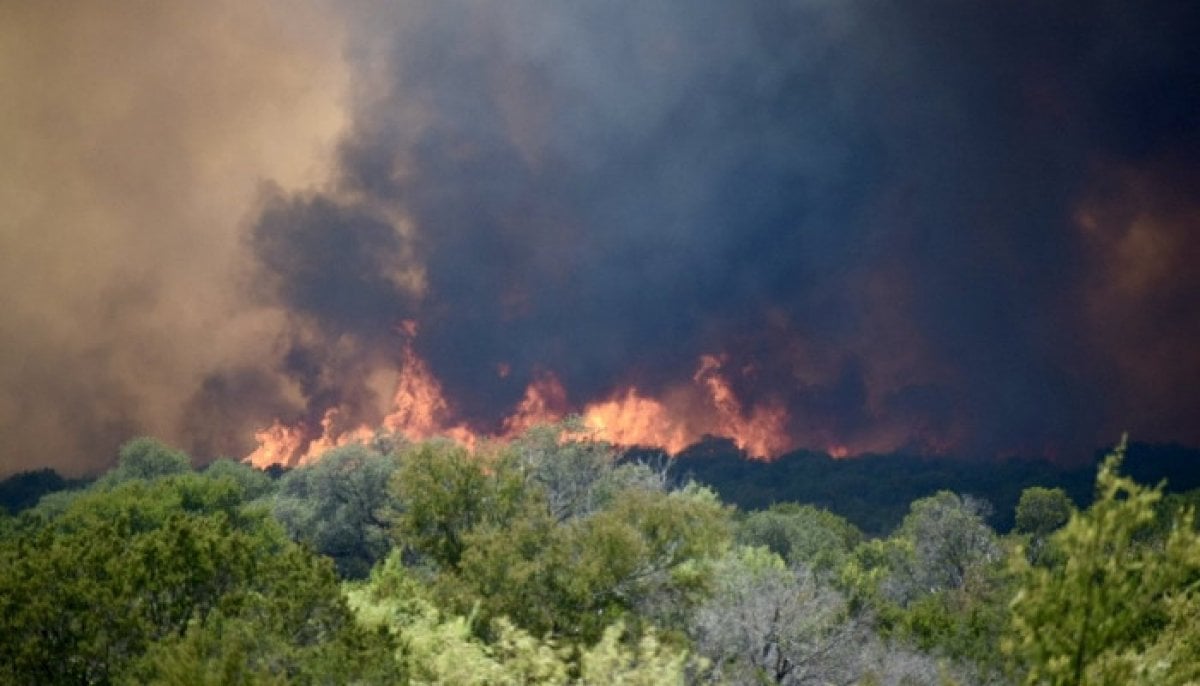 Ross Fire rages across Texas as extreme drought fuels 50,000-acre wildfire
 -
 Canada’s counter tariffs could target US electricity and energy, raising costs for Americans
 -
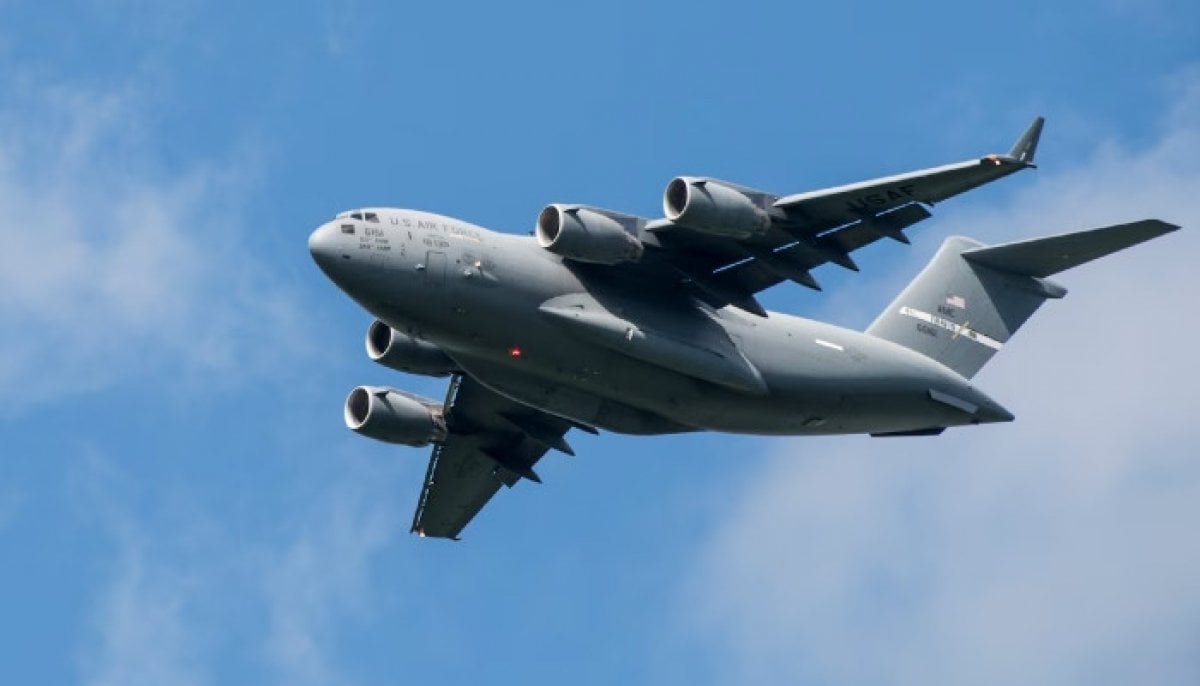 US military transport plane makes mysterious landing in Moscow
 -
 Swiss flight makes emergency landing with 238 people aboard due to chemical odour
-
 Ghislaine Maxwell’s bid to overturn conviction for helping Jeffrey Epstein rejected: What to know
 -
Montreal airport worker dies after aircraft strikes him while backing up
-
Don Lemon case faces new scrutiny as judge orders DOJ to hand over grand jury records
-
Putin allows state takeover of key Russian sites as UK expands Ukraine missile support