Inside Trump’s 15-point plan: Global stocks climb as oil falls on hopes of Iran peace deal
Brent crude sinks below $100 as peace prospects influence trading
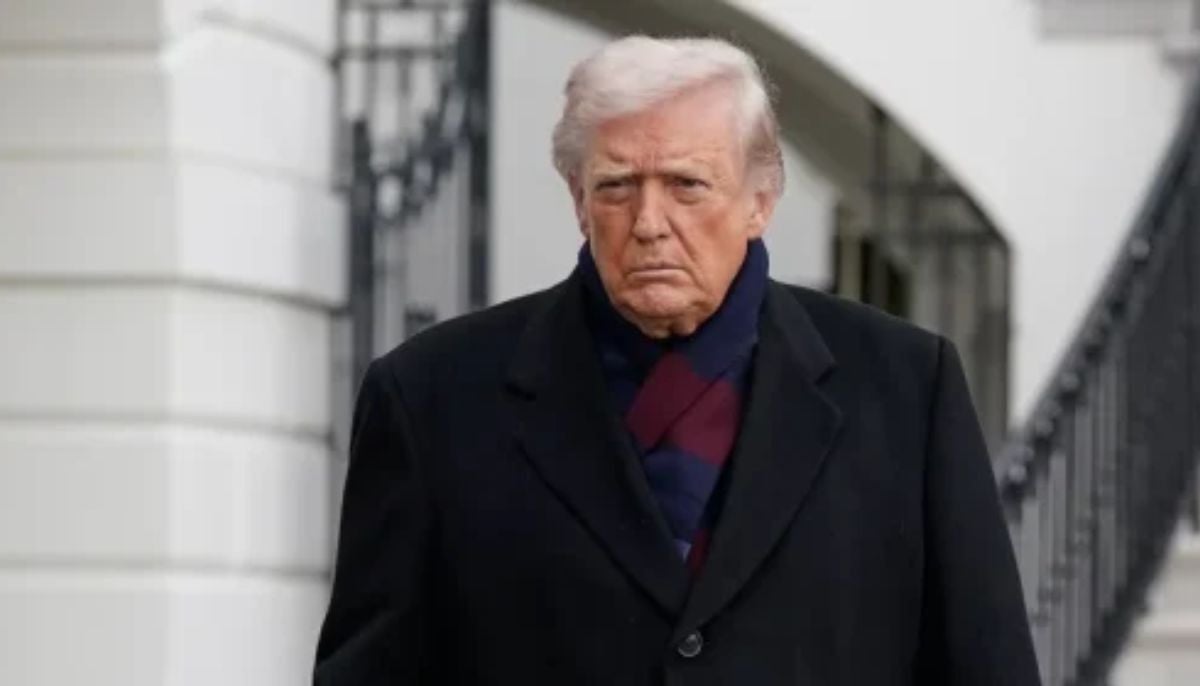
Donald Trump’s 15-point framework was sent to Tehran despite a denial from Iran later in the day as the initial reports were enough to shift global sentiment. The prices of oil dipped and Asian stock markets moved to their highest levels. Brent crude sank below $100 a barrel and was seen moving as low as $97.57, as trading was influenced by the prospect of an end to the conflict.
Morning trading saw significant gains, led by Japan’s Nikkei (+2.9%), India’s S&P BSE Sensex (~2%), and Hong Kong’s Hang Seng (~1%)/. This followed the positive trend in early trading, with Germany’s Dax (+1.8%), France’s Cac40(+1.5%) and London’s FTSE 100(~1%) all climbing. Iran’s closure of the Strait of Hormuz has paralyzed global oil and gas shipments, creating what the IEA calls the largest supply disruption in history.
Over 30 countries have committed to “appropriate efforts” to safeguard the waterway and restore shipping. While oil initially dipped, prices began rising again after Tehran denied that any peace negotiations had taken place since the bombing campaign began. Gold reached an unprecedented peak above $5,000/oz in January 2026 due to escalating geopolitical tensions. Despite the outbreak of active conflict, gold has recently fallen by 13% to approximately $4,460/oz.
This decline during a time of war is challenging the long-held belief that gold serves as a financial safety net during global crises. In this connection, CEO of BlackRock (the world’s largest asset manager), Larry Fink discussed the potential long-term impact of the Middle East conflict on the global economy. Fink warns that a prolonged conflict could drive oil prices to $150 a barrel, a level high enough to trigger a global recession.
As the head of a firm managing $14 trillion, Fink’s warnings carry significant weight in global markets. In one scenario, the conflict ends, and Iran is reintegrated into the international community; oil prices would stabilize and return to pre-war levels while avoiding a deeper economic crisis. In the other, Iran remains a threat, leading to years of oil prices above $100 and potentially reaching $150. This would result in a stark and deep global recession, fundamentally damaging the world economy for an extended period.






-
 Self-exiled Chinese tycoon Guo Wengui sentenced to 30 years in US prison
 -
 Ex-Pentagon official makes chilling claim: UFOs provoke US military
 -
 Inmates stage daring takeover of Bertie-Martin Regional Jail
 -
 Paris mortuaries at capacity as heatwave death toll climbs
 -
 US Supreme Court allows Lisa Cook to remain at Fed
 -
 Car crashes into North Circular Bus stop, two injured
 -
 Germany Shooting: 5 adults killed at Stade Youth Centre, suspects detained
 -
 'Iran has requested a meeting': Trump announces surprise Doha talks
-
 Dangerous heat wave sweeps US before July 4: Which states will be hottest?
 -
Andy Burnham rules out Cabinet appointments until leadership race concludes
-
Will missing flight MH370 ever be found? Malaysia extends search until 2027
-
Spanish PM Pedro Sanchez faces pressure as wife Begona Gomez ordered to stand trial