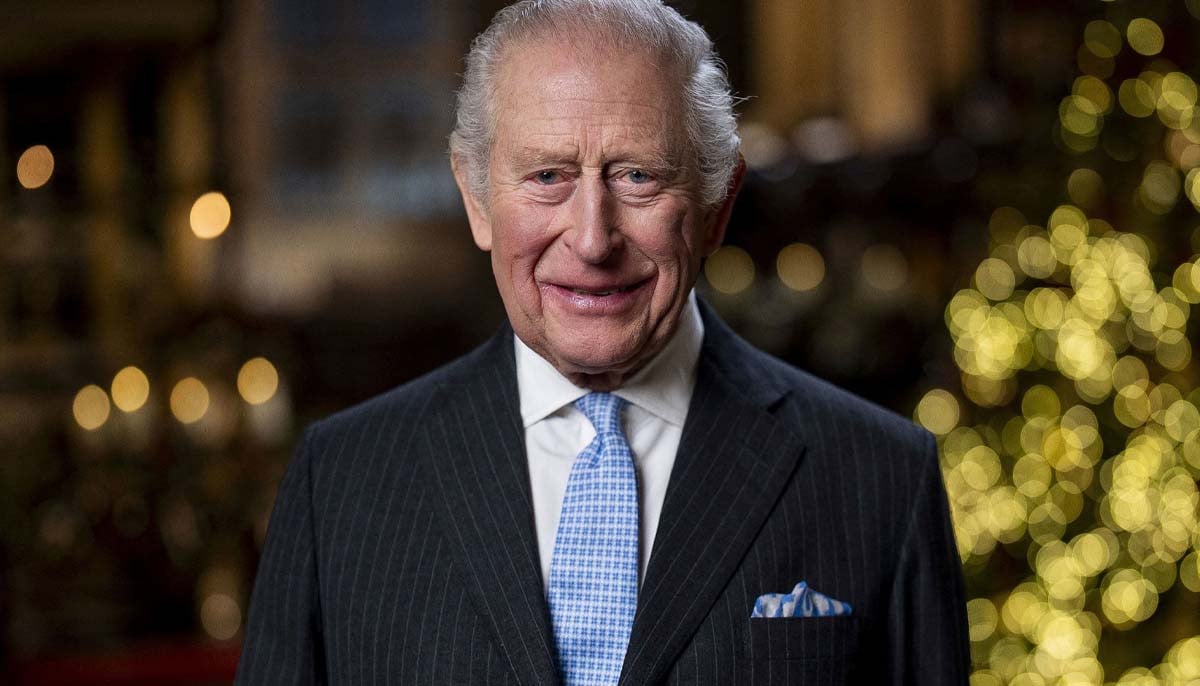
King Charles’ abdication vs natural end, mental decline and death come out
Questions about King Charles’ turn brutal as many question what is to happen
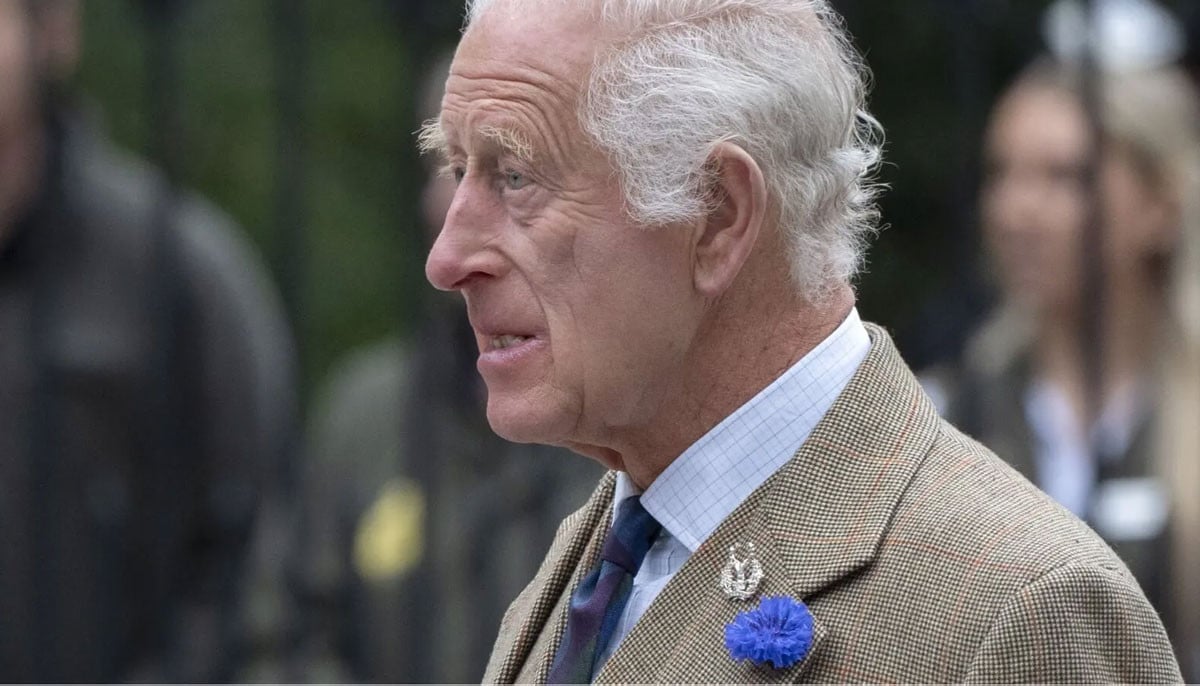
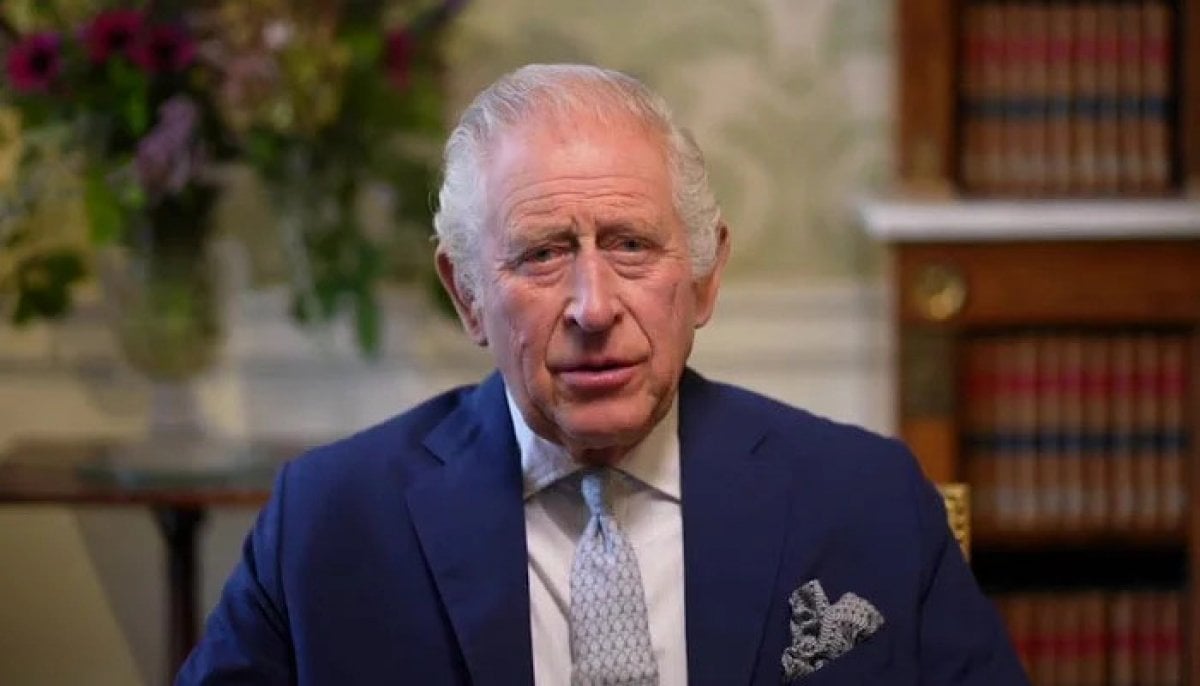
King Charles’ reign has seen questions about an abdication more and more lately. So much so that royal presenter Dan Wootton even discussed it with a panel on his YouTube account Dan Wootton Outspoken.
The conversation overwhelmingly featured the thoughts of historian and radio presenter David Starkey on the topic.
He started by comparing the King to his mother, the late Queen Elizabeth II who battled her own fight against cancer, in secret.
“There were rumors, and there were more than rumors, swirling around London for at least three years before she died, that she had cancer of the spine. Did we really want that publicly rehearsed? I think it's also very important that we look at her view,” he started by saying.
Especially since “she saw it as her job having sworn that oath as queen”, something she continued to the “bitter end,” Starkey added.
“I think she did it because she wanted to do it, because she believed in it. I think Charles possibly feels, I would argue, feels even stronger.”
This is why the historian hypothesized what he believes the King’s reign will look like and admitted, “My view is that he will, like his mother, he'll want to continue to the end and he will behave as he does.” With “the same stoicism of the queen,” but with “a sort there's an extraordinary eloquent sadness about them. And I find it very very moving.”
However, in terms of the entire conversation of an abdication he clapped back by asking, “what do we what do we gain from it?”
Reason being “that the king clearly is pacing himself. He shows no signs of mental decline” and “we can only speculate. But I think he will drain the glass as he wishes and as he wills and I suppose as he would say as God wills. There is no reason whatever [to abdicate].”
Even before signing off he added, “he is perfectly capable, in good mental health of discharging the formal duties of sovereign and he continues to do it with dignity. It is a kind of act of a reign that was so long wished for and hoped for so quickly abbreviated. I think let it find its natural end.”


-
 Prince Harry and Meghan Markle respond to major Meta and YouTube ruling
 -
 ‘Progressive’ Kate Middleton snubs outdated Royal etiquette
 -
 Meghan Markle is above Royal Family ‘empty threats,’ says insider
 -
 Shamed Andrew should testify in Epstein case as ‘act of service’
 -
 Sarah Ferguson branded ‘most famous missing person’ in UK right now
 -
 Why King Charles does not need a driving license? Expert reveals
 -
 ‘Polite’ King Charles treats staff better than ‘boorish’ Andrew
 -
 Princess Beatrice's husband raises eyebrows with deleted Instagram post