Experts warn ultra-processed foods linked to obesity, diabetes, heart diseases
Health experts are criticizing food manufacturers for massive profits from sales of unhealthy processed foods

Experts warn that Ultra-Processed Foods (UPFs) consumed worldwide are dangerous, as they have adverse health effects.
The world’s most extensive study review, published in the leading medical journal The Lancet, warns that consumption of UPF poses a seismic threat to global health and well-being.
Consuming UPFs in the diet is associated with an increased risk of a dozen health conditions.
Study finds that UPFs harm every central organ system of the human body, mainly leading to obesity, diabetes, heart disease, and even depression.
Medical experts are criticizing food manufacturers for massive profits from the sales of unhealthy processed foods.
According to research published in The Lancet, more than 50% of the $2.9 trillion paid to shareholders by food corporations between 1962 and 2021 “was distributed by UPF manufacturers alone.”
The authors of the study find that "UPF is a leading cause of the 'chronic disease pandemic' linked to diet, with food companies putting profit above everything else."
The sharp rise in UPFs' intake worldwide is being spurred by profit-driven corporations using a range of aggressive tactics to drive consumption, skew scientific debate, and prevent regulation, the review of evidence suggests.
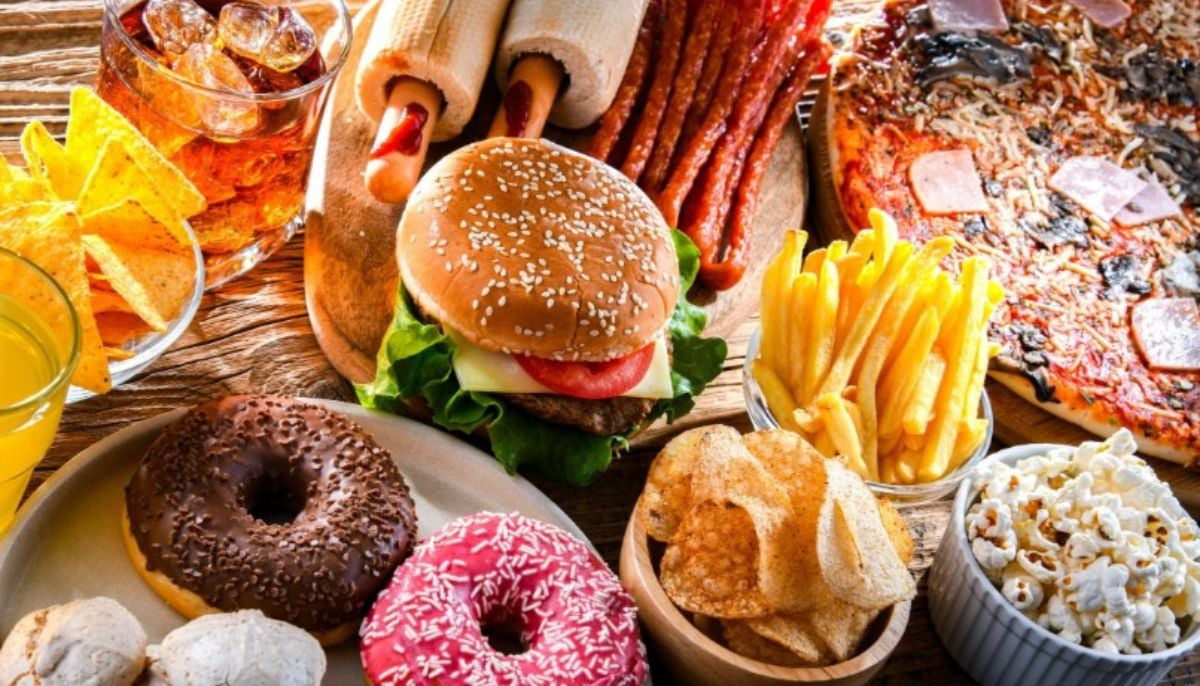
The findings from a series of three papers published in The Lancet underline that millions of people increasingly consume UPFs such as ready-to-eat meals, cereals, protein bars, fizzy drinks, and fast food.
A report published in The Guardian claimed that more than half of the average diet in the UK and the U.S. now consists of UPFs.
Prof Carlos Monteiro, author of the Lancet series and professor of public health nutrition at the University of São Paulo, said the findings highlight the importance and the need for urgent action to tackle UPF.
“The first paper in this Lancet series indicates that ultra-processed foods harm every major organ system in the human body. The evidence strongly suggests that humans are not biologically adapted to consume them.”
Evidence reviewed by 43 of the world's leading experts suggests that diets high in UPF are linked to overeating, poor nutritional quality and higher exposure to harmful chemicals and additives.
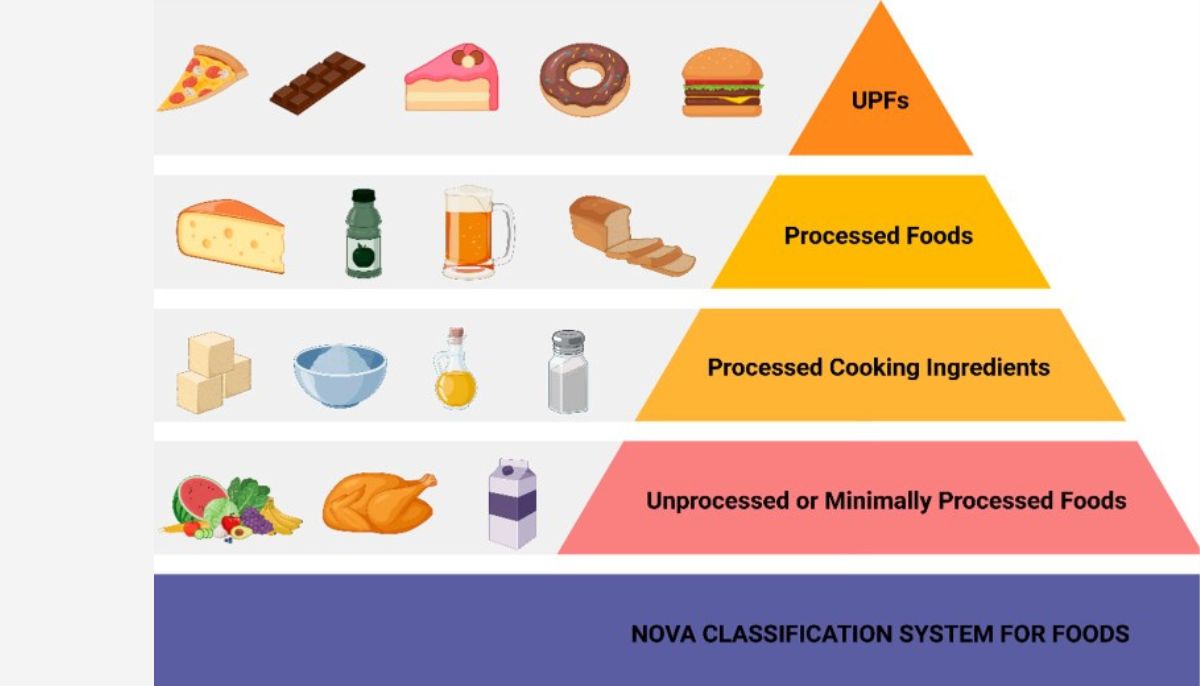
Lancet researchers in Brazil developed the Nova Classification System for foods.
It groups them by level of processing, ranging from one – unprocessed or minimally processed foods, such as whole fruits and vegetables – to ultra-processed products such as burgers, pizzas, and confectionery items.
This category comprises products that are industrially manufactured, often using artificial flavors, emulsifiers, and coloring.
They also include soft drinks and packaged snacks, and tend to be highly palatable, high in calories, but low in nutrients.
"These products are designed and marketed to displace fresh food and traditional meals, while maximizing corporate profits," Prof. Monteiro said.
Critics argue that UPF is an ill-defined category, and that existing health policies, such as those aimed at reducing sugar and salt consumption, are sufficient to address the threat.
Additionally, Lancet research papers highlighted the need for coordinated policies and advocacy to regulate all ultra-processed foods and to improve access to fresh and minimally processed foods.






-
 Elon Musk accused of lying about secret government UFO program
 -
 Taylor Swift, Travis Kelce set up giant wedding castle at MSG
 -
 Kendall Jenner throws family out after dating Jacob Elordi?
 -
 Jennifer Lopez regrets her divorce from Ben Affleck: 'What could I have done better?'
 -
 Was Shakira mentioned in Epstein files?
 -
 Thylane Blondeau: ‘Most Beautiful Girl in the World’ gets married
 -
 Taylor Sheridan criticizes Marvel Studios for breaking storytelling rules
 -
 Trump shares apparent AI image of large golden eagle on Truman Balcony ahead of America’s 250th anniversary
-
 Is US preparing 60,000-troop invasion of Iran? Viral Chinese professor makes explosive claim
 -
Elon Musk attacks Jeff Bezos’s ex-wife MacKenzie Scott, says her donations are ‘making the world a worse place’
-
Calgary under air quality alert as wildfire smoke blankets Alberta
-
Angelina Jolie still feels 'broken' years after Brad Pitt divorce