‘Transneuron’ breakthrough brings robots closer to human-like awareness
'Ultimately, this paves the way for more human-like robots'
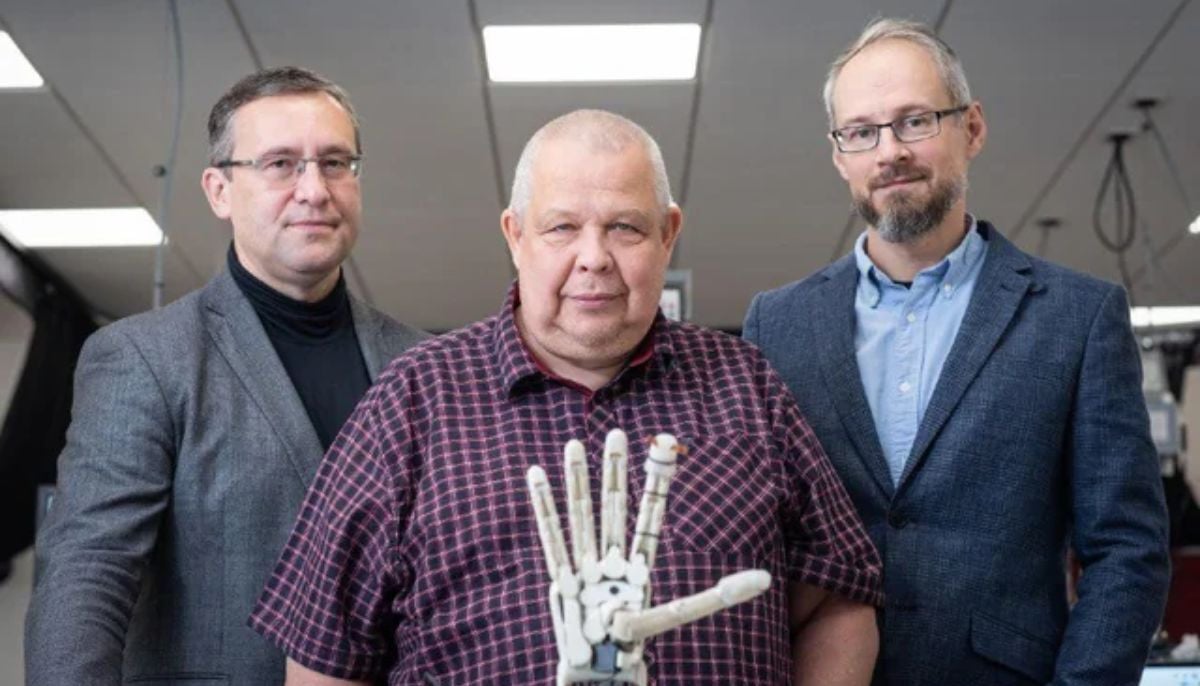
Scientists have developed a single artificial “transneuron” that can mimic activity from different regions of the brain, making a breakthrough in making robots equipped with human-like awareness.
The newly-developed transneuron is associated with different roles, switching between planning, movement, and vision. Having processed information through electrical pulses, it brings hardware closer to biological computation.
The team of researchers belonging to Loughborough University in collaboration with the Salk Institute and the University of Southern California, have built this device, capable of imitating real brain patterns and behaviour.
According to Professor Sergey Saveliev, the artificial neuron can properly copy visual, motor, and pre-motor behaviour, thereby opening avenues for next-gen chips that could be helpful in performing complex tasks.
“Ultimately, this paves the way for more human-like robots,” he added.
Professor Alexander Balanov of Loughborough said, “Our artificial neurons respond well to changes in the environment, like pressure and temperature.”
The next step of this innovation revolves around building networks of transneurons into a “cortex on a chip.” As per researchers’ observations, such networks could help the robots to become more-like humans and adapt in real time.


-
 Billy Corgan says he doesn't believe Marilyn Manson is guilty
 -
 Lady Gaga’s behind the scenes attitude revealed
 -
 The Weeknd unveils surprise new song during Hong Kong tour
 -
 Manhunt underway after prisoner Anthony Lloyd escapes Lewisham facility
 -
 Early in-person voting begins in key states, including Florida and Michigan
 -
 ‘Clayface’ targets box office crown and claims No. 1 spot
 -
 Tesla Roadster prototype goes on display at Petersen Museum
 -
 Kanye West official Jakarta concert after-party confirmed