‘Bluetoothing’: How alarming drug trend is driving global HIV surge
Bluetoothing practice is responsible for fueling HIV epidemics in Pacific and South Africa
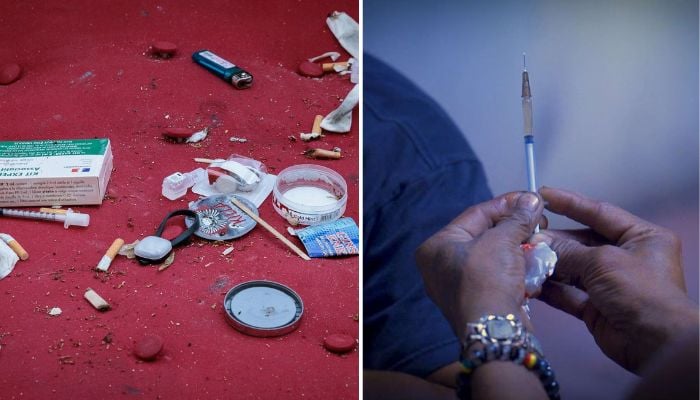
A growing dangerous drug trend, called bluetoothing, is contributing to a massive spike in HIV cases across the global hotspots, including Fiji and South Africa as per reports.
As reported by UNAIDS, globally more than 40 million people are suffering from HIV, leading to 600,000 deaths from AIDS-related deaths last year.
In 2024, around 1.3 million HIV cases have been reported.
Among all the countries, South Africa is the country reeling with the highest number of HIV cases.
What is bluetoothing?
Bluetoothing is defined as a dangerous blood-sharing practice in which drug-addicted people inject themselves with the blood of other drug users to get high.
According to experts, the life-threatening drug trend is more riskier than sharing used needles.
In poverty-stricken regions, such as Africa and Pacific Islands, it is popularly considered as a cheap way of getting high.
Fiji and South Africa have witnessed an increase in the usage of bluetoothing among abusers to satisfy their addiction.
The practice, also known as “flashblood” has been documented in South Africa, published in the journal PLOS One in 2023. As per study’s findings, 2 in 5 people who are injecting drugs, could use bluetoothing.
Early in 2010, such practice was also witnessed in Tanzania among heroin users.
Bluetoothing: A major driver in global HIV surge
According to the UN warning, the fatal practice could be associated with a nearly 10-fold increase in HIV cases in Fiji in decades between 2014 and 2024.
Eamonn Murphy, the UNAIDS Regional Director to Asia Pacific, dubbed the “bluetoothing” trend among Meth users in the region "extremely alarming”.
Fiji’s health minister Penioni Ravunawa last week raised concerns that by 2025 the country will record over 3000 new HIV cases as compared to times when the island only hosted fewer than 500 people with viral infection.
Mr. Zanoni called the practice “underexplored but super high-risk.”
A single drop of blood from an infected person could expose one to tens and thousands of particles.
Catherine Cook, the executive director of Harm Reduction International, said “It’s the perfect way of spreading H.I.V. It’s a wake-up call for health systems and governments — the speed with which you can end up with a massive spike of infection because of the efficiency of transmission.”


-
 'Harry Potter' star Bonnie Wright delivers second child at home
 -
 'Star Trek' actor Michael Forest dies at 97
 -
 TikTok bans 'Musk' documentary account
 -
 Kim Kardashian looks back on the 'calm before the storm' with Kanye West
 -
 Lamine Yamal’s stunning early strike gives Barcelona the lead over Betis
 -
 Miley Cyrus gets emotional during first major concert in years
 -
 US Capitol Police schedule routine training exercise for Sunday: What to know
 -
 Billy Crystal reveals physical challenge of returning to Broadway at 78
-
 50 Cent reveals why he stays politically neutral and turned down Trump's multimillion-dollar offers
 -
Reform mayor Luke Campbell faces police probe over nude photo claims
-
50 Cent honors Eminem on 57th birthday
-
Elon Musk to share key message on solving US national debt in ‘The Builders with Walter Isaacson’ podcast soon